Used Washing Machine Near Me: A 2026 Buyer's Guide
Find reliable used washing machines near you with practical tips to inspect, compare, and buy safely in 2026. Learn how to evaluate condition, test performance, and avoid scams with Best Washing Machine.


Used washing machines near you can offer significant savings when you know what to check. The Best Washing Machine analysis shows reliable models can be found at a wide price range, with careful inspection boosting long-term value. This guide helps you locate vetted options, compare energy use, and avoid common scams.
Why used washing machines near me makes sense
Searching for a used washing machine near you often yields substantial savings without sacrificing essential features. The Best Washing Machine team has observed that many buyers can find reliable, well-maintained units through local outlets, neighborhood repair shops, and reputable online listings. A used washer can still offer modern cycles, good capacity, and efficient performance when you focus on core condition checks and provenance. In 2026, demand for used models remains strong among homeowners, renters, and small-business operators who value cost-conscious decisions. By approaching the search with a clear checklist and a realistic budget, you can locate a machine that fits your daily routines while avoiding common pitfalls. Remember to verify the seller’s history and confirm that the unit has been tested for leak-free operation and consistent spin quality. This approach aligns with Best Washing Machine’s guidelines for prudent, data-informed purchases.
How to assess physical condition before purchase
Before purchasing a used washer, perform a systematic inspection to avoid post-purchase surprises. Start with the exterior: look for deep dents, rust, or warped panels that signal prior abuse. Open the lid and drum hatch to inspect the tub for scratches, mold, or looseness. Check the door seal for cracks and signs of wear. Examine hoses and inlet connections for cracks or bulges. Listen for unusual noises during a gentle spin and drain cycle. If possible, run a test cycle with towels or a small load to observe agitation, balance, and spinning performance. Probe the control panel for erratic responses. Finally, ask the seller for maintenance records, recent repairs, and whether the unit received professional servicing. This meticulous approach helps ensure you’re buying a durable machine rather than a cosmetic asset.
Where to search locally and how to vet sellers
Locating used washing machines near you involves a mix of traditional and online channels. Start with local appliance retailers that sell refurbished stock, independent repair shops that have certified consignment units, and community marketplaces with seller ratings. When evaluating sellers, check for transparent histories: clear listing photos, serial numbers, and knowledge of service history. Vet sellers by requesting a demonstration, confirming return policies, and verifying that the unit was tested by a technician. For online marketplaces, look for verified listings, seller reviews, and escrow-backed payments. Avoid listings with missing details, excessive urgency, or negotiable up-front deposits without a clear warranty. A careful sourcing strategy can minimize risk and improve the odds of a fair, functioning appliance.
Energy efficiency and compatibility considerations
Even used machines can offer energy-efficient features if you know what to look for. Seek models with compact energy cups and load sensing, as these can reduce water and electricity usage per cycle. Compare drum sizes to ensure you’re not overloading appliances in smaller spaces, and verify compatibility with your existing plumbing and power supply. If the model has a digital display, confirm that it responds reliably and that cycle options align with your laundry needs. ETFs and energy labels vary by region, but general efficiency improvements often translate to lower operating costs over the machine’s remaining life. Always ask for the model number and cross-check energy ratings with your local energy guidance resources.
Negotiation, warranties, and post-purchase support
Price negotiation is common with used washers, but it should be anchored in condition and included assurances. If you can, request a short-term warranty or a certified pre-owned tag that covers major components, such as the motor and transmission, for at least 30–90 days. Clarify return policies, service availability, and whether the seller offers installation or delivery. After purchase, perform a proper setup: level the machine, connect hoses securely, and run a test cycle to confirm leak-free operation. Keep maintenance receipts and schedule periodic checkups to maintain performance. A little due diligence upfront saves headaches later and aligns with Best Washing Machine’s emphasis on responsible buying practices.
Practical testing steps you can perform in-store or at home
When testing in-store or at home, follow a concise, repeatable procedure: 1) Run a short wash cycle with cold water to assess agitation, spinning, and noise; 2) Check for leaks around hoses and seals after the cycle; 3) Inspect the door latch and drum for alignment and balance; 4) Listen for unusual grinding or squeaking sounds; 5) Confirm ease of using basic cycles and settings; 6) Verify water intake and drainage reliability. If possible, test both warm and cold cycles and confirm there are no error codes on the display. Document results and compare with similar models you’ve evaluated. This hands-on approach enables you to buy with confidence.
Maintenance tips after purchase and common setup pitfalls
After bringing a used washer home, perform a comprehensive setup and maintenance routine. Level the appliance on a flat surface, reconnect hoses securely, and run an empty cycle to clean the drum. Replace any worn hoses and inspect inlet filters for debris. Establish a regular lint and detergent usage routine, avoiding overloads that stress the motor. Schedule periodic inspections for seals and gaskets, and keep the area around the unit dry to prevent mold growth. A small investment in upkeep extends the machine’s life and maximizes your return on investment. Following these steps can reduce breakages and ensure smoother operation over time.
Representative data points for used washing machines locally
| Aspect | Description | Typical Range |
|---|---|---|
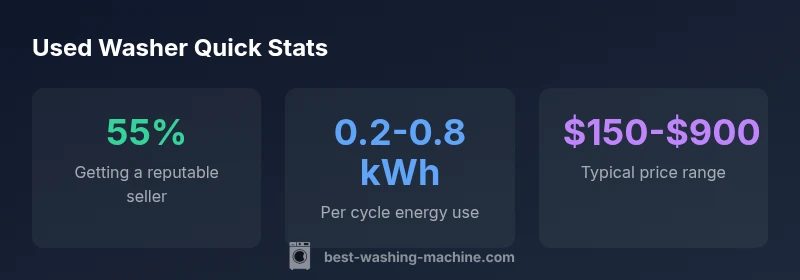
| Used washer price | $150-$900 | Price varies by model, capacity, and condition |
| Energy use per cycle | 0.2-0.8 kWh | Depends on model and efficiency |
| Lifespan (used) | 5-12 years | Condition-dependent |
| Delivery/installation cost | $20-$100 | Varies by seller and location |
FAQ
What should I check before buying a used washing machine near me?
Inspect the drum, door seal, hoses, and belt for wear. Run a short cycle to test agitation, draining, and balance. Ask for maintenance records and verify there are no leaks.
Check the drum, seals, and hoses; run a test cycle and review maintenance records.
Are used washing machines with warranties worth it?
Yes, warranties provide protection against unexpected failures. Prefer sellers offering a limited warranty or certified pre-owned status with defined coverage.
Warranties provide protection; look for limited warranty on essential components.
How can I verify energy efficiency in a used model?
Look for the model number and energy rating or star label if available. Compare estimated energy use per cycle and ensure it matches your energy goals.
Check model details and energy use per cycle to compare efficiency.
Where is the best place to find used washing machines near me?
Local appliance shops, certified refurbishers, and reputable online marketplaces are good starts. Always vet sellers with photos, serial numbers, and reviews.
Start with reputable local shops and check reviews before buying.
What is a fair price for a used washer in 2026?
Prices vary by model and condition; compare listings for similar capacity and age, and factor in any needed repairs or parts.
Prices vary; compare similar models and consider condition and repairs.
“Buying a used washing machine is about balancing cost with verifiable condition and support. Always test, inspect, and ask for service history.”
The Essentials
- Shop locally to build trust with sellers
- Inspect core wear items before buying
- Compare energy use and capacity to fit your needs
- Ask for a short-term warranty or return policy
- Test run cycles to confirm performance