Best Washing Machine 10 kg: Comprehensive Buying Guide 2026
Explore a buying guide for a 10 kg washing machine, covering capacity, energy use, programs, and durability to help you pick the best model in 2026 today.


Choosing a washing machine with a 10 kg capacity strikes a balance between family-sized loads and compact spaces. A 10 kg washer handles typical weekly laundry for a family of 4, offers generous drum mass for bulky items, and generally delivers efficient cycles when paired with modern inverter motors. This guide helps you compare 10 kg models based on energy use, wash programs, and durability.
Why the 10 kg capacity matters for modern households
Bulky loads are not a nightly ritual for every home, but a 10 kg washing machine hits a sweet spot for mid-sized families and shared living spaces. This capacity handles a typical weekly wardrobe for a family of four with mixed fabrics—from cotton jeans to delicate synthetics—without requiring multiple cycles. It also accommodates bulky items like comforters and oversized towels in a single cycle, cutting total wash time. Across multiple models, the 10 kg class frequently balances tub mass with drum geometry to optimize agitation, rinse performance, and energy use. As the Best Washing Machine team notes in our 2026 analysis, real-world loads rarely fill the drum to its absolute maximum, so choosing a model with a robust but not oversized tub generally yields the best efficiency. In practice, a 10 kg washer can reduce trips to the laundromat and streamline weekly laundry chores for households of 4 or more while remaining space-conscious for most apartments and homes.
Core specs to compare in 10 kg washers
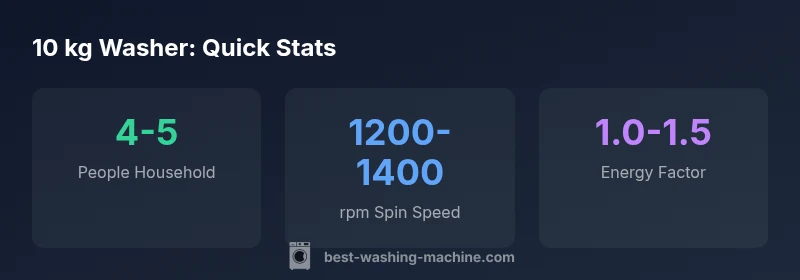
When you’re evaluating 10 kg machines, several specs determine everyday performance and long-term reliability. Start with the motor: a direct-drive or inverter motor typically provides smoother operation, quieter cycles, and better durability than older belt-driven designs. Spin speed matters for extraction; models labeled 1200–1400 rpm generally offer drier clothes at the end of a cycle, reducing dryer time and energy. Drum material affects longevity and fabric care; stainless steel tubs resist staining and buildup better than some plastics. Look for an energy efficiency rating (or ENERGY STAR if available), which is a good proxy for long-term operating costs. For programs, 10 kg models usually include at least normal, quick, heavy, and delicate cycles, with additional steam or allergen-elimination options in higher-end models. Finally, pay attention to load sensing, tub motion options, and maintenance features like self-cleaning cycles and accessible lint filters.
Front-load vs Top-load within the 10 kg class
Two major traditions compete in the 10 kg space: front-load and top-load designs. Front-load washers typically deliver better energy and water efficiency due to horizontal tumbling and efficient extraction; they also tend to produce gentler fabric handling and higher spin speeds, which shorten dryer times. Top-load machines with high-efficiency (HE) designs can be faster for everyday loads and easier to load for households with mobility concerns, though some top-load models still consume more water per cycle. In the 10 kg range, expect front-load units to excel in energy metrics and lint removal, while HE top-loads offer convenience and potentially lower upfront costs. Your choice should reflect space constraints, preferred wash programs, noise tolerance, and the laundry you do most often.
Energy efficiency and water use for 10 kg washers
Energy efficiency is a practical lens for judging long-term value. Inverter motors and modern electronics typically keep energy use in check even with heavy loads, but real-world figures vary by cycle length and soil level. Look for a machine with a low energy-per-cycle figure and a high soil-cleaning performance on standard programs. Water usage is another critical factor; front-load machines usually use less water per kilogram of clothing compared with traditional top-load designs, particularly on eco cycles. When possible, run full loads rather than partial loads, and enable load-sensing features to avoid wasted wash cycles. The interplay between temperature settings and cycle options can also shave energy costs over the machine’s lifetime.
Durability, build quality, and warranties
Durability often correlates with tub material, motor type, and the overall mechanical design. Stainless steel tubs, solid door hinges, and robust suspension systems contribute to long life, while high-quality bearings and vibration-damping mechanisms reduce the likelihood of wear from daily use. Warranties vary widely, with some brands offering 2–5 year coverage on major components and extended coverage for digital controls. Consumers should track service histories and keep manufacturer records for repairs, especially if the unit is installed in a high-use setting like a small laundromat or shared housing. As with all major purchases, read the warranty’s fine print for exclusions and parts coverage; a longer coverage period is often a proxy for higher build quality.
Real-world usage scenarios: families, renters, and light commercial settings
For families of four to six, a 10 kg machine can consolidate weekly loads into fewer cycles, reducing utility usage and wear on clothing. Renters in smaller apartments benefit from the space efficiency and the ability to handle bedding and towels without extra machines. In shared living spaces or small businesses like a boutique hotel or laundromat corner, 10 kg units can process medium batch sizes without repeated trips to the row of machines. In all cases, consider noise levels, vibration management, and ease of maintenance. The best models in this class balance performance with minimal disruption during quiet hours in an apartment or office setting.
Maintenance tips to extend the life of a 10 kg washer
Maintenance is a key lever for longevity. Regularly clean lint filters, check for unusual noises, and run a monthly cleaning cycle to prevent odors and buildup in the drum and hoses. Inspect hoses for signs of wear and replace per manufacturer recommendations, typically every 3–5 years, depending on water hardness and usage. Use appropriate detergents for front-load versus top-load models, avoiding high-foaming formulas that can cause excess suds and residue. If you notice a persistent error code or water leakage, consult the service manual or a qualified technician. Keeping the door seal dry, wiping the drum interior after cycles, and avoiding overloading the machine reduces stress on the suspension and bearings.
Budgeting for value: ownership costs and long-term savings
The initial price tag is only part of the value calculation. Consider energy and water costs over the machine’s lifetime, maintenance charges, and potential repair costs. A 10 kg unit with an efficient motor and good build quality can amortize higher upfront costs through lower monthly energy and water bills. When evaluating price, compare cost per cycle across models and the expected lifespan of core components such as the motor and the drum. If you plan to keep the machine for a decade, investing in a model with a solid warranty and service network can pay off in reliability and resale value.
Installation tips and common setup pitfalls
Install near a sturdy water supply outlet with proper drainage and a level floor. An uneven base can cause banging, vibration, and premature wear. Door clearance, accessible hookups, and space for venting (if required) should be measured before purchase. Some layouts require a dedicated circuit or reinforced outlets; verify electrical requirements and ensure the washer does not share a circuit with high-draw appliances. Finally, train household members on correct detergent amounts and load sizing to maximize efficiency and minimize repairs over time.
Comparison of 10 kg washing machine models
| Model Type | Capacity | Best For | Typical Cycle Length |
|---|---|---|---|
| Front-load | 10 kg | Large families | 60-90 min |
| Top-load HE | 10 kg | Single-family homes | 45-75 min |
FAQ
What does a 10 kg capacity really mean?
A 10 kg capacity refers to the drum's maximum load by weight. In practice, you’ll rarely load to the absolute maximum; use it as a guide to determine weekly laundry volume and item sizes.
A 10 kg drum means you can handle large washes, but it’s best to load close to capacity for efficiency.
Are 10 kg washers energy efficient?
Many 10 kg models use inverter motors and eco cycles to keep energy use reasonable even on heavy loads. Look for energy labels and cycle options that optimize energy per kilogram.
Yes, especially models with inverter motors and eco cycles.
Front-load or top-load in the 10 kg class?
Front-load units usually offer better water and energy efficiency, with higher spin speeds. Top-load HE models provide easier loading for some users but can consume more water.
Front-loads typically save water and energy; top-loads offer convenience.
How long will a 10 kg washer last?
Most 10 kg washers deliver reliable performance for about 10–12 years with proper maintenance, though real life varies by use, warranty, and service.
Expect about a decade of service with proper care.
What maintenance is essential?
Regular lint filter cleaning, periodic hose checks, and a monthly drum-cleaning cycle help prevent odors and wear. Address error codes promptly and keep seals dry.
Clean filters, inspect hoses, and run a monthly drum clean.
“A well-chosen 10 kg washer can balance performance, efficiency, and durability when matched to your load profile.”
The Essentials
- Choose a 10 kg model for bulk loads without crowding spaces
- Prioritize inverter motors and stainless steel drums for longevity
- Prefer full-load efficiency to minimize energy and water use
- Compare spin speeds to reduce dryer time
- Invest in a model with a strong warranty and service support