How to Use LG Washing Machines: A Practical Step-by-Step Guide
Learn how to operate LG washing machines safely and efficiently. This educational guide covers loading, cycle selection, detergent dosing, smart features, energy-saving tips, and maintenance for top results.


You can operate an LG washing machine by loading clothes, selecting a suitable cycle, adding the right amount of detergent, and pressing Start. Use cold or warm water for most loads, enable energy-saving features when possible, and consult the user manual for model-specific controls. This guide covers basic to advanced operations.
Why LG Washing Machines Use Intuitive Controls
LG washing machines are designed with users in mind. The control panel uses clear icons and both physical dials and touch screens that help you pick cycles quickly. In many models you’ll see a dial or a responsive UI, with built-in sensors that adjust wash time and water usage based on load size. This design reduces guesswork and helps you achieve clean results while saving energy. According to Best Washing Machine, LG's Direct Drive motors and sensor-based wash logic contribute to gentler handling of fabrics and more consistent performance across load types. For beginners, start with a default cycle like Normal or Everyday and review the load sign or auto-detect indicator to confirm settings before starting. Experienced users can explore specialty cycles for heavy soil, delicate fabrics, or quick washes. Understanding how to navigate the interface will reduce cycle errors and improve outcomes on every laundry day.
Preparing Your Laundry: Sorting, Loading, and Detergent Dosing
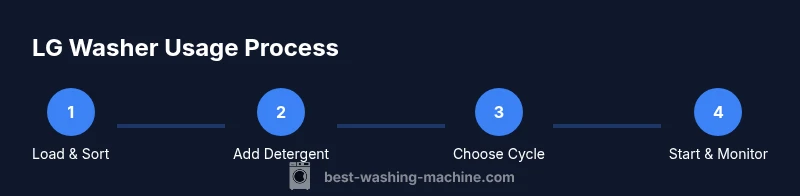
Before you start washing, sort clothes by color, fabric weight, and soil level. This prevents color transfer and minimizes fabric wear. Empty pockets, close zippers, and treat stains with a gentle pre-treatment as needed. When loading, distribute evenly around the drum to avoid unbalanced spins; in front-load machines, load in a loose cylinder; in top-load models, fill loosely to the recommended level. For detergent dosing, use High-Efficiency (HE) detergent and follow the packaging for the proper amount. Many LG models detect load size automatically and adjust water use accordingly. If you use fabric softener, place it in the designated compartment. Never mix detergents with additives not intended for the detergent drawer. After loading, wipe the door seal with a dry cloth to remove moisture and prevent odor buildup.
Cycle Selection: Match Loads to Cycles and Temperatures
LG machines offer a range of cycles: Normal, Heavy, Bedding, Delicates, Quick Wash, and Eco modes. Choose the cycle that matches load type and soil level. Temperature options range from cold to hot; for everyday loads, cold water saves energy and reduces color fading. Use the Eco or ColdWash options when available to minimize energy use while maintaining cleaning performance. For heavily soiled items, you may want a longer wash with extra agitation or a pre-wash option if available. Review the cycle's default settings and adjust spin speed if your laundry needs faster drying. Some models offer sensor-dry features to adapt drying time after washing as well.
Special Features: Smart Features, Energy Saving, and Maintenance
Many LG washers include smart features that connect to your home network for remote start, status alerts, and cycle history. If your model supports this, pair it with the LG app or Home app according to the manual. Energy-saving modes like Eco, load sensing, and optimized water use help lower utility bills. Regular maintenance extends the life of your machine: run a cleaning cycle monthly, leave the door ajar to air-dry between uses, and wipe the gasket to prevent mold. Clean the detergent drawer regularly to prevent residue buildup. If your machine has a filter or drain pump access, check and clean it as part of routine care.
Detergent, Water Temperature, and Safe Handling
Follow detergent packaging for dosage and dilution, using HE detergent for high-efficiency machines. Use cold or warm water for most loads to save energy; reserve hot water for heavy stains or certain fabrics if the manual permits. If you use fabric softener, add it to the softener compartment and avoid direct application to clothes. Never mix bleach with ammonia or other cleaners inside the drum. After a wash, wipe the door and seal dry; leave the door slightly open to prevent musty odors. For families with sensitive skin, consider fragrance-free detergents and consider a pre-wash for delicate fabrics.
Troubleshooting and Safety Tips for LG Washers
Most issues resolve with basic steps: ensure the machine is plugged in, the door is closed, and the water supply valves are open. If the drum won’t spin or drain, pause and inspect for an unbalanced load or a foreign object in the pump. Use the reset or power cycle method if the model supports it. Do not attempt repairs beyond basic troubleshooting; unplug the unit and contact service if problems persist. Always unplug before cleaning, and never reach into moving parts. Regularly inspect hoses for wear and replace them if you notice cracks or leaks.
Tools & Materials
- LG washing machine user manual(Keep for model-specific guidance)
- High-efficiency (HE) detergent(Use the correct type for front-load or top-load)
- Measuring cup for detergent(Accurate dosing helps performance)
- Liquid fabric softener (optional)(Place in designated compartment if used)
- Stain remover (optional)(Pre-treat tough stains before washing)
- Lint-free cloth(Wipe gasket and drum after use)
- Secure water hoses and adapters(Check connections before starting)
- Timer or stopwatch (optional)(Helpful for timing cycles)
- Fragrance-free detergent option (optional)(For sensitive skin)
- Screwdriver set (basic maintenance)(Only if you perform user-service tasks)
- Soft brush for lint and door seal(Keeps gasket clean)
- Vacuum with small hose attachment (optional)(Cleaner around the drain area)
Steps
Estimated time: 60-90 minutes
- 1
Check the manual and prep clothing
Read model-specific instructions from the user manual and inspect garments for loose objects. Empty pockets, zip up zippers, and treat stains as needed. This ensures you don’t damage fabrics or the machine. By starting with a known baseline, you avoid misloading and incorrect detergent dosing.
Tip: Always verify the drum capacity and load by model before starting. - 2
Load clothes evenly and avoid overloading
Place garments loosely around the drum to allow water and detergent to circulate. Overloading causes poor cleaning and increases wear on fabrics. In front-load machines, place clothes in a circular fashion; in top-load models, spread items evenly in a loose stack.
Tip: A good rule is to fill to about 80% of drum capacity. - 3
Add detergent and additives correctly
Measure detergent with the provided cup and add it to the appropriate drawer. If using fabric softener, pour into the designated compartment. For high-efficiency washers, use only enough detergent to cover the load size.
Tip: Avoid adding detergent directly to clothes; use the drawer for even distribution. - 4
Choose the cycle and temperature
Select a cycle that matches fabric type and soil level. Cold water saves energy for most loads, while hot water can help with heavy soils if the manual allows. Adjust spin speed if you need faster drying or gentler handling.
Tip: When in doubt, start with the Normal cycle on cold water for general laundry. - 5
Start the cycle and monitor progress
Press Start and observe the indicator lights or screen. If you notice an unbalanced load, pause, redistribute items, and resume. Don’t add items mid-cycle unless the model supports it.
Tip: Use the pause feature to rebalance without restarting fully. - 6
Handle delicates and special fabrics
For delicate items, choose a gentle cycle with lower spin. Use a mesh bag for small items and avoid heavy agitation. Some LG models offer a delicate preset with reduced drum movement and slower spin.
Tip: Always check garment care labels before washing delicate fabrics. - 7
Unload promptly and dry properly
Remove laundry as soon as the cycle ends to reduce wrinkles and odor. Leave the door ajar for a while to dry the drum and seal. If you use a dryer, transfer items promptly to prevent mildew.
Tip: Fold or hang clothes promptly to maintain appearance. - 8
Maintenance and periodic checks
Run a cleaning cycle monthly or as recommended by the manual. Wipe the gasket and door seal with a dry cloth, and clean the detergent drawer. Inspect hoses for wear and replace if you notice cracks or leaks.
Tip: Record maintenance dates to stay ahead of potential issues.
FAQ
What is the best cycle for everyday laundry on an LG washer?
For everyday laundry, start with Normal or Everyday cycles on cold water. These cycles balance cleaning performance with energy efficiency. Adjust based on fabric type and soil level, and consult the model's guide for any model-specific presets.
For daily laundry, use Normal on cold water. It gives a balance of cleaning and energy savings. Check your model’s guide for any special presets.
Can I use non-LG detergent in my LG washing machine?
Yes, you can use compatible high-efficiency detergents, but follow the detergent package directions and ensure it is HE. Using non-HE detergent or too much detergent can cause residue and excessive suds.
You can use HE detergents that are compatible with high-efficiency washers. Follow the package directions and avoid using too much detergent.
What should I do if the washer won’t start?
First ensure the door is firmly closed, the power supply is on, and the water valves are open. If still not starting, try a reset by unplugging for 1-2 minutes and plugging back in. If issues persist, contact service.
Check power, door, and valves. If it still won’t start, unplug for a minute, plug back in, and try again. Contact service if needed.
How often should I run a maintenance or cleaning cycle?
Run a cleaning cycle monthly or according to the manual. Wipe the gasket and detergent drawer regularly to prevent odors and residue buildup.
Run the cleaning cycle about once a month and wipe the door gasket and detergent drawer to keep things fresh.
Is it safe to use the LG app to control the washer from my phone?
If your model supports smart features, you can connect via the LG app to start cycles, get status updates, and review cycle history. Follow the on-screen prompts in your model's setup guide to pair devices.
Yes, many LG washers support app connectivity for remote start and status checks. Check your model’s manual to pair.
What should I do about odors coming from the drum?
Odors often come from moisture buildup. Run a maintenance cycle, leave the door open between uses, and clean the door seal and detergent drawer regularly. If odors persist, run an extended cleaning cycle with a mild cleaner.
To prevent odors, run maintenance cycles and leave the door ajar after use. Clean the seal and drawer regularly.
Watch Video
The Essentials
- Load evenly and avoid overloading the drum
- Match cycles to fabric and soil level
- Use HE detergent and follow dosing instructions
- Maintain the drum and door seal to prevent odors