How to Use LG Washing Machine: A Complete Step-by-Step Guide
Learn how to use LG washing machines with a thorough, step-by-step approach. From loading and cycle selection to smart features and maintenance, this guide helps you optimize performance for cleaner, safer laundry in 2026.


This quick guide shows you how to use LG washing machines correctly, covering setup, loading strategies, cycle selection, and maintenance. Whether you own a front-load or a top-load model, you’ll learn how to choose the right cycle, add detergent and softener properly, interpret the display, and use smart features safely. By following these steps, you’ll be able to run efficient, clean, and gentler laundry days with confidence.
Understanding LG washing machine interfaces
LG washing machines come in front-load and top-load configurations, each with a distinct control panel. In this section, we break down the keys you’ll interact with: the display, cycle selector, temperature and spin dials, and any smart features. If you’re looking for a quick answer to how to use lg washing machine, you’ll find it in the
Preparing for wash day: loading, detergent, and settings
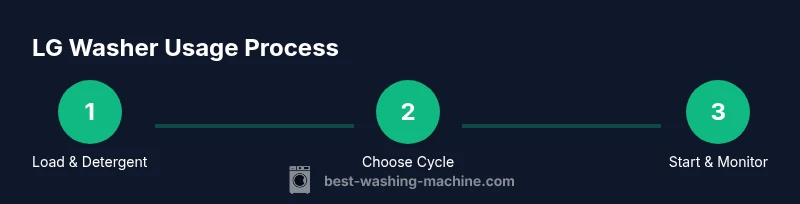
Before you start, identify the type of fabric and soil level to choose the appropriate cycle. Load clothes evenly, distributing weight to prevent unbalanced spins. Heavier items should go toward the drum with lighter items around them. Use a high-efficiency (HE) detergent and measure according to the load size and dispenser guidelines. If your LG model has a built-in measuring cap or a cartridge, follow the marks on the dispenser. For many families, the goal is consistency: consistent detergent dosing, consistent load distribution, and consistent water temperature settings. This reduces residue on fabrics and keeps the drum fresh. According to Best Washing Machine, proper detergent type and correct loading are among the simplest ways to unlock peak performance.
Choosing cycles and options
LG washers provide a spectrum of cycles such as Normal, Cotton, Mix/Allergen, Heavy, Delicates, and Quick. Start with the cycle that matches your fabric type, then tailor the settings: soil level, water temperature, spin speed, and any pre-wash options. For stained or bulky items, you might adjust the soil level to heavy and extend the cycle. If the garment care label allows, you can enable energy-saving features or a Steam option for deeper cleaning. When in doubt, use the Basic/Cottons cycle for everyday loads and reserve specialty cycles for specific fabrics. Remember that some LG models offer adaptive or smart cycles that adjust wash duration based on load size and soil detected by sensors.
Using smart features and connectivity
Many LG washers include SmartThinQ or companion apps that let you start cycles remotely, monitor progress, or get maintenance tips. Connect the washer to your home network, then use the app to check cycle status, receive alerts, or run diagnostic checks. If you’re new to smart features, start with a simple remote start on a low-stakes load to familiarize yourself with notifications and cycle timing. Keep in mind that initial setup may require updating firmware. Smart features can optimize performance, but basic manual operation remains effective for most daily needs.
Handling special loads: blankets, delicates, and bulky items
Special items require careful loading. Delicates benefit from shorter cycles and lower spin speeds, while bulky items like comforters should be balanced with some room in the drum to avoid unbalanced spins. For blankets, use a larger load if the machine supports it and avoid overpacking. Delicate fabrics should be placed in mesh bags if available, and you may use a shorter or gentler cycle. If you’re unsure about fabric compatibility, consult the garment care label and start with a test item on a gentle setting. LG machines often have a dedicated Delicates cycle or a Hand Wash option for such items.
Maintenance and care to extend life
Keep the door seals clean and dry after each use to prevent mold and mildew. Wipe the drum and gasket with a soft, damp cloth weekly. Clean the lint filter or pump filter (if accessible) every month or as recommended by your model’s manual. Run an empty hot-water-clean cycle or a maintenance wash with a dishwasher-safe cleaning tablet or a washing machine cleaner every 1-2 months, depending on usage. Avoid leaving water standing in hoses and check for visible leaks around connections. Regular care preserves efficiency and prevents odor buildup.
Troubleshooting common issues
If your LG washer isn’t draining, check the drain hose for kinks or blockages and verify the pump is running during cycles. If clothes come out not fully rinsed, you may need to adjust rinse cycles or increase rinse time. When a fault code appears, consult the manual or the LG support app for specific meanings and recommended actions. For noise or vibration, ensure the unit sits level and that you aren’t overloading the drum. A little preventive testing and cleaning goes a long way toward avoiding costly repairs.
Energy efficiency tips for LG washers
To maximize efficiency, load full but not overloaded, select appropriate soil levels, and use the appropriate water temperature for the fabric type. When possible, choose Eco or Energy Saver modes and avoid long, hot cycles on small or lightly soiled loads. Regular drum cleaning and seal maintenance also help maintain energy efficiency by preventing extra cycles caused by misreads or buildup. Sedentary cycles drain less power than constantly running cycles, and doing laundry during off-peak hours can yield additional benefits depending on your utility plan.
Safety considerations and best practices
Always unplug the washer before performing any internal maintenance or filter cleaning. Do not reach into the drum while it is spinning, and keep pets and children away from the unit during operation. Ensure that the electrical outlet and water connections are secure and free from damage. If you notice persistent leaks, unusual noises, or error codes, contact LG support promptly to prevent further damage. Proper spacing around the unit ensures adequate ventilation and reduces overheating risk.
After the cycle: unloading, drying, and fabric care
Promptly remove clothes to minimize wrinkles and prevent odor buildup. Shake items to reduce tangling, then promptly move to a dryer or line-dry as appropriate. If you use a dryer, adjust dryer settings to match fabric types to minimize heat damage. Finally, remove any remaining lint from the filter area and leave the door or lid open for a short period to evaporate residual moisture. Regular post-cycle care helps fabrics stay vibrant and reduces the need for re-washing.
Authority sources
For further reading and authoritative guidance on best practices, consider these sources:
- https://www.energy.gov
- https://www.energystar.gov
- https://www.consumerreports.org
Tools & Materials
- Power outlet (grounded, 3-prong)(Ensure the outlet is properly grounded and not controlled by a switch during operation.)
- Detergent (HE/high-efficiency)(Use the correct type and amount per the load size and dispenser guidelines.)
- Measuring cup or cap(Measure detergent accurately to avoid residue and over-sudsing.)
- Fabric softener (optional)(Use only if your dispenser is designed for softener and follow directions.)
- Lint-free cloth(Keep door seals dry and clean to prevent mold.)
Steps
Estimated time: 30-60 minutes
- 1
Power on and set up
Plug in the washer and power it on. If your model supports language or accessibility options, set them now for easier use. Review the display to ensure you understand the current mode.
Tip: Starting with the basic defaults helps you learn the controls before customizing settings. - 2
Load clothes evenly
Open the door or lid and load items, distributing weight evenly around the drum. Place heavier items first and fill only up to the recommended capacity. Close the door securely before proceeding.
Tip: Avoid packing tightly; a loose load cleans more effectively and reduces wear. - 3
Add detergent and softener
Pour detergent into the correct dispenser or drum based on your model. If using softener, add it to the designated compartment. Do not exceed the marked fill lines.
Tip: Use HE detergent to prevent over-sudsing and residue on fabrics. - 4
Choose the cycle
Select a cycle appropriate for the load: Normal/Cottons for daily attire, Delicates for knit fabrics, or Heavy for towels and bedding. Adjust soil level if available.
Tip: If unsure, start with a standard cycle and adapt in future loads as needed. - 5
Set temperature and spin
Choose water temperature that matches fabric care labels. Set spin speed to high for sturdy items or low for delicate fabrics. If available, enable eco or energy-saving settings.
Tip: Cold cycles save energy and protect colors; use warm for moderately soiled whites only if needed. - 6
Enable extras (if needed)
Turn on any optional features like pre-wash, steam, or extra rinse based on load requirements. Remember that extra features extend cycle time.
Tip: Use steam on heavily soiled items only when recommended by the garment label. - 7
Start the wash
Press Start or confirm the cycle to begin. Listen for any unusual sounds and ensure the door stays closed during operation.
Tip: If the machine stops, review error codes via the display or app for quick guidance. - 8
Monitor progress
During the cycle, you can check the remaining time and progress. If the load seems imbalanced, pause briefly to redistribute.
Tip: A balanced load reduces vibration and prolongs motor life. - 9
End of cycle care
When the cycle ends, promptly remove clothes to minimize wrinkles and move items to a dryer or line-dry as appropriate.
Tip: Shake garments to reduce clumping and wrinkles before drying. - 10
Maintenance after use
Wipe the gasket and door area, leave the door ajar to air dry, and run a maintenance cleanse if your model supports it.
Tip: Regular maintenance prevents mold and odor buildup in the drum and seals. - 11
Monthly care and safety
Inspect hoses for wear, clean filters as applicable, and ensure the unit is level. Disconnect if you suspect a leak or unusual noise and contact support.
Tip: Schedule a quick monthly check to avoid unexpected breakdowns.
FAQ
How do I know which LG cycle to use for different fabrics?
Start with the cycle described on the garment label or the basic Cotton/Normal setting for everyday fabrics. For delicates, choose Delicates or a Gentle cycle, and for heavy items, use Heavy or Bedding. You can adjust soil level and temperature to tailor the wash.
Choose the cycle based on fabric type; delicates stay in a gentle cycle, heavy items get a robust cycle, and cottons use the standard setting.
Why is my LG washer not draining properly?
Check the drain hose for kinks or blockages and ensure the drain pump is functioning. If the error code indicates a drainage issue, refer to the manual or app for specific steps. A clogged filter or pump can prevent complete drainage.
Inspect the drain hose, pump, and filters. If there's an error code, consult the manual or LG support.
Can I mix fabrics in a single load?
Yes, but only if fabrics share similar care needs and tolerances. Keep heavy items separate from delicate fabrics when possible to prevent damage and achieve even cleaning.
Mix fabrics only if care needs align; otherwise separate heavy from delicate items.
How do I clean the LG washing machine drum?
Run a maintenance wash with hot water and a cleaner or a small amount of washing machine cleaner every month or per the manual. Wipe the gasket and door seals after each use to prevent mildew.
Do a monthly maintenance wash and wipe seals to keep the drum fresh.
What does the steam option do for clothes?
Steam cycles help loosen dirt and reduce wrinkles for certain fabrics. They may extend cycle times but can improve results for heavily wrinkled garments.
Steam cycles loosen dirt and help with wrinkles; use as recommended for your fabrics.
Is it safe to use LG washers during a power outage or surge?
Avoid running a washer during a power surge or outage. If a surge occurs, unplug the unit and wait for utilities to stabilize before resuming use.
Don’t run during a surge; unplug and wait until power is stable before using again.
Watch Video
The Essentials
- Load clothes evenly to prevent imbalance.
- Choose cycles aligned with fabric type and soil level.
- Use HE detergent and the correct amount each time.
- Explore smart features to optimize cycles, but rely on manual basics as needed.
- Perform regular maintenance to extend the life of your LG washer.