Plumber for Washing Machine Installation: A Practical Guide
Learn when to hire a plumber for washing machine installation, what they handle, and how to choose a qualified pro. This guide from Best Washing Machine covers safety, code compliance, and preparation for a professional install.


You can hire a plumber for washing machine installation to ensure water, drain, and electrical connections are safe, code-compliant, and leak-free. A licensed professional handles hookups, permits, and troubleshooting that may arise when space is tight or pipes are complex. If your setup includes gas lines or an unusual drain, a plumber is especially recommended. This guide explains when to hire, what to expect, and how to choose the right pro. According to Best Washing Machine analysis, professional installation improves reliability and safety.
Is a plumber necessary for washing machine installation?
In most homes, electric washers with standard hoses can be connected by a careful DIY approach, particularly when the space is open, the water supply lines are accessible, and you have basic plumbing knowledge. However, the decision to hire a plumber depends on several factors: the complexity of your plumbing, the availability of a dedicated laundry outlet, and the presence of gas lines or old piping that may require up-to-code work. The phrase plumber for washing machine installation often means more than simply connecting hoses; a licensed professional will ensure that shut-off valves, supply lines, and drainage are properly sized, sealed, and tested. According to Best Washing Machine, professional installation reduces the likelihood of leaks and ensures compliance with local codes. If you are unsure about any step, or if your home has a nonstandard plumbing layout, it is wise to consult a pro.
When to hire a plumber vs. DIY: key indicators
Consider hiring a plumber if you encounter any gas lines, hard water lines, multi-outlet branches, outdated piping, or if the washer location requires moving the main water supply or reconfiguring drainage. Additional indicators include a lack of a nearby GFCI outlet or electrical outlet that meets code, a tight space behind the washer that makes connections difficult, or if the drain height is not compatible with the machine standpipe. If the home uses an older main line, or you notice persistent leaks during preliminary checks, a pro can assess and correct the root cause rather than patching symptoms. Best Washing Machine analysis notes that complex or unfamiliar installs benefit from licensed professionals who understand local codes and permit requirements.
What a licensed plumber brings to the project
A licensed plumber brings formal training, liability insurance, and familiarity with appliance connections. They understand local plumbing codes, permit processes, and best practices for preventing leaks. A pro can handle mixed materials such as copper, PEX, or threaded steel, and they can advise on optimal standpipe height and venting when needed. For gas dryers that share a vent or for homes with propane, a plumber ensures safe integration with the gas line and shutdown valve. The goal is a durable, code-compliant installation that minimizes future service calls. The Best Washing Machine team notes that professional installation improves reliability and safety, particularly in challenging layouts.
Before you call: space, measurements, and compatibility
Measure the washer space carefully: width, depth, and height; check for clearance around the back and sides; verify that the electrical outlet type matches the machine's plug. Confirm water supply lines are accessible and that shut-off valves can be reached without moving furniture. Confirm drain routing, including standpipe height and distance to the drain. If you have a restrictive laundry area, note the door swing and the path to the laundry box. Having these details ready helps the plumber quote accurately and reduces delays on installation day.
Steps a plumber will typically handle during installation
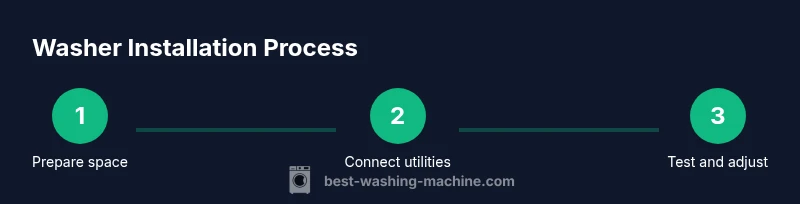
During a professional installation, the plumber will typically assess access, disconnect and cap old lines if replacing; connect new supply hoses with approved fittings and thread sealant or tape; connect the drain hose to the standpipe and test for leaks; verify electrical connection and GFCI protection; ensure the machine is level and stable; run a test cycle to check for proper draining and spin balance. This overview highlights tasks you may expect to be covered and helps you understand the sequence and rationale behind each action.
Potential challenges and how pros avoid them
Common challenges include tight spaces behind the machine, nonstandard drain heights, corroded shutoff valves, or mismatched hose sizes. Pros address these with flexible hoses, adjustable drain adapters, upgrading valves, and accurate torque to prevent leaks. They will also verify that electrical supply and grounding meet code and that water is fully off before disconnecting lines.
Safety, permits, and code considerations
Electrical safety is a priority when commissioning a washer installation. A pro ensures GFCI protection, proper grounding, and correct circuit capacity. If your project requires a permit or a formal inspection, the plumber can handle the paperwork and scheduling. Additionally, they will confirm that drainage and venting align with local codes and building regulations to prevent future liability or water damage.
Cost considerations and how to compare quotes
Prices for plumber installation vary by region and the complexity of the job. Expect higher costs if gas connections, nonstandard drains, or relocation of the washer are needed. To avoid surprises, ask for a written scope of work, itemized parts, labor rates, and a clear warranty on workmanship. Always request multiple quotes and verify licensing, insurance, and references to ensure you are choosing a qualified professional.
Authoritative sources
For safety and compliance guidelines, refer to these authoritative sources:
- https://www.cpsc.gov/
- https://www.osha.gov/
- https://www.energy.gov/energysaver/appliances/washers-and-dryers
Tools & Materials
- adjustable wrench(to tighten hose fittings and valve nuts)
- screwdriver set(Phillips and flathead for panels and screws)
- pliers(grip hoses and clamps without slipping)
- bucket(catch spills during disconnections)
- level(ensure washer sits evenly to prevent movement)
- Teflon tape(seal threaded hose connections)
- new washer supply hoses(avoid using old hoses, inspect for wear)
- drain hose extension or adapter(use if standpipe height differs from hose)
- non-contact voltage tester(safely verify power at outlets)
- flashlight(inspect behind the machine and under cabinets)
Steps
Estimated time: 60-120 minutes
- 1
Prepare safety and space
Unplug the washer and shut off both the hot and cold water valves. Clear the area, remove obstacles, and inspect access to the electrical outlet and drainage. This reduces surprises during installation and protects against water and electrical hazards.
Tip: Have the machine unplugged and water valves fully closed before touching any fittings. - 2
Disconnect existing connections if replacing
Carefully disconnect old hoses and drain lines. Place a bucket to catch any residual water and cap the lines to prevent leaks as you work. This step minimizes mess and prepares for a clean install.
Tip: Label hoses if you are keeping the same water lines to avoid mix-ups. - 3
Position and level the washer
Move the appliance into place and adjust the feet until the unit sits level from side to side and front to back. A level machine prevents vibration and protects the floor and drum during operation.
Tip: Use a bubble level and fine-tune each foot slowly for stability. - 4
Attach water supply hoses
Hand-tighten the new hoses onto the washer and the shut-off valves, then give a quarter-turn with a wrench. Apply Teflon tape if required by your fittings and check for any cross-threading or kinks in the hoses.
Tip: Do not overtighten which can crack fittings; snug is enough. - 5
Connect the drain hose
Insert the drain hose into the standpipe or drain box at the appropriate height and secure it. Ensure there are no kinks and that the hose has a gentle slope toward the drain.
Tip: Avoid using zip ties to trap the hose where it could kink. - 6
Check electrical and containment
Plug in the washer to a properly grounded outlet. Make sure the cord is not pinched and that the outlet is GFCI protected if required by code.
Tip: Keep the area dry; use a dry rag to wipe any moisture before plugging in. - 7
Run a test cycle
Run a short wash cycle with no clothes to verify water inflow, drainage, and spin. Look for leaks around fittings and connections and re-tighten as needed.
Tip: Record any observed leaks and address them before a full load test. - 8
Finalize and document
Level checks, hose condition review, and clean-up complete the process. Save receipts, warranty cards, and notes about any unusual steps for future service.
Tip: Take photos of the final setup for your records.
FAQ
Do I really need a plumber for washing machine installation?
Not always. Simple electric washers with standard hookups can be installed by a careful homeowner, but gas lines, complex drainage, or tight spaces benefit from a licensed plumber. A pro reduces leaks and ensures code compliance.
You may not need a plumber for a basic electric washer, but for gas lines or complex drainage, hire a licensed professional.
What qualifications should I look for in a plumber for washer installation?
Look for a licensed and insured plumber with appliance installation experience. Ask for references, check local reviews, and verify they understand local codes and permit requirements.
Make sure the plumber is licensed, insured, and has appliance installation experience.
How long does installation typically take?
A standard installation usually takes about 1 to 3 hours, depending on space, piping, and electrical readiness. More complex setups can take longer.
Most installations take one to a few hours depending on complexity.
Can I install a washer myself without a plumber?
Yes for straightforward electric models with standard connections. If you have gas, unusual drains, or tight spaces, a pro is safer and more reliable.
You can DIY a simple install, but call a pro for gas lines or complex plumbing.
What should I expect to pay for plumber installation?
Prices vary by region and job complexity. Expect higher costs for gas connections or moving the washer. Get written quotes and confirm what’s included.
Costs vary; get multiple quotes and ask what’s included in the price.
Are there safety concerns I should address before installation?
Ensure power is off during connections, verify grounding, and confirm water shut-offs are accessible. A pro will handle electrical and plumbing safety to minimize risk.
Turn off power and water during setup; let a pro handle safety checks.
Watch Video
The Essentials
- Assess space and supply before hiring a pro.
- Hire licensed plumbers for gas or nonstandard drains.
- Get multiple quotes and verify licensing.
- Prepare the area to speed installation.
- Safety and code compliance protect your investment.