Washing Machine Installation Cost: A 2026 Guide
Estimate washing machine installation cost with labor, permits, and venting. Learn factors, realistic ranges, and tips to budget and compare quotes for a smooth setup.


Washing machine installation typically costs between $150 and $450 in most US markets, with higher-end setups and gas hookups reaching up to $600. Labor and basic hookups usually account for most of the expense, while permits, vent adjustments, and electrical upgrades push the total higher. Regional variation and contractor pricing mean your exact cost may fall outside this range.
What goes into the price
Washing machine installation cost isn't a single fee; it's the sum of several discrete components. The largest share typically goes to labor—the actual time a technician spends unboxing, leveling, connecting hoses, and testing cycles. Materials such as shutoff valves, connector kits, anti-vibration pads, or specialized hoses can add a modest line item. In many homes, the existing hookups (water supply, drain, electrical outlet, and, if applicable, vent) are already in place, which keeps labor costs lower. When any of these elements are missing or outdated, installers will quote additional material and labor for upgrades.
According to Best Washing Machine, the complexity of a hookup matters just as much as the physical distance the installer must travel within the home. For example, a standard apartment installation with nearby access often falls on the low end of the price range, while a retrofit in a multi-story house with limited crawl space can push the price higher. If the job requires installing a new water line, upgrading an electrical circuit, or extending a vent for a dryer, assign a separate line item and expect the total to rise accordingly. And don’t forget about haul-away service if you want the old unit removed; some pros include it, others charge extra. The bottom line: price is driven by locale, access, and the installer’s assessment of risk and time.
Typical cost ranges by scenario
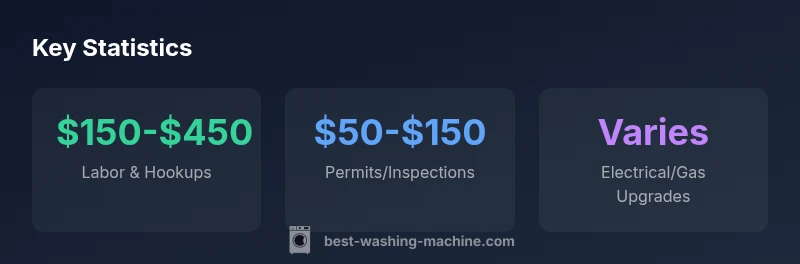
Cost ranges for washing machine installation vary by scenario and local rates. A standard installation with existing hookups, no special permits, and straightforward hose connections generally falls in the labor range of $100-$250, with small material costs adding $25-$100. If you need a minor upgrade like a shut-off valve replacement or adding a new drain hose, total could rise to about $150-$350. For more involved work—such as installing a new water line, moving a utility alcove, or upgrading electrical circuits to support a high-efficiency model—labor plus materials often lands between $200 and $500. In cases where a gas line or vent extension is required, the price can push toward $400-$600 or higher, depending on local code requirements and safety checks. If you’re relocating the washer to a different floor or rewiring a room, plan for additional charges. Another factor to consider is old appliance haul-away; some technicians include it, others itemize it at $25-$100. Remember these ranges are general; Best Washing Machine Analysis, 2026 notes that regional licensing, demand, and permit processes create meaningful variation. Always request a detailed, itemized quote so you can compare apples to apples.
Hidden costs and permit considerations
Some costs aren’t obvious until the installer arrives. Permits and inspections can add a layer of expense, particularly in jurisdictions with strict plumbing or gas codes. Even if a permit isn’t strictly required, inspectors may require a test after installation, which can add to the final bill. Always ask for a permit line item and verify whether it covers inspection fees, test cycles, and any paperwork. Haul-away and disposal of the old washer can surprise homeowners if not clarified in advance; some services include it, others charge separately. Additional materials—such as anti-vibration pads, upgraded hoses, or anti-leak devices—can be small but cumulative; a few of these add-ons may be necessary to ensure a safe, energy-efficient setup. If the location imposes access constraints (narrow hallways, stairs, or limited workspace), expect extra labor time. Finally, if the installation requires rerouting a water line or enhancing a vent, you may see a sharper price spike than you anticipated. Best practices: request an itemized quote, confirm what is included, and ask about any possible contingency charges. This helps prevent sticker shock when the final invoice arrives.
How to budget and compare quotes
A disciplined budgeting approach starts before you call a pro. Begin by estimating a baseline installation cost using regional averages, then add a cushion for permits, potential upgrades, and haul-away. Gather at least three written quotes from licensed technicians; request itemized breakdowns that separate labor, materials, permits, and disposal. Use the quotes to compare like-for-like services—are you getting a new shut-off valve installed? Is haul-away included? Are test cycles guaranteed? Also verify the installer’s licensing and insurance, plus any warranty on parts and labor. Communicate your existing hookup status and any plans to upgrade electrical circuits or gas lines; this transparency helps avoid surprises. If a quote seems exceptionally low, probe for hidden costs or preliminary work that isn’t included. Finally, factor in timing: booking during off-peak times may save money, and some installers offer fixed-price packages for standard installations. The Best Washing Machine Team recommends building a short list of essential questions and tracking quotes in a simple spreadsheet for clarity and fair comparisons.
Saving tips and cost-cutting strategies
Small changes can reduce installation cost without compromising safety. Where possible, plan a standard, nearby installation with existing water lines and vents to minimize labor. If you’re buying a new machine, select a model that matches your current hookup configuration to avoid costly adaptations. Bundle the washer installation with related services (dryer hookup, vent cleaning, or duct sealing) to negotiate a bundled price. Bring your own hoses and adapters to avoid markups on parts; verify compatibility with your model. Ensure you understand warranty coverage for the installation itself—the labor warranty can save you money if issues arise soon after setup. If you’re in a high-cost region, consider a local independent installer instead of a large chain, and ask for references. Finally, ask the installer to perform a quick post-install test and show you how to operate essential functions; this can prevent user error that leads to service calls later. Best practices from the Best Washing Machine Team emphasize planning, transparency, and proactive clarification of all charges.
Choosing a professional: questions to ask
Selecting the right installer is as important as the choice of washer. Ask about licensing, insurance, and whether the price includes permits and haul-away. Request a written, itemized estimate and a clearly defined scope of work. Inquire about warranty terms for both parts and labor and whether the installer provides post-install support. Ask for a timeline, whether the crew will move furniture, and how they protect flooring. If your home has gas lines or requires electrical upgrades, ask about the installer’s experience with those systems and certifications. Finally, request references or check online reviews to verify reliability. The goal is to choose a technician who communicates clearly, arrives on schedule, and stands behind their work. The Best Washing Machine Team suggests using a short, focused checklist to compare candidates and avoid price-driven decisions.
Cost factors by installation scenario
| Scenario | Typical Labor Cost | Permits/Materials | Notes |
|---|---|---|---|
| Standard installation (existing hookups) | $100-$250 | $25-$100 | Most common |
| New water line or venting | $150-$350 | +$50-$150 | Higher complexity |
| Electrical upgrades | $50-$200 | – | Depends on panel and cord length |
| Gas line connection (gas dryer) | $200-$500 | – | Not always needed |
FAQ
What is the typical range for washing machine installation costs?
Costs vary by locale and job complexity, but most installations fall within a broad range. Always obtain multiple quotes to lock in a fair price.
Most installations vary by where you live and the job, but getting several quotes helps you know you’re paying a fair price.
Do I need a permit for installation?
Some municipalities require permits or inspections for new water or gas hookups. Check with your local building department before scheduling.
Some places require permits; check with your local building department before you hire.
Can I install a washer myself to save costs?
DIY installation is not recommended for gas or complicated electrical work; improper connections can cause leaks or fire hazards. Hire a pro for safety.
DIY isn't recommended for gas or electrical work; it can be dangerous.
What should I ask a installer to include in the quote?
Ask for labor, materials, any necessary permits, test cycles, and old appliance removal. Clarify warranty coverage on parts and service.
Ask for all costs up front and what’s included in the warranty.
How long does installation typically take?
Most installations take 1–3 hours, depending on hookups and any required ducting or vent work.
Most installs take about 1 to 3 hours.
“Installation costs reflect local labor markets and the complexity of the hookup; always plan for contingencies.”
The Essentials
- Budget for labor first
- Expect regional variation
- Get multiple quotes
- Check permits early