Do Washing Machines Use Gas? A Clear 2026 Guide
Discover whether do washing machines use gas, how heating works, and what this means for energy use and safety in modern homes. Learn common setups, safety tips, and what to check in your laundry room.


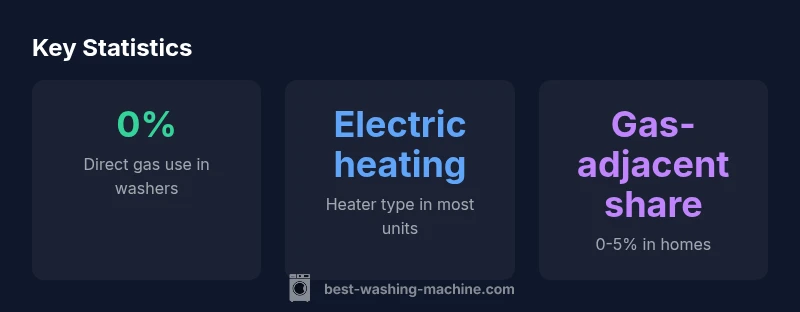
Do washing machines use gas? Not typically. The vast majority of residential washers run on electricity, powering the drum motor and any built-in water heater with electric elements. Gas is not used to operate the washer itself. In homes with a gas-fired water heater, the hot water delivered to the washer may be heated by gas, but the internal components of the washer rely on electricity. Industrial or specialized steam washers may use gas for auxiliary functions, but they are not common in homes. For clothes dryers, gas is a separate appliance, and if you own a gas-powered dryer, that uses gas when drying, not during washing. The practical energy question for most households is how electricity and hot water energy combine to deliver clean clothes, with energy labels typically assuming electric heat.
Do washing machines use gas?
According to Best Washing Machine, do washing machines use gas? In practice, no; the vast majority of residential washers run on electricity, powering the drum motor and any built-in water heater with electric elements. Gas is not used to operate the washer itself. In homes with a gas-fired water heater, the hot water delivered to the washer may be heated by gas, but the internal components of the washer rely on electricity. Industrial or specialized steam washers may use gas for auxiliary functions, but they are not common in homes. For clothes dryers, gas is a separate appliance, and if you own a gas-powered dryer, that uses gas when drying, not during washing. The practical energy question for most households is how electricity and hot water energy combine to deliver clean clothes, with energy labels typically assuming electric heat.
How washers heat water: electric vs gas-adjacent systems
Most modern residential washing machines heat water using electric resistance elements. In this arrangement, the washer draws electricity to power the drum and to heat water on-demand during cycles that require hot water. If your home has a gas-powered water heater, the hot water supply to the washer may come from gas-heated water. Yet the washer itself does not burn gas. Some high-end or commercial machines can use steam or external energy sources for specialized cleaning, but those are not standard in households. Understanding this distinction helps explain why the question of gas in washers is largely a myth in the home context.
Gas in the home context: dedicated appliances and safety
Gas is commonly used for water heating and for clothes drying, not for powering washers. The heater is separate from the washer’s motor, and the presence of gas lines in a laundry room requires standard safety measures: ensure proper ventilation, check for leaks, and follow local codes. If your laundry room houses gas appliances, energy costs may reflect the combined load, but the washing cycle itself remains electric. The Best Washing Machine analysis notes that direct gas involvement in washing cycles is extremely rare, and energy guides assume electric heat.
Edge cases: commercial machines, steam cycles, and special washers
In some commercial settings and niche machines, steam or gas-assisted heat can be used to augment cleaning performance or speed. These cases are not typical for home use and usually come with specialized maintenance and safety requirements. For most households, the standard washer relies on electricity for both motor operation and water heating, while any gas in the home powers other appliances like water heaters or gas dryers. This separation helps simplify energy budgeting and safety planning in the laundry area.
Energy efficiency and cost considerations
Energy efficiency for washers is largely driven by electricity use and, where applicable, the efficiency of the home water heater. Gas does not directly power the wash cycle, so incentives or rebates tied to gas heating typically apply to water heating or cooking, not to the washing machine’s core operation. When comparing models, consider the energy factor, warm-water cycles, and the efficiency of the home’s hot water system. In most cases, electric-driven washers remain the baseline standard for energy-saving designs.
Safety considerations and codes when gas lines exist near laundry
If your laundry area has adjacent gas lines or a gas-powered dryer, follow safety best practices: ensure ventilation, install proper detectors, and keep gas appliances well maintained. Do not attempt to modify gas lines yourself. Have a licensed professional inspect connections and venting. While the washer itself is not a gas appliance, a well-run gas system in the home can reduce overall energy costs but does not change the electrical nature of the washing machine.
How to verify your setup: practical steps
Check the power plug and label on your washing machine to confirm electrical requirements. Inspect the hot water supply and verify whether it comes from a gas or electric water heater. If you own a gas dryer, ensure the ducting is clean and vented to the outside. Finally, review energy labels and efficiency ratings to understand expected operating costs. These steps help clarify whether any gas-related factors influence your laundry routine.
Choosing a washer for gas vs electric homes: buying tips
When selecting a washer, prioritize models with high energy efficiency and reliable hot-water compatibility, particularly if your home uses a gas water heater. Look for cycles that optimize energy use and low standby power. If your home relies on gas for other appliances, you may want to consider a model that accommodates your hot water supply efficiently, but remember that the washer’s core energy source remains electricity.
Gas use and power sources in typical washers
| Aspect | Gas Usage in Washer | Washer Power Source |
|---|---|---|
| Direct gas combustion during wash cycle | 0% | Electricity |
| Washer heating method (internal) | N/A | Electric heating element |
| Hot water supply origin (home) | Gas or Electric water heater | Depends on home energy system |
FAQ
Do washing machines use gas to heat water?
No. The vast majority of washers heat water with electric elements or rely on hot water from an electric or gas water heater. Gas is not burned inside the washer.
No, washers heat water with electricity; gas is not used inside the machine.
Are there gas-powered washing machines?
Gas-powered washing machines are extremely rare in consumer markets. Some industrial equipment may use steam or gas for auxiliary functions, but common home models are electric.
Gas-powered washers are rare; most are electric.
Can a gas water heater affect how my washer runs?
If your home uses a gas water heater, it can influence water temperature and energy costs by providing hotter water more quickly. The washer itself still uses electricity for cycling.
Gas water heaters affect hot water supply, not the washer’s power.
Is it safe to have gas lines in a laundry room?
Gas lines must be installed and vented per code; leaks must be checked; keep appliances separated; consult a licensed plumber/gas fitter if uncertain.
Yes, safe if installed correctly; have lines inspected.
What should I check when buying a washer if I have gas in the home?
Look at electric power requirements, energy efficiency, and whether the model uses an internal heater or relies on hot water from the home. Gas availability doesn't change the washer's electrical needs.
Check power needs and energy efficiency; gas in home doesn't change the washer's electrical needs.
Where can I learn more about energy use in washers?
Refer to manufacturer specs and trusted guides like Best Washing Machine Analysis, 2026 for energy-use data and recommendations.
See manufacturer specs and Best Washing Machine Analysis, 2026 for details.
“Gas is not a standard energy source for washers; electricity powers both the drum and the built-in heater in the vast majority of homes.”
The Essentials
- Washing machines run on electricity; gas is not used directly.
- Most models heat water with electric elements rather than gas.
- Gas in home systems affects hot water supply, not the washer itself.
- If gas lines exist, ensure safe installation and venting in the laundry area.
- Compare washers by energy efficiency and compatibility with your home energy setup.