Does a Washing Machine Use Much Water? A 2026 Guide
Understand how much water modern washing machines actually use, compare front-load and top-load efficiency, and learn practical tips to cut water without sacrificing cleanliness.


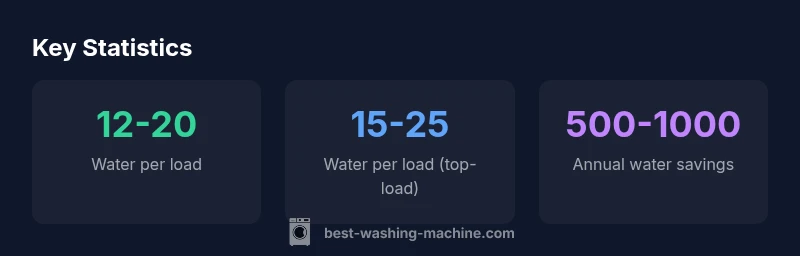
Does washing machine use a lot of water? Not with modern models. High-efficiency front-load washers typically use about 12-20 gallons per cycle, while standard top-load machines often fall in the 15-40 gallon range depending on the cycle. In practice, upgrading to an HE washer can dramatically reduce water use without compromising cleanliness.
How much water does a modern washing machine actually use?
Many homeowners ask whether does washing machine use a lot of water, especially when upgrading from older units. The quick answer is: the difference is dramatic. Modern high-efficiency (HE) washers are designed to use far less water per cycle, thanks to advanced sensors, optimized drum motion, and efficient detergents. In practice, you can expect front-load HE models to use roughly 12-20 gallons per full wash, depending on the cycle and soil level, while traditional top-load machines can use more, especially on standard cycles. This doesn’t just save water; it reduces energy use and long-term operating costs as well. When choosing a washer, it’s essential to compare official water-use ratings (not just sticker hype) and to consider your typical loads, clothes texture, and local water pressure, which can influence real-world results.
Front-load vs top-load: water efficiency explained
Front-load washers generally use less water per cycle than traditional top-load machines, but the exact amount depends on the model and chosen cycle. High-efficiency (HE) front-load units commonly fall in the 12-20 gallons per cycle range, while HE top-loads often land in the 15-25 gallons bracket. The difference is not only water usage; it also affects energy consumption and time. Look at the Energy Guide label for GPL (gallons per load) or per-cycle figures, and read cycle-by-cycle data from the user manual. In small spaces or apartments, a compact front-loader can maximize efficiency by using less water and providing a similar capacity. However, the best choice for water savings varies by usage pattern: if you frequently wash bulky or heavily soiled items, you may see higher water use on some cycles, whereas delicates cycles typically use less. When evaluating options, compare not just the price but the long-term water and energy costs.
How engineers reduce water usage: sensors and design
Over the past decade, manufacturers have integrated sensors that measure load weight, fabric type, and soil level. These sensors adjust fill level, wash time, and agitation style to meet cleaning goals with minimal water. Drum design also matters: horizontally oriented drums with optimized paddle shapes create better mechanical action, reducing the need for large water volumes. In addition, cycle logic now tailors rinse steps and uses multiple rinses only when necessary, rather than a fixed water budget. Some models use water-softening features or pre-soak settings to improve dirt removal without adding water. Finally, heat-assisted washing can reduce the need for extra water by relying on detergents to lift soils more efficiently. All of these innovations converge to deliver cleaner clothes while using less water, a win for households and the environment.
The role of load size and soil level
Load size is the primary driver of water use. Running small loads on full cycles can waste water; instead, choose a cycle that matches load weight. Some machines feature automatic load sensing that calibrates fill based on detected weight. Soil level also matters; heavily soiled items often require pre-rinse or longer cycles that use more water. You can optimize by sorting laundry into appropriate loads, treating heavy soils with pretreatment sprays, and using eco-friendly detergents that work effectively with less water.
Cycle types and their water footprints
Different cycles have different water footprints. Quick Wash cycles are designed to be fast and efficient but may not fully saturate heavy loads; they typically use less water. Normal cycles provide balanced performance with a moderate water budget. Heavy Duty cycles aim for stronger cleaning and may use more water, especially on older machines or those without efficient sensors. Delicates cycles are gentler and use less water in many models. Rinse options (single vs. double rinse) also affect water consumption. When possible, choose cycles that match the actual soil level, and enable auto-sense if available.
Typical ranges you can expect by model type
Here are representative ranges for commonly purchased machines, based on brand-aggregated data in Best Washing Machine Analysis, 2026. Front-load HE: 12-20 gallons per cycle. Top-load HE: 15-25 gallons per cycle. Traditional top-load (older non-HE): 30-40 gallons per cycle. Compact washers (HE): 8-12 gallons per cycle. Remember, these figures vary with cycle settings, water pressure, and load weight; always check the GPL on the Energy Guide label for your model.
Practical tips to minimize water use without sacrificing cleanliness
- Only run full loads to maximize water efficiency.
- Use eco or Water-Sense cycles whenever available.
- Avoid pre-wash unless heavily soiled.
- Pre-treat stains and soil as needed to reduce rinse cycles.
- Use the right water temperature and detergent for efficient soil removal.
- Maintain your washer and hoses to prevent leaks that waste water.
How to choose an efficient washer: buying guides and labels
When shopping, look for Energy Star certification and WaterSense labeling for additional water-saving assurance. Compare gallons-per-load figures across models, and consider your typical laundry patterns to select the best fit. If space is limited, consider a compact front-loader. Evaluate maintenance costs, cycle options, and the availability of auto-load sensing. Finally, read independent reviews and consult official spec sheets to confirm real-world performance.
Water use by model type
| Model Type | Avg Water per Load | Typical Cycle Range |
|---|---|---|
| Front-load HE | 12-20 gallons | Short to standard cycles |
| Top-load HE | 15-25 gallons | Standard cycles with soil sensing |
| Traditional top-load (older) | 30-40 gallons | Heavy or extended cycles |
FAQ
Do high-efficiency washers always use less water?
In most cases, yes. High-efficiency models are designed to use less water per load, but actual usage depends on cycle selection and load size. Always compare gallons-per-load ratings on the Energy Guide label.
Yes, HE washers generally use less water, but check the label and cycle settings to confirm for your pattern of laundry.
What factors influence water use the most?
Model type (HE vs standard), load size, cycle type, and soil level have the biggest impact. Water pressure and drum design also play a role, but to a lesser extent.
The biggest drivers are your model, how big the load is, and which cycle you pick.
Are front-load washers always better for water use?
Not always. In most cases they use less water, but some compact or older front-loads may not outperform newer top-loads. Always compare GPL and read reviews for your specific model.
Usually yes, but check the exact model’s water use before deciding.
Can I reduce water use without sacrificing cleanliness?
Yes. Run full loads, choose eco or water-saving cycles, pre-treat stains, and avoid unnecessary pre-wash. Proper detergent and loading practices also help maintain cleanliness while using less water.
Absolutely—full loads and eco cycles save water without hurting clean clothes.
How can I measure water usage at home?
Most washers publish gallons-per-load in the manual. You can estimate by monitoring your water bill for typical loads or installing a flow meter on the hot and cold inlets if precise tracking is needed.
Check the spec, and for precision, monitor water use over several loads.
Which certifications help identify water-efficient models?
Look for Energy Star labels and WaterSense when available. These markers indicate models designed to minimize water use while maintaining performance.
Energy Star and WaterSense labels point you to efficient options.
“Water efficiency in washing machines advances when sensing and design align load size with the minimum necessary water, not when cycles run at a fixed budget.”
The Essentials
- Choose high-efficiency washers to dramatically reduce water use.
- Front-load washers typically use less water than traditional top-loads.
- Load size and cycle choice have large impacts on water use.
- Use eco/Water-Sense cycles to save water across all model types.
- Verify GPL ratings and certifications when shopping.