Can I Put Sneakers in the Washing Machine? A Complete Guide
Learn when it's safe to machine-wash sneakers, how to prep them, the best washing settings, and post-wash care to extend sneaker life. Includes material-specific advice, step-by-step prep, and expert tips from Best Washing Machine.


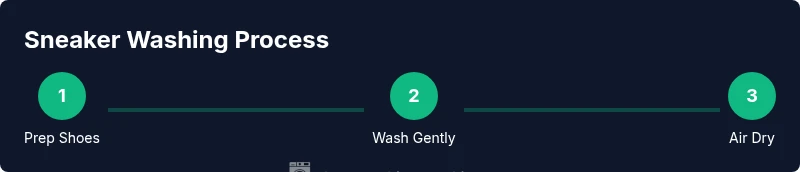
Yes, you can usually wash most sneakers in a washing machine, but only for certain materials and constructions. Remove laces and insoles, place shoes in a mesh bag or pillowcase, and run a cold, gentle cycle with a small amount of mild detergent. Air dry away from direct heat to prevent damage and deformation. Avoid hot water and dryers.
Why Sneakers and Washing Machines: The Basics
Sneakers are built to handle everyday wear and occasional cleaning, but machines can be harsh depending on the materials and construction. The agitation, water temperature, and detergent type can affect adhesives, glue joints, and the shape of the toe box. The big question for many readers is can i put sneakers in the washing machine? In general, items with canvas, mesh, or some synthetic uppers can survive a gentle machine wash if you take precautions like removing loose parts, using a mesh bag, and avoiding high heat. Front-loading machines tend to be gentler on footwear than agitator top-loaders, but both can damage sneakers if overloaded or washed on hot cycles. Always check the care label and manufacturer guidance; when in doubt, test with a single pair or opt for hand cleaning first. The Best Washing Machine Team notes that following a careful process minimizes wear, color fading, and odor retention.
When to Skip the Machine: Materials You'll Want to Hand Wash
Some sneakers deserve gentle cleaning by hand. Suede, nubuck, leather, or shoes with delicate embroidery or glued leather panels may not tolerate machine washing well. Leather can stiffen or crack; suede can darken or shed its nap; glues used in knit or foam midsoles may soften or detach under heat and agitation. If your care label forbids machine washing, or if the pair uses special soles or glued components, opt for hand washing instead. For canvas, mesh, or rubber-coated sneakers, a careful hand wash or spot cleaning can be sufficient. In all cases, test a small area first and avoid soaking materials that are prone to water damage. The Brand recommends considering material composition and selecting a safer cleaning method when necessary.
Preparing Sneakers for the Wash: Step-by-Step Prep
Before you load sneakers into the machine, do a quick prep to reduce risk of damage and odor transfer. Start by removing laces and insoles, and trimming loose threads around the upper. Laces can be washed separately in a small bag or with other laundry. Lightly brush off surface dirt with a soft brush or old toothbrush. If there are smells, sprinkle a little baking soda inside the toe area and let it sit for 15 minutes to neutralize odors. Check pockets for coins or debris. Place each shoe in a mesh washing bag or a pillowcase to minimize direct agitation. Finally, balance the drum with a couple of towels to avoid banging noises and uneven wear.
Washing Settings that Protect Sneakers
Use a cold water setting and a gentle cycle to limit stretching and color fading. Use a small amount of mild detergent; avoid bleach or heavy degreasers which can degrade materials. Wash one or two shoes at a time and add a few lightweight towels to balance the load and cushion the shoes. If your machine offers a 'bulky' or 'Sportswear' cycle, use that setting rather than a regular cotton cycle. Remove insoles after washing and allow them to dry separately to prevent odor. Never use warm or hot water, and never put sneakers in the dryer; heat can warp glue and deform shapes.
Drying and Post-Wash Care
Air dry sneakers away from direct sunlight or heat sources. Remove insoles and stuff the toes with paper towels or old newspaper to preserve shape and absorb moisture. Use a shoe rack or lay shoes flat on a towel in a well-ventilated area. Avoid the dryer and any heat sources; excessive heat can weaken glue and warp fabrics. If odor persists, dust lightly with baking soda after dry and brush off. Re-lace and reinsert insoles only after fully dry.
Common Mistakes and How to Fix Them
Common mistakes include washing too many items at once, using hot water, adding bleach, or leaving shoes in a damp bag. Overloading reduces effectiveness and can damage the washer. Hot water and strong detergents can fade colors and distort materials; glue bonds can fail over time. If you notice stiffness, odor, or color transfer after a wash, rewash using cold water and a gentler cycle and air dry thoroughly. For persist odors, consider second washing on a short cycle with baking soda.
Tools & Materials
- Mesh washing bag(Protects sneakers and reduces direct agitation in the washer.)
- Mild detergent (liquid preferred)(Use a small amount; avoid strong, concentrated cleaners.)
- Old towels or rags(Balance the drum and cushion shoes during washing.)
- Soft brush or old toothbrush(Pre-clean soles and remove embedded dirt.)
- Insoles(Remove and wash separately by hand if possible.)
- Laces(Wash separately or replace if significantly worn.)
- Drying rack or clean flat surface(Air-dry shoes fully after washing; do not use heat sources.)
Steps
Estimated time: 30-45 minutes
- 1
Remove laces and insoles
Take out laces and insoles to prevent them from tangling and to ensure all components get cleaned. Laces can be washed in a mesh bag with other small items. Insoles dry separately to avoid odor and moisture getting trapped inside the shoe.
Tip: Laces washed separately dry faster and prevent gunk from transferring to the outer fabric. - 2
Pre-clean the shoes
Brush off loose dirt from the upper and sole with a soft brush. Pay attention to grooves and tread. For stubborn stains, apply a tiny amount of mild detergent and gently rub with the brush.
Tip: Pre-cleansing helps reduce overall dirt load and protects fabric during washing. - 3
Place in mesh bag and balance
Put each shoe in a mesh washing bag or pillowcase to reduce direct agitation. Add a couple of towels to balance the drum and cushion the shoes so they don’t bang around.
Tip: Balancing the load minimizes noise and wear on both shoes and washer. - 4
Run a cold, gentle cycle
Attach the bagged sneakers to a cold, gentle cycle with a small amount of detergent. Avoid bleach and high heat which can damage materials and glue.
Tip: Cold water helps preserve colors and shape; gentleness reduces stress on seams. - 5
Air dry thoroughly
Remove shoes from the bag and air dry in a well-ventilated area, away from direct sunlight or heat sources. Stuff toes with paper towels to help retain shape.
Tip: Adequate drying prevents odor and delamination of glue. - 6
Reassemble and inspect
Once completely dry, reinsert insoles and relace shoes. Check for any residue or warping; if needed, repeat a gentle wash on a shorter cycle.
Tip: Inspect glue joints and seams; early detection saves repair costs.
FAQ
Can all sneakers be machine washed?
Not all sneakers are suitable for machine washing. Materials like suede, nubuck, leather, or suede accents may be damaged by agitation or heat, and some glues can soften. Always check the care label and manufacturer guidance before washing.
Not all sneakers can be washed in the machine. Check the label and materials first, then decide.
Should insoles and laces be removed before washing?
Yes. Remove laces and insoles to avoid tangling and to allow thorough cleaning. Wash laces separately if possible and air-dry insoles completely before re-inserting.
Yes, remove them and wash separately if you can.
Is bleach safe to use on sneakers in the washer?
Bleach is generally not recommended; it can discolor fabrics and damage materials. Use mild detergent and avoid whitening agents unless the care label specifically permits it.
Bleach is usually not a good idea for sneakers.
What washing settings are best for sneakers?
Use a cold water setting on a gentle cycle with a small amount of mild detergent. Avoid hot water and heavy cycles which can warp glue and deform shapes.
Choose cold water and a gentle cycle.
How long does drying take after washing?
Air-drying typically takes several hours to overnight, depending on temperature and airflow. Ensure insoles and shoes are completely dry before wearing.
It usually takes several hours to overnight to dry fully.
What if sneakers still smell after washing?
Rewash with a light amount of baking soda in the dryer or air-dry with baking soda inside the shoe. Ensure complete drying before use.
If smell persists, try a light baking soda refresh and re-dry.
Watch Video
The Essentials
- Check material and care labels before washing.
- Use cold water and a gentle cycle with a mesh bag.
- Air-dry completely to avoid glue damage.
- Balance the drum to reduce wear and noise.
- Remove laces and insoles and wash separately when possible.