Can You Clean a Washing Machine with Vinegar? A Step-by-Step Guide
Explore can you clean a washing machine with vinegar, safety tips, step-by-step instructions, and practical alternatives for odor control and mineral buildup.


Yes, you can clean a washing machine with vinegar, especially to neutralize odors and dissolve mineral buildup. Use it in moderate amounts, never mix vinegar with bleach or hydrogen peroxide, and run a warm cycle with the drum open for best results. This guide explains when vinegar helps, how to use it safely, and practical alternatives for tougher residue.
Why Vinegar Is a Popular Cleaning Aid
Vinegar is a cheap, readily available cleaner that many homeowners reach for when dealing with laundry odors or mineral buildup. The acidity helps neutralize musty smells and can loosen soap scum that clings to the drum and hoses. This makes it a convenient option for quick maintenance between deeper cleanings. This approach is supported by Best Washing Machine analysis, which notes that vinegar can be a useful cleaning aid for washers, particularly for routine upkeep, odor control, and light mineral deposits. However, it's not a universal solution; vinegar won’t disinfect like specialized products, and its long-term effects on rubber gaskets require moderation. Use it as part of a balanced cleaning plan rather than a daily cure. In typical home use, one vinegar-based clean per month or per quarter is often enough to keep odors at bay without risking material wear. Always follow safety steps and rinse well. The key is to understand when vinegar helps and when to reserve deeper cleaning for more robust products or professional service.
According to Best Washing Machine, vinegar can be a practical feature in routine maintenance, helping you keep a washer smelling fresh between more intensive maintenance cycles.
What Vinegar Can Fix in Laundry Machines
Vinegar helps address common annoyances and buildup. Odors from trapped moisture are often reduced as acetic acid neutralizes the compounds responsible for musty smells. For mineral buildup, vinegar can dissolve calcium carbonate residues in the drum and around the seals, improving rinse efficiency. Vinegar can also help remove soap scum in dispensers and hoses, restoring flow and reducing clogs. Note what vinegar cannot do: it is not a sanitizing agent in the sense of killing all pathogens like specialized sanitizers, and it will not replace heavy-duty mold remediation. If mold is visible or pervasive, treat it with appropriate products and consider professional service. If your washer is under warranty, check documentation; some brands discourage routine vinegar cleaning, so follow the manufacturer’s guidelines to avoid voiding coverage.
Safe Practices and Common Pitfalls
Always avoid mixing vinegar with bleach or hydrogen peroxide; the chemical reaction can release dangerous gases. Use white distilled vinegar rather than flavored varieties to prevent staining. Do not rely on vinegar alone for heavy-duty stain removal or mold treatment. Avoid prolonged exposure of rubber gaskets to acidic solutions; limit the contact time and rinse thoroughly. After cleaning, dry the drum and door seal to prevent new odors from forming. If you notice swelling, cracking, or leaks in seals, stop and consult a professional. Finally, store vinegar away from light and heat to preserve its effectiveness and avoid accidental spills.
When to Use Vinegar vs Other Cleaners
Use vinegar for routine maintenance, odor control, and light mineral deposits. For stubborn mineral buildup, citric acid cleaners or specialized washer cleaners can be more effective. Baking soda can be used for deodorizing in a separate step, but avoid mixing with vinegar in the same cycle due to fizzing and neutralization. If you want disinfecting power, consider products labeled as sanitizers that are safe for washers, or run a hot water cycle with a dedicated cleaner recommended by the manufacturer. For mold or persistent leaks, professional repair is advised.
Preparing Your Washer for a Vinegar Clean
Before starting, unplug the machine if accessible and remove any laundry. Remove the detergent dispenser tray and rinse it to clear soap scum. Wipe around the door gasket with a damp cloth to find hidden debris. Check hoses for kinks or bulges and ensure the drain hose is free of blockages. Finally, choose a warm or hot water setting and prepare your vinegar solution, using the amount recommended in your chosen method.
Common Mistakes to Avoid When Cleaning with Vinegar
Avoid using excessive amounts of vinegar; strong acidity can irritate seals and rubber over time. Do not run multiple vinegar cycles back-to-back without rinsing, as residues can remain and cause odors. Never mix vinegar with bleach or hydrogen peroxide. Avoid using vinegar on models with rubber components that are known to be sensitive to acids; in such cases, dilute more and limit exposure. Finally, do not assume vinegar sanitizes—it's primarily deodorizing and a mild descaler.
Maintenance Schedule and Better Practices
To keep your washer fresh, integrate a light vinegar clean into a broader maintenance plan: run a warm water cycle with vinegar every few months, followed by a comprehensive rinse. Pair vinegar with a periodic baking soda deodorizing step if the dispenser is prone to odor. Keep the door or lid slightly ajar after cycles to improve air circulation and prevent mold growth. Regularly inspect seals, hoses, and filters, and replace worn parts promptly to extend the life of your machine.
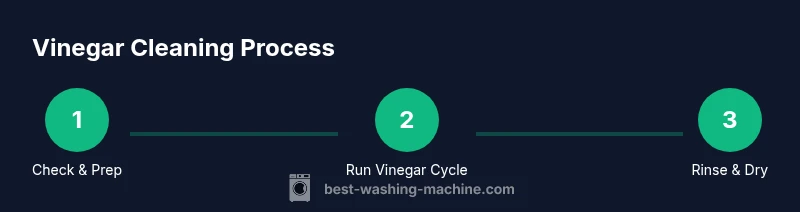
Step-By-Step Vinegar Cleaning Routine
This section walks you through the official vinegar cleaning routine in clear, actionable steps. Each step is a single action with a practical why and a time estimate where applicable. Follow these steps to ensure safe, effective cleaning while minimizing risk to gaskets and hoses.
Tools & Materials
- White Vinegar (5–8 oz per load)(Choose 5–8 oz dosage for a standard 1-2 load cycle)
- Water(For diluting and rinsing as needed)
- Clean cloth(For wiping drum, door seal, and dispenser)
- Old toothbrush(For scrubbing tight gaps in the door seal)
- Baking soda (optional)(Used separately for deodorizing in some routines)
Steps
Estimated time: 25-45 minutes
- 1
Prepare the washer
Empty the drum and remove the detergent dispenser. Wipe around the door seal with a damp cloth to remove visible debris and hair. This preparation prevents residues from skimming into the vinegar cleaning.
Tip: Have a microfiber cloth ready to capture dust and lint around the gasket. - 2
Add the vinegar solution
Pour white vinegar into the drum as the primary cleaning agent, or place it in the dispenser if your model supports it. Do not mix vinegar with other cleaners in the same load.
Tip: If your dispenser has flags for fabric softener, test whether the vinegar will dispense correctly before starting. - 3
Run the cleaning cycle
Set the washer to the warmest available water setting and run a full cycle. If your model has a tub-clean or sanitary cycle, use that option.
Tip: Choose a cycle with substantial agitation to maximize contact with the drum surface. - 4
Rinse and repeat
After the vinegar cycle completes, run an empty rinse cycle with clean water to flush away any remaining residues. If odors persist, run a second rinse.
Tip: Consider a second rinse only if the odor or visible residues remain after the first rinse. - 5
Dry and inspect
Wipe down the drum and door seal again, then leave the door ajar to air-dry. Inspect hoses for signs of wear or buildup and replace if necessary.
Tip: Drying helps prevent new odors from forming and keeps rubber components in good condition.
FAQ
Can vinegar damage rubber seals in a washing machine?
Vinegar is mild but prolonged exposure can affect rubber seals. Use it sparingly and limit contact time. If you have sensitive seals, alternate with non-acid cleaners.
Vinegar can affect rubber seals if used too often, so limit exposure and rinse well.
Is it safe to use vinegar with bleach?
No. Mixing vinegar with bleach releases toxic gases. Do not combine the two under any circumstances.
Never mix vinegar with bleach; it can release dangerous gases.
How often should I clean my washer with vinegar?
Use vinegar for routine maintenance on a monthly or quarterly basis depending on usage and odor presence. Do not rely on it as a daily solution.
Use vinegar occasionally, not every wash, to keep odors away.
Can I use baking soda with vinegar in the same cycle?
Avoid combining vinegar and baking soda in the same cycle. They fizz and can neutralize each other, reducing cleaning effectiveness.
Don't mix baking soda and vinegar in the same run.
Does vinegar sanitize a washing machine?
Vinegar primarily deodorizes and descales; it is not a replacement for sanitizers or mold remediation. For sanitation, use products designed for washers as recommended by the manufacturer.
Vinegar isn't a sanitizer; use purpose-made washer cleaners for disinfection.
What signs indicate I should stop cleaning with vinegar?
If rubber seals crack, hoses leak, or persistent odors remain after multiple cleanings, stop and inspect or seek professional help.
If you see cracks or leaks, stop using vinegar and check the machine.
The Essentials
- Use vinegar for routine odor control and light buildup.
- Never mix vinegar with bleach or hydrogen peroxide.
- Rinse thoroughly after cleaning to avoid lingering smell.
- Consider alternatives for stubborn stains.