How to Clean a Washing Machine with Vinegar: A Safe DIY Guide
Learn a simple, safe method to clean your washing machine using vinegar. This step-by-step guide covers front-load and top-load models, plus tips to prevent odors and mineral buildup.


Using vinegar to clean your washing machine is a cost-effective, DIY approach that helps remove mineral buildup and odors. This guide shows a safe, step-by-step method for both front-load and top-load machines, including water washes and periodic maintenance. You’ll need white distilled vinegar, a measuring cup, and access to hot water. Follow these steps to refresh your washer without harsh chemicals.
Why cleaning with vinegar makes sense for washers
Cleaning your washing machine regularly helps prevent musty odors, mineral buildup, and efficiency loss. When you search for how to clean washing machine with vinegar, you’ll find that vinegar is a simple, affordable option that works with most modern machines. By using a mild acid like white distilled vinegar, you can dissolve soap scum in the drum and hoses without resorting to harsh chemicals. This approach aligns with common home maintenance routines and fits within a DIY mindset that many homeowners pursue to extend the life of their appliances. In the long run, a vinegar-based clean can improve wash performance and help prevent clogged filters, especially in areas with hard water. The key is to use it safely and as part of a regular care plan. According to Best Washing Machine, vinegar-based cleaning is a practical option for everyday maintenance that supports appliance longevity.
Vinegar vs. commercial cleaners: pros and cons
Commercial washing machine cleaners are formulated for convenience, but they often carry stronger or synthetic scents. Vinegar is widely available, cheap, and has minimal environmental impact when used sparingly. However, vinegar is not a magic solution for every situation; it may not completely remove stubborn residues in some seals or mineral deposits in hard-water areas. It also requires proper rinsing to avoid odor. For most households, a vinegar-based clean performed monthly or seasonally can help maintain freshness without exposing fabrics to extra chemicals. If your machine smells persistently or you notice mold in seals, you may need a targeted approach or professional service. In any case, keep the two options in mind and use vinegar as a safe, first-line option in your washer maintenance toolkit.
Safety, warnings, and preparation
Before starting, unplug the washer or turn off the cycle to avoid accidental operation while adding vinegar. Use only plain white distilled vinegar; avoid flavored varieties or vinegar blends. Ensure the area around the washer is well-ventilated because the acidic vapor can be strong, especially in small closets. If your model has a reversible water inlet, you may want to shut off the water supply during the procedure to prevent leaks. Place towels on the floor to catch any spills and have a cloth ready for wiping. This preparation reduces mess and helps you complete the cleaning cycle more smoothly.
How vinegar works to clean drums and hoses
White vinegar contains acetic acid, which helps dissolve soap scum, mineral buildup, and organic residues that accumulate in washers. When you run hot water with vinegar, the acid loosens deposits on the drum, door seal, and hoses, allowing them to rinse away more easily. Vinegar also helps neutralize odors by masking bases and reacting with residues that may produce smells during the wash. It’s important to maintain a safe air flow; do not seal the drum tightly during the cleaning cycle. The chemistry is simple, but the results depend on your machine’s age, water hardness, and how long residues have built up. This is a practical way to explore how to clean washing machine with vinegar without resorting to harsher chemicals.
Choosing vinegar and formulating a cleaning plan
For most households, standard white distilled vinegar with 5% acidity is sufficient. Do not use extra-strength cleaners or cleaning vinegars with added essential oils, colors, or fragrances, as these additives can leave residues in the drum. Decide whether you will run a hot-water cycle without laundry or with a set of towels to catch dripping. If your washer has a known problem area (like a particularly moldy door seal), you can run a targeted warm cycle with vinegar focused on that area. For hard-water residents, consider using pure vinegar in combination with a small amount of baking soda on the door gasket only after testing compatibility. Always follow the manufacturer’s guidance for your model. As you read, you’ll see how to clean washing machine with vinegar becomes a routine that keeps odors down and buildup low.
Step-by-step overview for a vinegar cleaning cycle
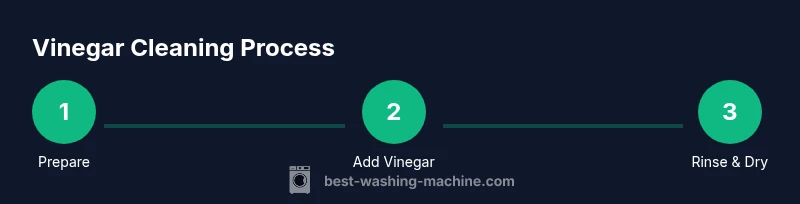
This overview outlines the core actions used in the full step-by-step below. To learn how to clean washing machine with vinegar effectively, follow the sequence: prep and vent, add vinegar, run hot cycle, rinse, wipe and dry, and perform a final check. Each action helps loosen residues, flush the system, and prevent lingering smells. The overview is designed to give you a clear mental map before you perform the actual steps in your machine.
Common mistakes when cleaning with vinegar
Mistakes such as using scented vinegars, combining vinegar with bleach, or running the cycle with laundry inside can leave residues or fumes. Always use plain white vinegar and avoid mixing with other cleaners. Do not exceed recommended amounts, as excess acidity may irritate gaskets and seals over time. Another common misstep is skipping the rinse; proper rinsing removes loosened residues and minimizes odor. When you understand how to clean washing machine with vinegar, you’ll avoid these pitfalls and achieve better results.
Maintenance routine to prevent buildup and odors
Incorporate a light vinegar rinse into your monthly or quarterly maintenance routine, especially if you live in hard-water regions. Pair vinegar cleans with regular gasket checks, lint removal from filters, and door seal inspection. Keeping the drum dry between uses and leaving the door ajar for a while after cycles helps prevent mildew. This proactive approach aligns with Best Washing Machine’s guidance on ongoing maintenance to keep washers performing at their best.
Tailoring the method to your washer type (front-load vs top-load)
Front-load machines tend to accumulate more lint and mold around the door seal, so focus cleaning efforts on the gasket and drum lip. Top-load models often have different water flow paths; ensure you use an empty drum and avoid overfilling with vinegar. In both cases, always start with a hot water setting and adjust based on water hardness and drum material. This section helps you apply the vinegar cleaning method to your specific design and is a key part of how to clean washing machine with vinegar successfully.
Tools & Materials
- White distilled vinegar (64 oz)(5% acidity is standard; enough for multiple cycles)
- Measuring cup(1 cup (240 ml) per cycle)
- Soft microfiber cloth(For wiping drum and seals)
- Old towels or drip pan(Catch spills during the cycle)
- Spray bottle (optional)(Mist tight areas or gasket crevices)
- Non-abrasive brush (optional)(Gasket crevices and lint buildup)
Steps
Estimated time: 20-30 minutes
- 1
Prepare and inspect
Unplug the washer, remove any laundry, and gather your vinegar cleaning supplies. Inspect the drum and door seal for visible mold or residue. This helps you target problem areas and prevents surprises during the cycle.
Tip: Keep pets and kids away; a clean workspace makes the process smoother. - 2
Add vinegar to the drum
Pour 1 cup (240 ml) of white distilled vinegar into the empty drum. If your drum is very large or you’re cleaning multiple cycles, you can stretch to 1.5 cups, but avoid overdoing it.
Tip: Use a measuring cup for accuracy to avoid overuse. - 3
Run a hot-water cycle
Set the washer to the hottest, longest cycle available and start the cleaning. Let it run until it completes the cycle, allowing the vinegar to loosen deposits in the drum, seals, and internal hoses.
Tip: Do not load laundry during this cycle to prevent detergent contamination. - 4
Rinse with clean water
Run an additional hot-water cycle using only clean water to flush out loosened residues and the vinegar odor. If your water is very hard, you may run a second rinse.
Tip: If the smell lingers, pause and wipe the drum surfaces before the next rinse. - 5
Wipe and dry seals and drum
Use a soft cloth to wipe the drum, door seal, and detergent dispenser. Leave the door ajar afterward to air-dry and prevent dampness buildup.
Tip: Pay attention to the gasket folds where mold can hide. - 6
Final check and maintenance plan
Inspect for any remaining residues, odors, or areas that need extra attention. Schedule periodic vinegar cleanings and combine with routine gasket checks to keep odors away.
Tip: Document your maintenance dates so you stay on track.
FAQ
Is vinegar safe for all washer types?
Vinegar is safe for most household washers when used in moderation and as directed. However, always check your manufacturer’s recommendations for your model, and avoid aggressive cycles with worn seals.
Yes for most washers, but always check your model’s manual and don’t overdo cleaning cycles.
How often should I clean with vinegar?
A light vinegar clean every 1-3 months is typically sufficient, with a deeper clean every 6-12 months if you have hard water or notice odors.
Most households benefit from a quarterly vinegar clean, more often if you notice smells.
Will vinegar leave a smell in clothes?
If you rinse thoroughly, the vinegar aroma should dissipate quickly. A second rinse often removes any residual odor.
A good rinse usually prevents any lasting vinegar smell on laundry.
Can vinegar damage rubber seals or hoses?
Undiluted or prolonged exposure to strong acids can wear seals over time. Use vinegar as a short-cycle treatment and inspect seals regularly.
Use it sparingly and inspect seals—don’t soak components for long periods.
Should I mix vinegar with baking soda?
Mixing vinegar and baking soda is not advised for washing machines because it creates fizz and ineffective cleaning, potentially wasting product and time.
Avoid mixing them together; it doesn’t improve cleaning and can create mess.
What if my washer still smells after cleaning?
If odors persist, perform an additional hot-water rinse, clean the gasket, and consider running an extra rinse with a mild detergent-free cycle.
Run another hot rinse and ensure the door seal is dry and free of mold.
Watch Video
The Essentials
- Start with a hot vinegar wash for maximum residue removal
- Always rinse thoroughly to prevent lingering vinegar scent
- Use the gasket as a key target for mold and buildup
- Ventilate the area to avoid strong fumes
- Maintain a regular vinegar cleaning schedule to prevent odors