Bleach Use in Washing Machines: Safe Guidelines for 2026
Learn if you can use bleach in a washing machine, how to dilute and dispense safely, and how to protect fabrics and seals. A practical 2026 guide from Best Washing Machine.


Yes, you can use bleach in many washing machines, but only when your model allows it and you follow safe guidelines. Use unscented household bleach, dilute it with water, and add it via the correct dispenser or during the appropriate cycle. Never mix bleach with detergent directly, and avoid using it on colored fabrics. Always check the washer's manual and label instructions before proceeding.
Can you put bleach in a washing machine? A safety-first overview
If you're wondering can you put bleach in a washing machine, the short answer is yes for many models, but only when you follow your appliance's guidelines and the product label. Bleach can help whiten whites, disinfect fabrics, and refresh towels, yet it can damage colored clothes and corrode seals if misused. The key is to verify compatibility, dilute properly, and use the correct dispenser. Additionally, always ensure the load is suitable for chlorine or oxygen bleach and that you’re not mixing with ammonia or other cleaners. In this guide, we’ll lay out the basic rules, explain the differences between chlorine and non-chlorine options, and point to the best-practice steps recommended by Best Washing Machine.
Bleach types and what to look for
There are two common forms of bleach used in home laundry: chlorine bleach and non-chlorine (oxygen) bleach. Chlorine bleach is a strong disinfectant and whitening agent suitable for whites and sturdy fabrics, but it can fade colors and irritate skin if mishandled. Non-chlorine bleach is gentler and often marketed as color-safe, but it is not a universal substitute for chlorine in all stain scenarios. Always read the label to confirm compatibility with fabrics and the washer. According to Best Washing Machine analysis, choosing the right bleach type for the load can reduce color transfer and preserve fabric integrity. Also, ensure the product is designed for household laundry use and avoid blends with ammonia or other cleaners, which can create hazardous fumes.
Dilution and dosing: how to measure bleach
Most label directions are written to minimize fabric damage and machine wear. The general rule is to dilute bleach before it contacts fabrics and to use only the amount specified for the load size. Do not pour undiluted bleach directly onto clothes or into the drum. Use the washer’s dedicated bleach compartment when available, or add to the dispenser during the proper cycle. If you’re unsure, start with a smaller load and observe the result. Best Washing Machine emphasizes that following the label and the appliance manual is the safest approach for consistent results.
Dispensing bleach: where it goes in the washer
Front-loading machines typically have a dedicated bleach compartment in the detergent drawer. Top-loading machines may also offer a bleach compartment or a designated cup. Put the bleach in the correct chamber, not directly on garments, to ensure even distribution. If your washer has a “my cycle” option or a separate disinfect cycle, use that setting for sanitizing loads. Misplacing bleach or adding it to a detergent compartment can lead to uneven bleaching or residue on clothing, which defeats the purpose of the wash and can irritate skin.
Load types and bleach suitability
Bleach is most effective on white fabrics and items that can tolerate chemical whitening. For colored clothes, consider color-safe alternatives or patch testing on an inconspicuous area before washing a full load. While some washers advertise color-safe bleach compatibility, always verify fabric care labels and the garment’s colorfastness. Best Washing Machine notes that load composition and garment care labels should guide whether you choose chlorine or oxygen bleach for a given cycle. Always separate whites from colors when using bleach to prevent color transfer.
Step-by-step approach to using bleach safely
Before you start a bleach load, ensure the clothes are appropriate for bleaching and the washer is empty or has space for an extra rinse. Use the proper bleach type, and confirm you’re applying it through the correct dispenser. Run the cycle as designed for whiteness or disinfection, and avoid mixing bleach with other cleaners in the drum. After the cycle, run an extra rinse if the load is highly scented or if you used a heavy-duty cycle. By following these precautions, you minimize health and appliance risks and keep laundry looking its best.
Common mistakes and how to avoid them
Common errors include pouring bleach directly onto fabrics, mixing bleach with detergent in the same compartment, and using bleach on colored or non-colorfast items. Do not mix bleach with ammonia or acidic cleaners; this can release hazardous gases. Overly concentrated bleach can degrade fabrics and corrode gaskets and seals over time. Always check labels, test on a small patch, and follow the washer’s guidelines. When in doubt, contact the manufacturer or consult Best Washing Machine for load-size and cycle-specific recommendations.
Impact on washer components and fabrics
Bleach can affect rubber seals, gaskets, and metal components if used improperly or in excessive amounts. Repeated heavy use may lead to leaks or odors due to residue buildup. After a bleach load, it’s a good practice to run a neutral water-only rinse or a short rinse cycle to clear any remaining chemical traces. Ventilate the laundry area to avoid inhaling fumes, and store bleach away from heat or direct sunlight to preserve its effectiveness and safety.
Alternatives to bleach for whitening and disinfection
If you prefer to avoid chlorine bleach, consider oxygen-based or color-safe alternatives, which are gentler on fabrics and often compatible with most washers. These products can help with stain removal and whitening without the harsher implications of chlorine. For certain disinfection needs, you can also look into laundry sanitizers approved for household use, but always verify compatibility with your washing machine and the fabrics being washed. The goal is effective cleaning without compromising fabric integrity or machine longevity.
How to clean the washer after using bleach
Bleach residues can linger on gaskets or interior surfaces. When a bleaching cycle finishes, wipe the door seal and detergent drawer to remove any residue and prevent staining or corrosion. Run a rinse cycle with plain water to flush the remaining bleach, then leave the door ajar to allow drying. Regular maintenance, including gasket inspections for signs of wear or cracking, helps protect the machine and prolong its lifespan. This routine also minimizes odors and keeps the drum clean for future loads.
Authority sources and ongoing research
Reliable sources emphasize safe chemical use and machine care. For general cleaning and disinfection guidance, see guidance from public health and safety organizations such as the CDC and EPA. These sources provide broad recommendations on disinfectants, compatibility, and safe use in households. Best Washing Machine also compiles practical guidelines based on consumer usage patterns and appliance design. For the latest safety practices, check these authorities and stay informed about product-specific recommendations from your washer’s manufacturer.
Real-world scenarios and tips
In practice, many households use bleach for whites or specific stain scenarios, always respecting the load, fabric, and machine. If you’re working with heavily soiled whites, a short pre-soak with diluted bleach can be effective—but only for fabrics that tolerate it. For mixed loads that include colors, skip chlorine bleach; instead, test non-chlorine options or alternative whitening methods. Keeping notes on which loads respond best to bleach can help tailor your routine, reduce waste, and protect your laundry investment. Remember: small, consistent precautions beat large mistakes.
Tools & Materials
- Bleach (unscented, household use)(Check label for concentration and compatibility with your washer. Do not mix with ammonia or other cleaners.)
- Measuring cup or bleach-dispenser measuring tool(Use the dispenser when available to avoid direct contact with fabrics.)
- Gloves(Protect skin from splashes and chemical irritation.)
- Laundry detergent(Proceed with your regular detergent cycle; do not mix directly with bleach.)
- Lint-free cloth(Wipe spills and the door gasket after loading.)
Steps
Estimated time: 25-40 minutes
- 1
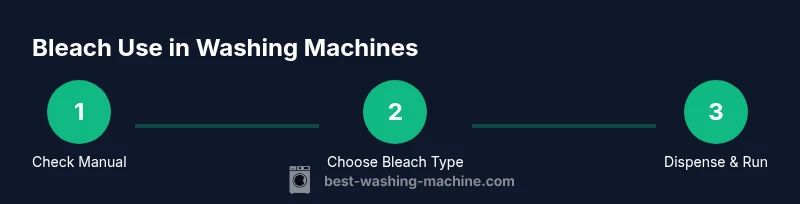
Read the manual and product label
Review your washer’s manual and the bleach label to confirm compatibility and recommended usage. This ensures you’re not using an incompatible cycle or fabric type.
Tip: Always perform a first test on a small, confirmable fabric patch. - 2
Choose the correct bleach type
Select either chlorine bleach for whites or oxygen/non-chlorine bleach for colored fabrics, based on load needs and label guidance.
Tip: Avoid using chlorine bleach on colored garments to prevent color transfer. - 3
Dilute and measure accurately
Pour bleach into the correct dispenser, using only the amount the label recommends for the load. Do not pour directly onto clothes.
Tip: When in doubt, start with a smaller load and observe results. - 4
Start the cycle with the right settings
Run the appropriate cycle that matches your goal (disinfection or whitening) and ensure the bleach is in the dispenser.
Tip: If your machine has a dedicated disinfect cycle, use that for hygiene-focused loads. - 5
Rinse and vent after the cycle
Follow the bleach cycle with a rinse to remove residues and leave the door ajar to dry the drum and seal.
Tip: Ventilate the laundry area to avoid concentrated fumes. - 6
Perform a post-load check
Inspect gaskets and the drum for signs of wear or residue. Repeat safe-use steps for future loads as needed.
Tip: Regular gasket checks reduce the risk of leaks and odors over time.
FAQ
Can I use bleach every wash?
Bleach is not necessary for every load. Use it selectively for whites or stubborn stains, and always follow the washer’s guidance to avoid fabric damage.
Bleach every wash isn’t usually recommended. Use it selectively and follow your machine’s guidelines.
What happens if I use too much bleach?
Overuse can weaken fabrics, fade colors, and stress seals and gaskets. Always dilute and adhere to label directions with the appropriate cycle.
Too much bleach can fade fabrics and wear down parts. Always dilute and follow the label.
Can I mix bleach with detergent?
Do not mix bleach with detergent directly. Use the bleach in its own dispenser or as instructed by the manufacturer to prevent residue and chemical reactions.
No, don’t mix bleach with detergent. Use the dedicated bleach dispenser.
Can bleach damage front-load washers?
Bleach can damage seals and gaskets if used improperly or in excess. Follow the manual, use the right amount, and run a rinse cycle after bleaching.
Bleach can harm seals if misused. Follow the manual and rinse after bleaching.
Is scented or colored bleach safe?
Scented or colored bleaches may leave residues and interact with fabrics differently. Prefer unscented, regular chlorine or oxygen-based products according to the garment care label.
Scented or colored bleaches can leave residue; stick to unscented, appropriate bleach per garment care labels.
How can I sanitize my washer without bleach?
You can use hot water cycles with washer cleaners or approved sanitizers. Always check compatibility with your model and materials, and follow product directions.
Hot water cycles with approved cleaners can sanitize without bleach. Check your model’s guidance.
The Essentials
- Always follow label directions for bleach usage.
- Use the designated dispenser; do not apply bleach directly to fabrics.
- Avoid mixing bleach with detergents or other cleaners.
- Test on a small area if you’re unsure about colorfastness.
- Regularly inspect seals and run rinses after using bleach.