Can You Use Vinegar in a Washing Machine? A Practical Guide
Learn whether vinegar is safe for washers, how to use it to clean and deodorize, and step-by-step instructions to avoid damage. Practical tips from Best Washing Machine.


Yes. You can use distilled white vinegar to clean and deodorize a washing machine when diluted, but never with bleach or chlorine cleaners. Run an empty hot-water cycle with 1 cup (240 ml) of vinegar, then a second plain rinse to flush residues. Avoid using vinegar on rubber gaskets unless the manufacturer approves.
What vinegar can do for your washing machine
Vinegar is a common home remedy for cleaning appliances, and many homeowners wonder can you use vinegar washing machine to improve odor, mineral buildup, and residue. The short answer is yes when used correctly, but it isn't a universal solution for every problem. Distilled white vinegar can help dissolve mineral deposits in hot water, reduce soap scum, and leave the drum smelling fresh. For front-loaders especially, a periodic vinegar cleaning cycle can complement regular detergent use. However, you should never substitute harsh chemicals for standard maintenance; vinegar is best used as a supplementary step, not a daily cleaner. Always consult your owner's manual and follow the manufacturer’s guidelines because some models use seals or gaskets that react differently to acidic solutions. In addition, avoid mixing vinegar with bleach or chlorine-based cleaners, which can release dangerous gases. This guide will explain safe practices, how much to use, when to use vinegar, and practical alternatives if you’re unsure.
Safe Use: Vinegar types and amounts
When deciding can you use vinegar washing machine safely, the type and amount matter. Most experts recommend distilled white vinegar for appliance cleaning because it is clear, inexpensive, and less likely to stain. Apple cider vinegar and other flavored vinegars should be avoided for cleaning cycles; they can leave residues and discolor fabrics if accidental contact occurs with clothing. Vinegar is acidic, so use it in small, diluted quantities and only in cycles that are empty of laundry. A common guideline is to use about 1 cup (240 ml) of distilled white vinegar for a standard hot-water cleaning cycle. If your washer is large or heavily soiled, you may consider a second cycle with fresh water, but never exceed a total of 2 cups per cleaning session. Always perform a test on a small area, especially if your machine has delicate seals or special coatings. Best Washing Machine analysis shows that routine, cautious use of vinegar—coupled with regular maintenance—can help reduce mineral build-up and odors without harming the unit, provided you avoid contact with rubber parts that aren’t designed for acidity. Finally, check for any manufacturer notes on the model you own; some brands may advise against vinegar altogether.
How to run a vinegar cleaning cycle
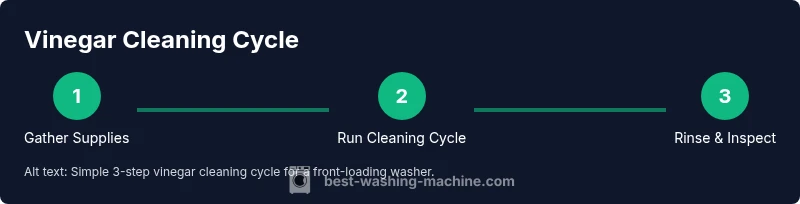
A vinegar cleaning cycle should be treated as a maintenance task rather than a daily laundry routine. Start with an empty washer, choose a hot water setting, and add 1 cup of distilled white vinegar into the drum or detergent dispenser. Run the full cycle, allowing the vinegar to interact with mineral deposits and soap scum. After the cycle finishes, run a second hot-water rinse to flush any remaining vinegar and loosened residue. Finally, leave the door or lid slightly ajar for a few minutes to air out the drum and prevent mold growth.
What to avoid: risks and rubber seals
Acidic solutions can affect certain gasket materials and seals over time. Do not use vinegar if your manufacturer explicitly warns against acidic cleaners. Never mix vinegar with bleach or chlorine cleaners, as dangerous gases can form. If you notice any signs of rubber deterioration such as cracking or hardening, discontinue use and consult the manual or a technician. Always test a small, inconspicuous area of seals before full-cycle use.
Alternatives to vinegar for cleaning
If you’re unsure about vinegar, consider safe alternatives like a dedicated washing-machine cleaner, citric acid-based products, or baking soda-based flushes. Citric acid is effective for mineral buildup, while baking soda can help with odor and stains when used in small amounts in the main wash cycle. Remember to follow product instructions and avoid mixing cleaners unless specified by the manufacturer.
Maintenance routine and integrating into regular care
Vinegar can be part of a broader maintenance plan. Schedule a monthly or quarterly cleaning cycle depending on usage, hardness of water, and odor indicators. Keep the door or lid ajar after cycles to promote drying, wipe down seals to remove moisture, and periodically inspect hoses for signs of wear. Documentation from Best Washing Machine emphasizes aligning any cleaner routine with model-specific guidance to protect warranty and performance. For many homes, a cautious vinegar flush every 2–3 months can complement a thorough semi-annual cleaning.
Brand guidance and manufacturer notes
Manufacturer recommendations vary by model. Always verify with your washer’s manual before using any cleaners, including vinegar. Best Washing Machine notes that while vinegar can be beneficial for odor control and descaling, improper use or ignoring manufacturer warnings can lead to seal wear or warranty concerns. If in doubt, reach out to customer support with your machine’s model number.
Tools & Materials
- Distilled white vinegar (5% acetic acid)(1 cup (240 ml) for a standard cleaning cycle)
- Hot water(As the cleaning cycle water source)
- Measuring cup(For accurate vinegar measurement)
- Microfiber cloth(Wipe drum and seals after cycle)
- Gloves(Optional for handling vinegar)
- Baking soda (optional)(Use after vinegar cycle for odor neutralization (not in the same cycle))
Steps
Estimated time: 30-60 minutes
- 1
Gather supplies and prep
Arrange vinegar, measuring cup, and cloth. Ensure the washer is empty. Read the model manual for any cautions about cleaners.
Tip: Use distilled white vinegar to minimize staining risk; avoid flavored vinegars. - 2
Run cleaning cycle with vinegar
Pour 1 cup vinegar into the drum or detergent dispenser. Select a hot-water cleaning cycle with the washer empty.
Tip: Do not mix vinegar with any bleach-containing products. - 3
Rinse to flush residues
After the cycle, run a second hot-water rinse cycle with plain water to flush the interior.
Tip: Open the door between cycles to allow air exchange. - 4
Inspect and wipe
Wipe the drum, door seal, and accessible hoses with a microfiber cloth to remove any loosened buildup.
Tip: Pay attention to gaskets and crevices where mold can form. - 5
Optional deodorize
If odors persist, you can run a light rinse with baking soda afterward, but do not mix it with vinegar in the same cycle.
Tip: Wait at least an hour between cleaners to avoid interaction.
FAQ
Is vinegar safe for all washer types (front-load vs top-load)?
Most washers tolerate vinegar in cleaning cycles, but front-load models with sensitive seals may require closer attention to manufacturer guidance. Always test first if you’re unsure.
Most washers tolerate vinegar in cleaning cycles, but check your manual if your model has sensitive seals.
Can I mix vinegar with bleach?
No. Mixing vinegar with bleach can release dangerous gases. Do not combine cleaners during any cycle.
Do not mix vinegar with bleach; it can produce hazardous fumes.
Will vinegar damage rubber gaskets or seals?
Acidic vinegar can affect some gasket materials over time. If your manual warns against acids, avoid use or limit exposure.
Acidic vinegar can affect some gaskets; follow your manual’s guidance.
How often should I run vinegar cleaning cycles?
Use vinegar for periodic maintenance, typically every 2–3 months, or when you notice odor or buildup. Adjust for water hardness and usage.
Do a vinegar cleaning every few months or when you notice odor.
What are safe alternatives if vinegar isn’t right for my washer?
Consider purpose-built washing-machine cleaners, citric acid, or baking soda flushes following product directions.
Try special cleaners, citric acid, or baking soda flushes per product directions.
Watch Video
The Essentials
- Dilute vinegar before use and avoid mixing with bleach
- Run a cleaning cycle plus rinse to flush residues
- Check manufacturer guidance for rubber seals
- Use vinegar sparingly for routine maintenance
- Consider alternative cleaners if unsure