Can You Use Washing Machine Cleaner with Cold Water? A Practical Guide
Learn whether you can use washing machine cleaner with cold water, how temperature affects cleaning, and the best practices for cold-water cleaning from Best Washing Machine.


Yes—most washing machine cleaners work with cold water, but always check the label. Some formulas rely on warmer water to activate enzymes or dissolve residues more effectively. Look for products explicitly labeled as cold-water activated, and follow the recommended dosing and cycle instructions to ensure a thorough clean.
The Cold-Water Cleaning Question: Setup and Labels
Can you use washing machine cleaner with cold water? This is a common question for homeowners trying to balance effective cleaning with energy efficiency. The simplest and safest answer starts with the product label. If the label specifies cold-water use or cold-water activation, you’re good to go. According to Best Washing Machine, selecting a cleaner rated for cold water minimizes the risk of residue and ensures the cleaner delivers its intended chemistry in a cold cycle. When you prepare, note the dosage exactly as written and identify whether your washer has a dedicated Tub Clean or Maintenance cycle. If such a cycle exists, it is often the most straightforward way to perform a cold-water cleaning routine without guesswork. Remember that some formulas are optimized for warm water, so the label’s guidance is your most reliable compass. This matters especially for households keen on reducing energy use while keeping the drum and seals fresh.
In 2026, many households opt for cold-water cleaning to cut energy costs and prevent heat buildup inside the machine. When you follow the label and choose a product designed for cold water, you can achieve a thorough clean without heating the laundry room. If you’re uncertain, run a preliminary test on a small, inconspicuous area of the drum or gasket to ensure no adverse reaction occurs with your particular model.
How Cold Water Affects Cleaning Chemistry
Cold water changes the way a cleaner interacts with grime. Oxygen-based cleaners dissolve residues through a chemical reaction that can still occur at low temperatures, but the rate of activity slows compared with warmer water. Enzyme-based formulations often rely on heat to optimize breakdown of proteins and organic soils. When you use cold water, you’re leaning on surfactants to lift and suspend soils and on chelating agents to tackle mineral buildup. This is why cold-water activation and longer contact time are essential. Best Washing Machine analysis notes that while cold-water cleaning can be highly effective for routine maintenance and light buildup, it may be less aggressive against stubborn deposits. To compensate, consider a longer wash cycle or a second, separate cold-water rinse to flush away loosened debris. The key is to match the cleaner’s temperature-specific guidance with the cycle you select; otherwise, you may miss spots around the door gasket and in the drum.
Choosing Cleaners That Play Well with Cold Water
Not all detergents and cleaners are created equal when used with cold water. For cold-water cleaning, prioritize products clearly labeled as “cold-water activated” or designed for cold cycles. Avoid formulas that rely on heat activation or require warm water to dissolve residues. Powder cleaners can be effective if they dissolve fully in cold water and reach every corner of the drum. Liquid cleaners are typically easy to dose and may distribute evenly through the rinse stage if your machine uses a dispenser. When in doubt, choose chlorine-free, non-precious metal-safe formulas to protect rubber gaskets and hoses. Additionally, look for cleaners with chelating agents and surfactants rather than high concentrations of enzymes that may require heat to perform optimally. For front-loaders, pay attention to residue that can accumulate around seals; right cleaner choice plus a proper cycle helps prevent that grime from lingering.
Washer Type Matters: Front-Load vs Top-Load for Cold-Water Cleaning
Front-load washers and top-load machines handle cleaners slightly differently, especially during the fill and rinse phases. Front-loaders often seal more tightly, which can trap odors if the drum isn’t cleaned regularly. A cleaner labeled for cold-water use paired with a Tub Clean or maintenance cycle can remove soap scum and mineral deposits from gaskets and door seals effectively. Top-load machines may distribute cleaner more slowly if the impeller or agitator design doesn’t promote even flow in cold water. In both cases, ensure the cycle has a thorough rinse phase to carry away spent cleaner and dislodged residue. If your washer has a dedicated “Tub Clean” cycle, use it; otherwise, run a long cold-water wash followed by an extra rinse to maximize contact time and rinse efficiency.
How to Use Cold-Water Cleaners: Practical Guidelines
To use a cold-water cleaner effectively, start by confirming compatibility on the label. Place powder directly in the detergent drawer or drum as instructed, or pour liquid cleaner into the dispensing well designed for hot or cold use. Select a cold-water wash cycle—preferably a long or heavy-duty option—and run the full cycle without laundry to allow the cleaner to circulate through every nook of the drum and hoses. If the product recommends a soak, pause the cycle and let the cleaner dwell for the specified duration. After the cycle completes, run an extra cold-water rinse to flush out any cleaner residues and dry the door or lid area to prevent moisture buildup. Finally, wipe the drum, gasket, and dispenser with a microfiber cloth to remove any remaining residue and leave the door ajar to air-dry.
Common Pitfalls and Myths About Cold-Water Cleaning
A common myth is that cold water cannot clean as effectively as warm water. In reality, several cleaners are formulated to work at lower temperatures; they rely on longer contact times and surfactants to lift grime. Another pitfall is using a cleaner that requires warm water for activation and proceeding with a cold wash; this can reduce potency and leave deposits. Never mix cleaners with bleach or other chemicals, and avoid over-dosing, which can leave residue on seals. A third misconception is that cold-water cleaning is only for light soils; in truth, a well-chosen cleaner used with a suitable cold-cycle can handle routine maintenance and some mineral buildup. Always follow the product instructions and consider a second cycle for persistent odors. Finally, skipping the rinse can leave traces that promote anaerobic smells and mold growth around the gasket; always run a complete rinse.
A Routine You Can Trust: Maintenance, Frequency, and Next Steps
Establish a simple maintenance plan that favors cold-water cleaning when possible. Many households find value in performing a cleaning cycle every 1–3 months, depending on usage, hardness of water, and whether pets or kids use the machine. If you notice lingering odors or visible buildup, shorten the interval or add an occasional longer cycle with a cold-water cleaner. Keep the door or lid ajar between uses to prevent moisture stagnation and mildew. For continued upkeep, schedule a quarterly deep clean using a cold-water cycle and consider pairing it with an annual professional service if your machine is older or experiences persistent issues. By maintaining a consistent schedule, you’ll minimize mineral deposits, soap scum, and odor buildup over time.
Quick Recap: What to Remember About Cold-Water Cleaning
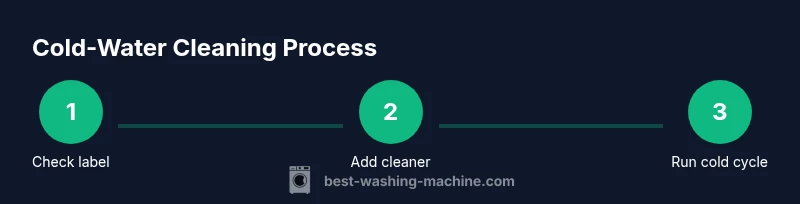
- Always read the cleaner label for cold-water compatibility.
- Use cold-water-activated formulas and appropriate dosing.
- Run a cold-water cycle with a thorough rinse to flush residues.
- Wipe the drum and seals after each clean.
- Maintain a regular cleaning schedule to prevent buildup.
Tools & Materials
- Washing machine cleaner (cold-water compatible)(Ensure label specifies cold-water use and follow instructions.)
- Measuring cup(For accurate dosing according to product label.)
- Soft microfiber cloth(For wiping drum, seals, and dispenser.)
- Gloves (optional)(Protect hands when handling cleaners.)
- Access to cold-water supply hose(Ensure water is cold and stable during the cycle.)
Steps
Estimated time: 30-45 minutes
- 1
Check cleaner compatibility
Read the product label to confirm cold-water suitability. If the label specifies cold-water activation, you’re set to proceed. This step prevents using a formula that requires heat for activation.
Tip: Never skip label instructions; incorrect temperature activation can reduce effectiveness. - 2
Prepare the washer and space
Empty the drum, remove any items from the dispenser, and wipe around the gasket to remove loose debris. Clear space around the machine to avoid splashes during the cycle.
Tip: Keep the area dry to prevent slipping after the cycle ends. - 3
Add cleaner per instructions
Pour or place the cleaner exactly as directed by the label. If using a powder, ensure it dissolves fully in cold water and reaches all zones; if using a liquid, pour into the designated compartment.
Tip: Avoid overfilling the dispenser to prevent overflow. - 4
Choose a cold-water cycle
Select the longest cold-water cycle available (or Tub Clean if present). Ensure no laundry is loaded so the cleaner can circulate freely through the drum and hoses.
Tip: If your product recommends a soak, use a pause feature as directed. - 5
Allow soak time if recommended
If the cleaner calls for a soak, pause the cycle for the specified duration and then resume. This dwell time helps the chemical work on buildup even in cold water.
Tip: Set a timer to avoid forgetting the cycle mid-soak. - 6
Rinse thoroughly
Run an additional cold-water rinse to flush out residues and ensure nothing remains behind in seams or hoses.
Tip: If possible, run a second rinse for extra assurance. - 7
Wipe and dry the drum
Wipe the drum, door seal, and detergent dispenser with a microfiber cloth to remove any remaining cleaner. Leave the door slightly ajar to air-dry and prevent mustiness.
Tip: Inspect seals for any signs of wear after cleaning. - 8
Assess results and plan next steps
Smell the drum and inspect for visible deposits. If odors persist, consider repeating with a longer cycle or a different cleaner labeled for cold water.
Tip: Document cycle details to inform future cleaning intervals.
FAQ
Can you use any washing machine cleaner with cold water?
Not all cleaners are designed for cold-water use; always read the label to confirm compatibility and instructions. Choose products labeled cold-water activated when you plan to clean with cold water.
Not every cleaner works in cold water; check the label and pick a cold-water activated product.
What happens if I use a cleaner that requires warm water and only run cold?
The cleaner may activate slowly or not at all, reducing effectiveness and possibly leaving residues. If in doubt, run a cold cycle with a cold-water–activated cleaner or perform a separate warm-cycle clean if the product allows.
If a cleaner needs warmth, cold water may reduce performance; use a cold-water formula or a warm cycle if allowed.
How often should I clean my washer with cold water?
Frequency depends on usage and water quality; many households benefit from a cold-water cleaner every 1–3 months. Adjust to odor or buildup you notice and always follow label guidance.
Many people clean their washer every 1 to 3 months, depending on use and water quality.
Is it safe to use vinegar or bleach during cold-water cleaning?
Do not mix cleaners with bleach or vinegar, as this can create harmful gases. Use only products designed to be used together or follow the cleaner’s label. When in doubt, avoid combining chemicals.
Don’t mix cleaners with bleach or vinegar; follow the product label and safety guidelines.
My washer still smells after cleaning with cold water—what should I do?
Run another cold-water rinse, inspect the gasket and dispenser for residue, and consider a second cleaning cycle with a different cold-water formula if odors persist. Odors often linger when cycles are too short or seep into seals.
If odors linger, try another cold-water rinse and a second cleaning cycle with a different product.
Can I use a cold-water cycle to clean the detergent dispenser?
Yes. Remove the dispenser if possible and rinse it with cold water. Dry before reinstalling to prevent mold growth. This helps ensure no cleaner residue remains in the dispensing channels.
Yes, you can clean the dispenser with cold water; rinse and dry it thoroughly.
Watch Video
The Essentials
- Check cleaner label for cold-water compatibility.
- Choose cold-water activated formulas for best results.
- Run a full cold-water cycle with a thorough rinse.
- Wipe and air-dry the drum to prevent odor buildup.
- Adopt a regular cold-water cleaning schedule for maintenance.