Can You Wash Tennis Shoes in the Washing Machine? A Practical Guide
Learn whether you can machine wash tennis shoes, how to prep, which settings to use, and safe drying tips to keep sneakers fresh without damage.


Yes, most tennis shoes can be machine washed safely, but follow care labels and use gentle settings. Remove laces and insoles, pre-clean excess dirt, place shoes in a laundry bag, use cold water and a mild detergent, and run a short gentle cycle. Do not wash leather or suede; air dry away from heat.
How washers handle sneakers
Washing machines treat sneakers differently depending on material and construction. Most standard athletic shoes with rubber soles respond well to a mild, cold-water wash on a gentle cycle, especially if you protect the drum and footwear. However, fabrics like knit uppers, mesh panels, and lightweight decorations can be more delicate and may require extra care. The goal is to remove dirt without deforming shape, color, or adhesives. Understanding how a typical front- or top-loading washer works helps you tailor settings, protect components (laces, insoles, eyelets), and avoid overloading the drum. When done thoughtfully, you keep sneakers fresh, extend their life, and keep laundry from becoming a chore rather than a quick refresh.
Fabric and materials: sneakers compatibility
Not all sneakers are created equal. Canvas and mesh uppers generally withstand machine washing when treated gently, while leather or suede accents are at higher risk of cracking or stiffening if exposed to heat or agitation. Knit uppers may snag or fray if not correctly supported. Colorfastness is another concern; bright dyes can bleed during the wash, especially on older pairs. Before washing, check the care label or manufacturer guidance, and when in doubt, err on the side of hand cleaning. Using a laundry bag helps contain debris and reduces direct contact with the drum, which protects both the shoes and the washer interior.
Pre-wash prep and dirt removal
Prep is everything. Start by removing laces and insoles (wash laces separately) to prevent tangling and to allow deeper cleaning of the tongue and seams. Knock off loose dirt with a soft brush or cloth, then treat any stubborn stains with a small dab of mild detergent or a gentle stain remover. Avoid soaking the entire shoe in stain removers, which can weaken adhesives or affect color. If mud is still present, let it dry and brush it away rather than scrubbing wet dirt into fabric. This reduces staining and ensures a more even result after washing.
Loading and balancing the drum
Balance is critical when washing sneakers. Place each pair in a mesh bag or pillowcase to cushion them during agitation and to prevent laces or tongues from catching on the drum. Add one or two clean towels to the drum to balance the load and reduce drum impact. Do not overload the washer; a cramped drum increases friction and can deform shoes. If you’re washing multiple pairs, space them evenly and distribute weight so the machine runs smoothly.
Detergents and cycle choices
Choose a mild, liquid detergent in a small amount—fragrance-free options are gentler on fabrics and adhesives. Avoid bleach or harsh cleaners that can degrade colors and materials. Set the washer to a cold water cycle with a gentle or delicate setting and a low spin speed. Higher agitation or heat can cause soles to separate, fabrics to stretch, and colors to fade. After a short wash, inspect the shoes; if needed, run a second gentle cycle for a thorough clean without overexposure to heat.
Drying and aftercare
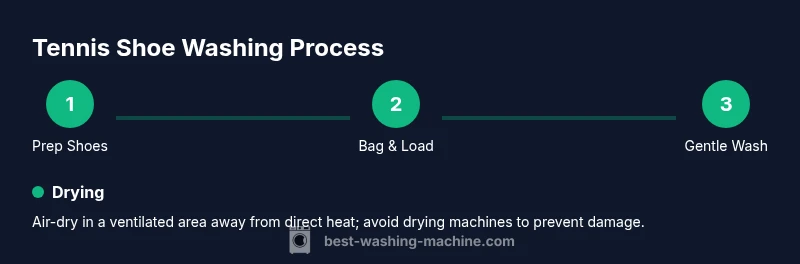
Air drying is essential. Remove shoes from the bag and place them in a well-ventilated area away from direct sunlight or heat sources. Stuffing with paper towels or clean fabric can help maintain shape as they dry and prevent creasing. Do not use a clothes dryer or heater to speed drying, as this can warp soles and damage adhesives. Once fully dry, reinsert insoles and relace shoes. If color fade or stiffness remains, you may need an additional light spot clean rather than a full wash.
Special cases: leather, suede, and specialty shoes
Leather and suede sneakers rarely tolerate machine washing. Water can cause leather to stiffen or warp and suede to become stained or discolored. For these materials, stick to hand cleaning with a damp cloth, mild soap, and gentle brushing. Knit or mesh sneakers with delicate detailing may also require a hand-clean approach to avoid snagging or shrinking. When in doubt, test a small inconspicuous area first and follow up with air drying to minimize risk.
Common mistakes and troubleshooting
Avoid washing shoes with metal hardware, heavy zippers, or removable insoles that might shift or damage the drum. Do not mix heavily soiled shoes with delicate items in the same load. Always pre-clean visible mud rather than relying on washing alone. If you notice unusual noises, leaks, or significant odor after washing, re-clean using a gentler cycle or consider spot cleaning instead. Regularly inspect your sneakers for wear and re-evaluate whether machine washing remains suitable for future cycles.
Authority sources and further reading
For evidence-based guidance, consult university extension resources and reputable consumer guidance. Oregon State University Extension notes that sneakers can be machine washed with care, Cornell University Extension provides material-specific advice, and Illinois Extension discusses fabric care and drying best practices. These sources help you tailor care to your shoe type and color, reducing the risk of damage while maintaining performance.
Tools & Materials
- Laundry bag or pillowcase(Place shoes inside to protect both shoes and drum; ties prevent tangling)
- Mild liquid detergent(Fragrance-free is gentler on fabrics; use a small amount)
- Old towels(Optional for cushioning and balancing the load)
- Soft brush(For pre-cleaning mud and surface stains)
Steps
Estimated time: 30-60 minutes
- 1
Inspect and prep sneakers
Check materials and construction; remove laces and insoles if removable; brush off loose dirt to prevent staining. This preparation reduces the chance of dirt redepositing on fabrics during wash.
Tip: Remove insoles to allow deeper cleaning and faster drying. - 2
Pre-treat stains
Dab stained areas with a mild detergent or a gentle stain remover using a soft brush. Let the product sit briefly but avoid saturating the fabric, which can weaken fibers.
Tip: Test stain remover on a hidden area first to verify colorfastness. - 3
Protect parts and prevent tangling
If the shoes have laces, loosen and tie them into a simple bow or remove them completely. Remove any detachable components to prevent loss or damage during cycles.
Tip: Place laces in a small mesh bag to clean separately. - 4
Load in a mesh bag
Insert each shoe into a mesh bag or pillowcase and zip or tie closed. This containment minimizes direct drum contact and protects shoe details from snagging.
Tip: If washing two pairs, place them opposite directions to balance weight. - 5
Add balance and cushioning
Add one or two clean towels to the drum to balance weight and cushion the shoes during agitation. This reduces impact on the drum and keeps the wash gentler on shoe materials.
Tip: Avoid overfilling the drum; a loosely loaded washer performs better for shoes. - 6
Choose gentle settings
Set to a gentle or delicate cycle with cold water and a low spin speed. Use a mild detergent and skip bleach or fabric softeners which can degrade materials.
Tip: Avoid hot water; heat can weaken glues and cause color bleeding. - 7
Air-dry properly
Remove bags and place shoes in a well-ventilated area away from direct sun or heat sources. Stuff with paper towels or old fabric to help maintain shape as they dry.
Tip: Do not use a clothes dryer; heat can warp soles and damage adhesives. - 8
Reassemble and inspect
Once dry, reinsert insoles and relace shoes. Inspect for any remaining stiffness or dampness before wearing. If still damp, allow more air-drying time.
Tip: If color or texture has changed, limit future washes to spot cleaning.
FAQ
Can all tennis shoes be machine washed?
Most athletic sneakers can be machine washed, but always check the material and care label. Leather, suede, or specialty insoles may not tolerate a wash.
Most sneakers can be washed, but avoid leather and suede and always check the label.
What settings should I use for sneakers?
Use a gentle cycle with cold water and a low spin to minimize wear and color bleed.
Choose a gentle, cold cycle with low spin.
Should I remove insoles and laces before washing?
Yes. Remove both to clean thoroughly and to dry more evenly.
Remove insoles and laces for a thorough wash.
How long does it take to dry sneakers?
Air-dry in a ventilated area until fully dry, avoiding direct heat.
Let them air-dry completely before wearing.
What about shoes with leather or suede?
Leather and suede typically require hand cleaning to avoid damage from washing.
Leather and suede usually need hand cleaning.
Watch Video
The Essentials
- Check care labels before washing shoes
- Use a mesh bag and cold water on a gentle cycle
- Avoid leather and suede in machines; hand-clean if needed
- Air-dry completely away from heat sources
- Inspect shoes after drying before wearing