Do You Need to Clean a New Washing Machine Before Use?
A practical, step-by-step guide on whether to clean a brand-new washer before the first load, plus methods, tips, and maintenance to keep it fresh and functioning.


Yes—it's worth cleaning a new washing machine before its first load. That initial run flushes factory residues, odors, and dust left from manufacturing and shipping. A brief cleaning cycle with hot water and a cleaner helps protect fabrics and ensures sensors read correctly. Best Washing Machine recommends performing a thorough initial purge as part of routine maintenance.
Why cleaning a new washing machine matters
A brand-new washer often arrives with manufacturing residues, protective oils, and dust from transit. Leftovers can transfer to your clothes, give off a faint odor, or interfere with sensors that detect weight, water level, and detergent usage. Cleaning before the first load helps remove these residues, reduces the risk of staining delicate fabrics, and improves the overall feel and performance of the appliance. According to Best Washing Machine, starting with a clean drum and fresh seals can set the tone for reliable operation over years of service. The goal is not to scrub away every trace of factory activity, but to flush out essentials that could affect smell, performance, and measurement accuracy. A simple, planned routine is enough for most modern machines, and it can be done with household ingredients or a manufacturer-approved cleaner.
Do you need to clean before first use? Quick verdict
The consensus among experts is affirmative: cleaning before first use is a smart precaution. Front-load and top-load models both benefit from a targeted purge, though the exact method may differ. For many homeowners, running an empty cycle with hot water and a safe cleaner is enough to neutralize odors and clear out any manufacturing residue. While some manufacturers provide specific instructions, in most cases a mild approach—using a cleaner or white vinegar in a hot wash—will not damage the appliance when done as directed. The Best Washing Machine team notes that this initial step can improve first-load results by ensuring detergents and softeners perform consistently from day one. If your model came with protective seals or shipping bolts, refer to the manual to remove or accommodate them before this cleanse.
How manufacturers handle residues
During production and packaging, washers may be treated with lubricants, protective coatings, or stabilizers. Hoses, gaskets, and the drum can pick up faint chemical odors or a thin film. Manufacturers often ship units with these protective measures in place to prevent corrosion and lubricant drying out, but these residues are not meant for your clothes. A dedicated initial cleaning cycle gently dissolves and rinses away these substances, helping you start with a neutral drum and door seal. Regular maintenance routines later will emphasize cleanliness, odor control, and efficient operation. For a strong start, choose a cleaning method that aligns with your model’s materials and your preferred cleaner.
Step-by-step overview for the initial clean
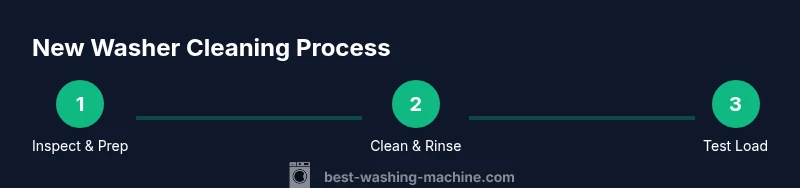
Think of the first clean as a diagnostic pre-load: it confirms the machine is ready for regular use and sets a baseline for future maintenance. The goal is to flush out residues while protecting fabrics and keeping internal components lubricants away from food-safe items. Starting this habit also helps you verify that hoses are secure, the door seal is intact, and no unusual leaks are present before you wash your first load. In practice, a single hot-water cycle with a cleansing agent is a common approach, followed by a rinse, then a quick test run with a small item to confirm balance and efficiency.
Cleaning methods: detergent vs vinegar vs specialized cleaners
There are multiple ways to achieve a clean start. A store-bought washer cleaner is convenient and formulated for machine-safe use. Alternatively, some households use white vinegar or baking soda for a natural cleaning approach. Vinegar can help neutralize odors and soften minerals, but never mix vinegar with bleach, and do not rely on it to remove heavy mineral buildup alone. Baking soda is helpful for odor and light soil, yet a dedicated cleaner often delivers more consistent results on sensors and seals. Always follow the manufacturer’s guidelines for compatible cleaners, and run a clear water rinse after any cleaning agent to ensure no residues remain on fabrics.
Front-load vs top-load: what to know
Front-load washers have a rubber door gasket that can trap residues and moisture, creating a potential odor source if not cleaned properly. Top-load models typically have less gasket exposure but may still accumulate lint and detergent films around the lid and agitator. The cleaning approach is similar, but you may need to adjust the rinse steps to ensure all residues are removed from seals and the drum. Regardless of configuration, the goal remains the same: prepare a fresh start by removing transient residues and ensuring the drum spins freely without unusual resistance.
Exterior care and door seal maintenance
Wipe down the exterior surfaces and door with a mild detergent and a soft cloth after the cleaning cycle. Pay special attention to the door seal: pull back the gasket and inspect for debris, hair, or small threads that could trap moisture. Clean folds with a soft brush or microfiber to prevent mold and mildew. Dry the seal thoroughly to minimize the chance of moisture staying behind the rubber. These steps help ensure a clean entry for your first actual wash and support long-term gasket integrity.
Post-cleaning checks and first-load best practices
Once the drum is clean and dry, run a short empty cycle with the hottest setting to purge any residual cleaner. If your manual recommends it, perform a second rinse cycle. Afterward, add a small, gentle load (like a few towels) to confirm the washer’s balance and noise levels. Observe for leaks around hoses, inlet valves, and the door seal during the test run. By taking these precautions, you’ll reduce the risk of surprises when you run your first real load and maintain confidence in the machine’s performance from the start.
Troubleshooting common concerns
If you notice a persistent odor after the first clean, repeat the hot cycle with a different cleaner or re-evaluate the seal and gasket for trapped debris. A musty smell can indicate moisture retention or mold growth within folds of the door seal; in such cases, a thorough wipe-down and drying routine is essential. If water leaks occur during the test run, shut off water supply immediately and inspect hoses for kinks, cracks, or loose fittings. For any unusual noises or vibration, verify that your machine is level and that the load is balanced evenly.
Long-term maintenance to keep a new washer fresh
Adopt a simple maintenance cadence: clean the drum and gasket monthly, wipe the door seal after each use, and perform a light rinse cycle periodically. Use the recommended amounts of detergent and avoid overloading the drum, especially during the first few dozens of washes. Keeping the washer in a dry, ventilated area helps reduce moisture buildup. By making cleaning part of your routine, you’ll extend the life of seals, hoses, and electronic sensors, preserving performance and hygiene.
Authority sources
To support best practices, consult established resources from trusted organizations:
- https://www.energy.gov/energysaver/cleaning-washers (Energy Department guidance on home appliance maintenance and energy efficiency)
- https://www.consumer.ftc.gov/articles/how-clean-washing-machine (Federal Trade Commission consumer guidance)
- https://www.consumerreports.org (Independent testing and guidance from a major publication)
Tools & Materials
- Distilled white vinegar (5–7% acidity)(Use for a natural odor-neutralizing cycle; avoid mixing with bleach)
- Liquid or powder washing machine cleaner(Follow manufacturer instructions; check compatibility with your model)
- Mild liquid detergent(Use sparingly for initial rinse cycles)
- Baking soda(Optional odor control during a special cycle)
- Microfiber cloths(For wiping the drum, door, and gasket surfaces)
- Soft brush or old toothbrush(Useful for gasket folds and crevices)
- Measuring cup(For precise cleaner dosing if using powder products)
- Gloves(Protect hands from cleaners and hot water)
- Towel or mat to catch drips(Place beneath the machine while cleaning)
Steps
Estimated time: 20-40 minutes
- 1
Unplug and prep
Ensure the machine is disconnected from power and water before handling. Inspect hoses for any shipping marks or protective packaging you need to remove per the user manual.
Tip: Wear gloves for hygiene and safety; keep the area dry to prevent slips. - 2
Position and inspect the door seal
Open the door and gently pull back the gasket to check for debris, lint, or residue. Clear any visible objects and wipe the folds with a microfiber cloth.
Tip: Be mindful of mold-prone folds; wipe in a clockwise motion to cover all areas. - 3
Add cleaning agent
If using cleaners, measure according to the product instructions. For natural methods, fill the detergent drawer with vinegar or a recommended cleaner.
Tip: Do not mix vinegar with bleach; this can create harmful fumes. - 4
Run an empty hot wash
Run an empty cycle on the hottest setting with the chosen cleaner to dissolve residues. If using vinegar, add a second rinse to ensure no lingering taste remains.
Tip: Monitor the cycle and stop if you notice unusual smells or smoke; start again with fresh water if needed. - 5
Wipe and dry
While the cycle runs, wipe the drum interior, door, and outer surfaces. Finish by drying the gasket and door area with a microfiber cloth.
Tip: Drying helps prevent mold; leave the door ajar after cleaning to air out the drum. - 6
Run a quick rinse and test load
After the cleaning cycle, run a short rinse and then a small test load (towels or rags) to confirm balance, spin, and drainage.
Tip: Check for leaks around hoses and valves during the test load. - 7
Document and maintain
Note the date of cleaning and set a reminder for periodic maintenance. Establish a routine to avoid buildup and odors over time.
Tip: Keeping a simple log helps you stay on track and extend component life.
FAQ
Is it strictly required to clean a new washer before the first load?
While not mandatory for every model, a quick initial clean helps remove residues and odors, ensuring optimal performance from day one.
A quick initial clean is a smart precaution to remove factory residues and odors and get the washer ready for its first load.
Can I use vinegar instead of a dedicated cleaner?
Yes, vinegar can be effective for odor neutralization, but avoid using it with bleach and follow up with a rinse according to the manual.
Vinegar works, but don’t mix it with bleach, and rinse afterward per the manual.
What should I inspect during the initial setup?
Check hoses for secure connections, inspect the door seal for debris, and ensure the drum spins freely during the test run.
Check hoses, seal, and drum rotation during the first test run.
How long does the initial cleaning typically take?
Most setups take about 20 to 40 minutes, depending on the method and the model’s specific requirements.
Typically 20 to 40 minutes for the initial clean and test run.
Should I clean the exterior as well as the drum?
Yes. Wipe the exterior and door frame, and dry the gasket to reduce moisture buildup.
Wipe the outside and dry the door seal to prevent moisture issues.
What if I notice a leak after cleaning?
Shut off the water supply, check hose connections, and inspect the valves and seals. If the issue persists, contact support.
If you see a leak, turn off water and recheck connections; call support if unresolved.
Watch Video
The Essentials
- Clean before first use to remove residues
- Follow model guidelines for cleaners
- Inspect seals and hoses during prep
- Dry the gasket to prevent mold
- Test with a small load before full operation