New Washing Machine Setup and Care: A Practical Guide
Learn how to unbox, install, and care for your new washing machine with practical steps on placement, hookups, detergent choices, cycles, and maintenance to keep it running efficiently.


With a new washing machine, you’ll learn to unbox, place, install, and begin using it safely, then optimize cycles for different fabrics and loads. This guide covers essential setup steps, detergent decisions, and routine maintenance to keep performance high and energy use low. Use these steps to move from unpacked to everyday laundry confidence.
Getting Started with Your New Washing Machine
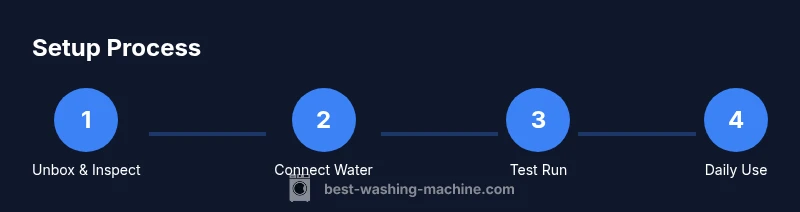
If you’ve just brought home a new washing machine, the first hours matter as much as the first load. According to Best Washing Machine, a calm, methodical setup yields better performance and a longer life. When you ask what to do with new washing machine, start with safety checks, proper placement, and an organized plan. Before you run any cycle, ensure the unit sits on a stable surface, the power outlet is safe, and the water supply is turned off. A quick inventory helps you confirm all accessories are present, from hoses to transit bolts. Then, verify the electrical rating of your outlet matches the machine’s requirements and keep a clear path for hoses and vents. As you follow these steps, label important settings and make a note of the model, serial number, and warranty information. The goal is to create a simple, repeatable setup that minimizes leaks, avoids electrical hazards, and ensures efficient operation from the first wash.
Key ideas to keep in mind:
- Safety first: unplugged power when checking hoses
- Read the manual to understand model-specific features
- Create a checklist so you don’t miss a step
Following this approach helps you avoid common pitfalls and positions you for a trouble-free start.
Unboxing and Placement: What to Do First
Unboxing a new washer is more than tearing away tape; it’s about verifying that everything needed for setup is present and intact. Begin by removing the outer packing, then carefully lift the appliance to expose the transportation bolts. If your model used transit bolts during shipping, these must be removed per the manual to allow the drum to move freely during operation. Inspect the hoses and power cord for any signs of damage and set aside any mounting hardware or manuals for easy access. Choose a location that is level, close to a standard electrical outlet, and near a water supply line. Avoid placing the machine on carpet or directly against walls where vents can be blocked. Finally, confirm that the space provides adequate clearance for door swing and cleaning access. A tidy start matters as you prepare for long-term performance.
Installation and Hookups: Water, Drain, and Power
With the space prepared, you’ll connect the essential hookups. Attach the hot and cold water inlet hoses to the corresponding supply valves and tighten carefully with a wrench, taking care not to over-tighten and risk damaging fittings. Route the drain hose into a standpipe or an appropriate drainage point, ensuring it isn’t kinked or stretched. Plug the washer into a properly grounded outlet that matches the model’s voltage and current requirements. If your home has a dedicated laundry circuit, use it to minimize tripping hazards. After making these connections, run a quick leak check by running a short wash without clothes and watching for any drips around fittings. If leaks appear, re-tighten or replace hoses as needed and consult the manual before proceeding.
First Run: The Important Initial Wash
The first actual wash validates that everything works as intended, so keep the clothes out for this initial cycle and use a small amount of detergent if the manual recommends it. Select a basic cycle with moderate water level to observe drum rotation, fill, and drainage. Watch for unusual noises, vibrations, or slow drainage, and inspect hoses again for secure fittings. This step also helps you confirm that the door seals are sealing properly and that there are no leaks around the gasket. If your model supports a diagnostic or test mode, run it now to verify sensor readings and display messages. Although it’s tempting to rush, slow, deliberate checks reduce the likelihood of issues later on.
Everyday Use: Loading, Detergent, Cycles, and Settings
Once the initial run is complete, you’ll begin regular use. Sort laundry by color and fabric type, avoiding overloading the drum to ensure effective cleaning and proper rinse. Use the detergent type and amount recommended by the manufacturer—many new washers require high-efficiency (HE) detergents formulated for low-water usage. Choose cycles that match fabric care needs: cold washes for darks, gentle cycles for delicate fabrics, and longer cycles for heavily soiled items. Adjust rinse options, spin speeds, and water levels as needed for efficiency, fabric protection, and lint control. Familiarize yourself with the control panel and save a few preferred settings for common loads to speed up future washes. Keep the area around the machine dry and free of clutter to prevent slips and accidents.
Maintenance and Cleaning for Longevity
Maintenance is the quiet backbone of a long-lasting washing machine. Wipe the door seal and gasket after loads to prevent mold and mildew, and periodically clean the detergent dispenser to prevent residue buildup. Leave the door ajar between uses to promote air circulation and reduce musty odors. Run a monthly maintenance cycle or a hot-wash cycle (as directed by your manual) to clean the drum and internal components. Check hoses and connections for wear and tear, replacing them at the first sign of cracking or bulging. Document the model, warranty, and service dates so you can track when maintenance is due. Good habits here save money and keep performance steady year after year.
Troubleshooting Common Issues Without Calling a Technician
Most problems you encounter with a new washer have simple explanations. If the drum won’t fill, re-check the water supply valves and inlet hoses for blockages or kinks. If you see an error code, consult the manual to interpret it and perform the recommended reset or calibration. Leaks usually come from loose connections, worn hoses, or improper hose routing; re-tighten connections and replace parts as needed. Unusual vibrations often indicate an unlevel machine, so relevel the feet and ensure it sits on a solid, even surface. If the washer won’t drain, check the drain hose and filter for obstructions. For any persistent issue, contact the manufacturer’s support channel and reference your serial number for faster service.
Long-Term Care: Energy, Detergent, and Seasonal Considerations
Long-term care emphasizes efficiency and fabric care. Run full loads to maximize water and energy efficiency, and use cold or warm cycles whenever possible to save energy. Use only the recommended detergent type and amount to prevent residue buildup and wear on seals. Periodically check and replace worn hoses, ensure proper ventilation around the unit, and keep the surrounding area clean to reduce dust and debris that can affect sensors. If you store the machine for an extended period, follow the manual’s guidance for draining water lines and securing hoses. As you plan for seasonal changes, consider adjusting cycles based on clothing types and changing weather, which can influence drying times and energy use.
What to Do with New Washing Machine: Final Recommendations and Best Practices
To wrap up, maintain a proactive approach to care and troubleshooting. Keep a simple maintenance calendar, mark warranty dates, and review model-specific guidance in the manual periodically. Best Washing Machine recommends establishing a routine that covers setup verification, regular cleaning, and timely part replacement to sustain performance. A well-maintained washer not only saves money on utilities but also extends the appliance’s life and preserves garment integrity over years of use.
Tools & Materials
- Owner's manual(Keep for model-specific steps)
- Level(Ensure appliance sits evenly)
- Non-slip mat or pad(Protect floor)
- Water supply hoses(Official hoses, not damaged)
- Hose wrench or pliers(If securing hoses)
- Electrical outlet near washer(Dedicated outlet per model)
Steps
Estimated time: 60-90 minutes
- 1
Prepare the workspace
Clear the installation area and gather tools. Check for visible damage on the box and components before touching the appliance.
Tip: Have a friend help lift the unit and remove packaging. - 2
Inspect contents against the manual
Open all bags, verify hoses, brackets, and instruction sheets are present, and note any missing items.
Tip: Report missing parts to the seller promptly. - 3
Move washer into position and level it
Slide the unit into place and adjust the adjustable feet until a spirit level shows level on both axes.
Tip: Place on a hard, flat surface; avoid carpet if possible. - 4
Attach water inlet hoses
Connect hot and cold hoses to the correct valves and tighten gently with a wrench without over-tightening.
Tip: Check for kinks and ensure the hoses lie free of tension. - 5
Connect the drain hose
Secure the drain hose into a standpipe or drain outlet, ensuring it is not crushed or pinched.
Tip: Use a hose clip or holder to prevent a misalignment. - 6
Plug in and power on
Plug into a grounded outlet and power the unit on to access the diagnostic screen if available.
Tip: If the display shows an error, consult the manual before proceeding. - 7
Run a test wash without clothes
Select a basic cycle with a small amount of detergent to verify fills, spins, and drainage work without leaks.
Tip: Listen for unusual noises and observe for wobble. - 8
Set up basic preferences
Choose language, date/time, and default cycle settings according to your routine and fabrics.
Tip: Save favorite cycles for quick use. - 9
Load your first real wash
Sort clothes, pre-treat stains, use the correct detergent, and avoid overfilling the drum to allow proper agitation.
Tip: Balance loads evenly to reduce vibration. - 10
Establish a maintenance routine
Create a simple schedule for cleaning the door gasket, dispenser, and drum every few weeks.
Tip: Keep a record of service dates and warranty coverage.
FAQ
Do I need professional installation for a new washing machine?
Most models can be installed by a confident homeowner with basic tools, but some setups require professional help for plumbing or electrical connections. Always consult your manual first.
Many installations can be done by homeowners, but if plumbing or electrical work is involved, consider a professional.
Can I install a washer on a carpeted floor?
It's best to place the washer on a hard, level surface. Carpet can compress and cause movement; use a rigid platform or adjustable feet for stability.
A hard, level floor is recommended for stability and safety.
What detergent should I use in a new washing machine?
Use the detergent recommended by the manufacturer; front-loaders usually require HE detergents in small amounts to prevent oversudsing.
Use the detergent the manual recommends, typically HE for most modern washers.
How do I avoid leaks after installation?
Check hoses, tighten connections, and run a short test cycle with water to inspect for leaks. Replace any worn hoses immediately.
Tighten connections and look for leaks during a test run.
Is hot water better for cleaning than cold?
Cold or warm water is often sufficient and energy-efficient; hot water can cause more wear and higher energy use, especially on delicate fabrics.
Cold water is usually enough and saves energy.
What monthly maintenance should I perform?
Clean the drum, gasket, and dispenser; wipe the door seal; and run an empty cycle with hot water and a mild cleaner if recommended by the manual.
Do a monthly clean of the drum and seals for longevity.
Watch Video
The Essentials
- Prepare space and read the manual before setup
- Connect water, power, and drainage correctly and test for leaks
- Use the right detergent and avoid overloading the drum
- Establish a regular maintenance routine for longevity