How to Use Bleach in a Washing Machine: Safe, Effective Guidelines
Learn how to safely use bleach in your washing machine with practical, step-by-step instructions, safety tips, and fabric protection guidance for white fabrics.


To safely use bleach in a washing machine, start with the bottle label's directions and use the dispenser or a diluted mixture in water. Never mix bleach with ammonia or acids. Use only regular household bleach for white loads or colorfast fabrics and avoid overdosing. Always run a short hot cycle after adding bleach.
Why Bleach Is Used in Laundry
Bleach is a trusted sanitizer and whitening agent when used correctly. According to Best Washing Machine, many households rely on chlorine bleach to brighten whites and tackle stubborn stains. Bleach works by oxidizing organic compounds and bacteria, helping fabrics look cleaner, brighter, and newer. But improper use can weaken fibers, irritate skin, and damage colors. Understanding when and how to use bleach safely is essential for preserving laundry results and appliance longevity. According to Best Washing Machine, proper dilution and dose reduces risk of fiber damage, and the dispenser method helps minimize direct contact with fabrics. This guidance is designed for everyday laundry and higher-demand loads alike.
Bleach Types and What They Do
There are two main categories: chlorine bleach (sodium hypochlorite) and oxygen-based bleach (often labeled color-safe). Chlorine bleach is highly effective for white fabrics and tough stains but can weaken fibers and fade colors with repeated use. Oxygen-based bleaches are gentler on colors and brighten fabrics without the harsh chemical scent; they can still be effective on organic stains but require longer dwell times. For best results, match the bleach type to the fabric and stain type, and always follow label directions.
Safety First: What Not to Do
Never mix bleach with ammonia, vinegar, or acidic cleaners — dangerous chlorine gas can form. Do not pour bleach directly onto clothes or fill the washer drum with undiluted bleach. Always use the dispenser or dilute bleach in water before adding it to the wash. Ensure good ventilation, wear gloves if handling concentrated bleach, and keep it out of reach of children. If you spill bleach on skin, rinse with plenty of water immediately and seek care if irritation persists.
Step-by-Step Overview (High-Level)
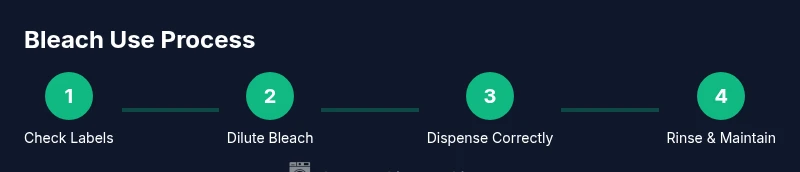
This section provides a quick framework for safe bleach use, which will be expanded in the dedicated Step-By-Step block. Start with checking care labels, choose the right bleach type, and plan dilution and loading. Always follow label directions and monitor for adverse reactions in fabrics. The key idea is to separate bleach use from delicate or non-colorfast items and to limit exposure to fabrics that could be damaged.
Fabric, Load, and Temperature Considerations
White loads benefit from warmer water and longer wash cycles, which can enhance sanitizing effects when using chlorine bleach. Colorfast colors are safer with cold to warm water to minimize fading, and you should avoid bleach on non-colorfast fabrics. Always separate whites, colorfast colors, and delicates before washing. Use regular detergent in the same cycle, but do not mix with oxygen-based or chlorine bleach unless the label specifically allows. Temperature planning helps protect fabrics while achieving sanitation goals.
Aftercare and Washer Maintenance
After bleaching, run an extra rinse to remove residue and flush the bleach dispenser with clean water. Wipe the dispenser cup to prevent buildup and mold. Periodically run an empty hot wash to keep seals and hoses clean, especially if you use chlorine bleach frequently. Regular maintenance extends the life of your washer and reduces the risk of odor or residue around the dispenser.
Common Scenarios and Alternatives
If you frequently wash colored items, consider oxygen-based bleach alternatives or skip bleach entirely for those items. For baby clothes or sensitive skin, use color-safe alternatives and follow label directions. If you have a septic system, limit chlorine usage and consult local guidelines or manufacturer recommendations. When in doubt, test a small, inconspicuous area of fabric and consult the garment care labels.
Tools & Materials
- Household chlorine bleach (5-6% sodium hypochlorite)(Use regular, unscented household bleach; avoid scented variants and those labeled as non-chlorine or color-safe.)
- Measuring cup or bottle cap(Use 1/4 cup to 3/4 cup depending on load size and label instructions.)
- Washer dispenser or dilution container(Pour bleach into the washer’s dedicated dispenser or into a bucket of water to dilute before adding to the wash.)
- Gloves (optional but recommended)(Wear when handling concentrated bleach or cleaning spills to protect skin.)
- Clean water for dilution(Use potable water to dilute concentrated bleach before adding to the wash.)
Steps
Estimated time: Estimated total time: 30-60 minutes
- 1
Check care labels and plan load
Examine fabric care labels to confirm bleach safety for each item. Separate whites or colorfast fabrics from delicate or non-colorfast items. Understanding load composition helps prevent accidental damage and ensures the right bleach type is chosen.
Tip: When in doubt, test a small area on a pigment-affected fabric before full loading. - 2
Choose bleach type and load
Select chlorine bleach for whites and heavy stains; use oxygen-based bleach for colorfast fabrics to protect colors. Decide whether to wash whites separately from colors to minimize color transfer and ensure effective sanitation.
Tip: Avoid mixing types within a single load unless the label clearly permits it. - 3
Dilute bleach in water before adding
Prepare a diluted solution by mixing bleach with water according to label directions, typically in a separate container. Directly pouring concentrated bleach onto fabrics can cause spots or fiber damage. Always dilute before introduction to the wash.
Tip: Using a dilution bucket reduces the chance of localized concentration on fibers. - 4
Add the diluted bleach through the dispenser
If your washer has a bleach dispenser, add the diluted solution there so it releases with the wash water. For machines without a dispenser, add the diluted mix after the drum is filled with water and before adding clothes. Avoid pouring directly onto garments.
Tip: Check the dispenser to ensure it’s clean and free of residue before loading. - 5
Run the appropriate cycle and temperature
Choose a cycle and water temperature that matches the load type. Whites typically benefit from warm or hot cycles, while colors fare better in cold to warm water. Maintain the recommended wash time unless fabrics specify otherwise.
Tip: Avoid using high-heat cycles for delicate fabrics that are bleach-sensitive. - 6
Rinse and inspect
After the cycle finishes, inspect garments for any bleaching irregularities. If residue remains in the washer, run an extra rinse or a short cycle with no load to flush the system. This helps prevent chlorine odor and material buildup.
Tip: If you notice color loss, re-evaluate future loads and reduce bleach amount or switch to oxygen-based options. - 7
Care after washing and dispenser maintenance
Wipe the dispenser compartment and run an empty rinse cycle periodically to prevent mold. Regularly inspect seals and hoses for signs of wear, especially if you use bleach often. Store bleach securely away from children and pets.
Tip: Keep the bleach cap closed and store upright to avoid spills.
FAQ
Is it safe to mix bleach with laundry detergent?
Bleach should be used separately from most detergents unless the manufacturer clearly states that mixing is safe. In general, run bleach in its own cycle or use the dispenser as directed to prevent chemical reactions and residue.
Bleach should generally be used separately from detergents, unless the label says mixing is safe.
Can I use chlorine bleach on colored fabrics?
Chlorine bleach is best reserved for whites and bleach-safe fabrics. For colored items, use oxygen-based or color-safe alternatives and always test a hidden area first.
Color-safe bleaching options are better for colored fabrics; test a small area first.
How much bleach should I use per load?
Follow the bottle label; typical guidance ranges from a small amount up to about 3/4 cup per standard load, depending on load size and fabric. When in doubt, start with less and increase only if needed.
Always follow the label; start with a small amount and adjust if necessary.
Should I pour bleach directly onto clothes?
No. Pour or dilute bleach through the dispenser or into the wash water so it mixes evenly and avoids concentrated contact with fabrics.
Don’t pour directly on clothes; use the dispenser or dilute first.
What about oxygen bleach vs. chlorine bleach?
Oxygen bleach is gentler on colors and fabrics, good for colorfast items. Chlorine bleach provides stronger whitening for whites but can damage fibers if overused.
Oxygen bleach is gentler; chlorine bleach is stronger for whites.
Is bleach safe for septic systems?
Most household bleach can be used in moderation, but heavy use may impact septic bacteria. Follow manufacturer guidelines and local regulations, and consider alternative stain removers for frequent use.
Moderation is key for septic systems; follow guidelines and consider alternatives for frequent use.
Watch Video
The Essentials
- Follow label directions for dilution and dosage.
- Dilute bleach in water before adding to the wash.
- Use the dispenser to minimize fabric contact.
- Do not mix bleach with ammonia or acids.
- Rinse cycles help remove residue and protect washers.