How Long Does It Take to Install a Washing Machine? A Complete Timeline
Discover how long a washing machine installation typically takes, the factors that impact timing, and practical tips for DIY or professional installs to ensure a safe, secure setup.


How long does it take to install a washing machine? For a typical, self-contained setup, plan on about 1 to 3 hours from start to test cycle, depending on the plumbing, electrical readiness, and whether a vent or a standpipe is already in place. If you hire a professional, expect faster completion with fewer surprises. If you’re installing a washer in an existing closet, budget extra time for leveling and securing the unit.
What determines installation time
The total time to install a washing machine hinges on several factors. Existing plumbing and electrical readiness, the washer’s type (top-load vs front-load), the presence of a vent or standpipe, the accessibility of the installation site, and whether existing water supply lines require replacement. According to Best Washing Machine, a well-prepared space with compatible hookups can shave a full hour off the process, while older homes or tight spaces may add another 30–60 minutes. Planning ahead reduces surprises and keeps the project on track. A smooth install also depends on whether you’re working with a new, stand-alone washer or moving a unit into a tight laundry alcove. The more you know about your space, the more accurately you can estimate the time required and allocate the right tools and helpers.
Pre-installation planning and a practical checklist
Before you buy a washer or begin, map out the installation area. Measure the doorway clearance, verify floor level, and confirm the electrical outlet and water supply valves align with the washer’s requirements. If the home already has a reachable shutoff valve and a dry, accessible drainage point, the setup will move quickly. The Best Washing Machine team notes that planning reduces back-and-forth during installation and helps you avoid duplicate trips for hoses, adapters, or regulators. Create a small, labeled toolkit and a color-coded bag for parts to keep the workflow uncluttered.
Tools and materials you’ll want on hand and why they matter
Having the right tools speeds up the job and reduces the risk of damage to fittings or hoses. Common essentials include adjustable wrenches, pliers, a level, a bucket, towels, plumber’s tape, and a flashlight. Optional items like new water hoses and overflow hoses can prevent leaks, especially if the old components are worn. While some pros carry a full toolbox, DIY installers should assemble a compact kit with the basics to keep transitions smooth and safe. The time you save here compounds as you move through connections and leveling.
Timeline overview for different contexts
In a DIY scenario, expect to allocate 60–180 minutes for unboxing, preparing the area, disconnecting the old unit (if any), connecting water lines and drain, and running a test cycle. When a licensed technician handles the install, the process can often be compressed to 60–90 minutes, with additional time added for site preparation or if parts need to be swapped. Professional installers typically verify that electrical grounding, heater clearance (if applicable), and floor stability meet local safety standards, which can prevent post-install problems that would otherwise lengthen a DIY project.
Common delays and how to avoid them
Delays commonly arise from mismatched hoses, stuck shutoffs, or inaccessible drainage. To prevent this, verify hose compatibility, carry spare gaskets, and confirm the drain height is appropriate for the washer. If you’re in a multi-unit building or a tight laundry nook, ensure there’s clear space for maneuvering and leveling. Best Washing Machine’s analysis shows that most hold-ups can be eliminated with a quick pre-check of connections and a dry run of the drain hose placement before finalizing the hookup.
Safety considerations and code compliance you should not ignore
Water and electricity pose significant safety risks if not managed properly. Always unplug the machine before any disassembly, shut off water valves, and avoid kinked hoses. Ensure grounding is intact and the machine is level to prevent vibration that could loosen connections. If you’re in doubt about local codes or venting requirements, consult a licensed professional. The safety emphasis reduces the risk of leaks, electrical shorts, and structural damage, helping you avoid costly remediation later.
A practical day plan: real-world pacing for a typical install
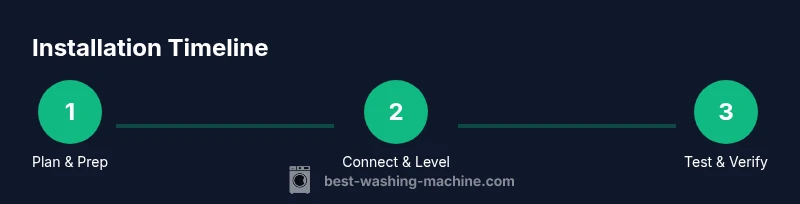
Assume you’re preparing a 2-bedroom apartment laundry area. Start by inspecting the space for obstructions and measuring doorways. Unbox the washer, lay out hoses and adapters, and test-fit all connections. Proceed to connect water lines, secure the drain hose, and level the machine. Finally, plug in and run a short test cycle to verify that there are no leaks or abnormal noises. Budget for contingency time in case you need to reposition the unit or adjust hoses.
Authority sources and recommended next steps
For a deeper dive on energy efficiency, safety considerations, and best practices, see Energy.gov’s washing machines guidance and related public resources. The Energy Star program also offers practical tips on installing and operating new washers to maximize efficiency and minimize water use. If you’re unsure about any connection—especially gas or propane hookups—consult a licensed technician or local building official to ensure compliance.
Quick-start reference and checklists
Keep a concise checklist handy: confirm space clearance, inspect hoses and valves, gather tools, plan cable routing, and perform a dry-run fit of the drain. A successful installation hinges on upfront planning, careful connections, and a level, stable machine. By following a systematic approach, you can complete the install efficiently and safely, reducing the chance of post-install issues.
Tools & Materials
- Adjustable wrench(Fits most hose clamps and fittings)
- Channel-lock pliers(Essential for stubborn fittings)
- Level(Verify horizontal alignment)
- Bucket(Catch water when disconnecting hoses)
- Towels/shop rags(Clean spills and wipe fittings)
- Plumber’s tape (PTFE)(Seal threaded connections)
- Drain hose adapter (if needed)(Used for non-standard openings)
- New inlet hoses (optional but recommended)(Prevents leaks from worn hoses)
Steps
Estimated time: Total: approximately 1–3 hours depending on space, plumbing, and whether a professional is used
- 1
Power and water shutoff
Turn off the home's water supply at the valve and unplug the washer. This prevents water flow and electrical shock if a fitting is loose or a leak appears during the initial disconnect.
Tip: Have towels ready to catch any residual water; verify you’re on a dry, flat surface. - 2
Disconnect old connections (if replacing)
Carefully detach the old washer’s water inlet hoses and drain hose. Plug the outlets temporarily to prevent debris from entering the lines. Keep a bucket handy for residual water that may drain.
Tip: Label hoses by color or position to simplify reattachment on the new unit. - 3
Position the new washer
Move the unit into place, leaving space for venting and access to the supply valves. Check that the floor is level using the spirit level.
Tip: If you’re working in a tight space, have a helper to steady the unit while you adjust feet. - 4
Connect water inlet hoses
Attach the hoses to the washer’s inlet valves and to the home’s supply valves. Tighten gently with a wrench, using plumber’s tape on threads to prevent leaks.
Tip: Attach the hot and cold hoses to the correct valves and avoid overtightening. - 5
Secure the drain hose
Insert the drain hose into the standpipe or drain outlet. Secure with a clip or strap to prevent it from dislodging during a cycle.
Tip: Keep the hose angled downward to avoid backflow or siphoning. - 6
Level the machine
Use adjustable feet to level the washer side-to-side and front-to-back. A level surface reduces vibration and helps prevent leaks at connections.
Tip: Make small adjustments and re-check with the level after each tweak. - 7
Reconnect power and test run
Plug in the washer and run a short cycle with no detergent to confirm water flow and drainage without adding laundry.
Tip: Listen for unusual sounds or leaks during the cycle; halt if you notice any issues. - 8
Inspect for leaks
Check all hose connections and the drain for any signs of water. Tighten fittings as needed and wipe away moisture to keep the area dry.
Tip: If a leak persists, re-seat the hose and re-tighten; consider replacing hoses if fittings show wear. - 9
Finalize setup and document
Record model details, note any warranty information, and store tools and hoses properly for future maintenance.
Tip: Keep the user manual and extra hoses in a dedicated folder for quick reference. - 10
Confirm with a full load test
Run a full wash with a normal load to verify performance and ensure stability. Pause if an unbalanced load triggers excessive vibration.
Tip: Distribute clothing evenly to minimize vibration and wear on the machine.
FAQ
Can I install a washing machine myself, or should I hire a professional?
Both options are viable. DIY is feasible with basic plumbing and electrical skills, but a pro can ensure code compliance, verify gas safety (if applicable), and handle unexpected issues quickly. If you lack confidence, professionals save time and reduce risk.
You can do it yourself if you’re handy, but a professional often saves time and ensures the work meets safety standards.
What’s the typical total time for a standard install?
A standard install often takes about 1 to 3 hours, depending on space, existing hookups, and whether a vent or standpipe is required.
Usually between one and three hours, depending on your setup.
What should I do to prevent leaks during installation?
Use new inlet hoses, apply plumber’s tape on threads, and ensure all connections are snug but not over-tightened. Test the system with a short cycle before loading clothes.
Replace hoses and check connections, then run a short test cycle.
Do front-load and top-load washers require different setups?
The basic hookup is similar, but front-load units may require more leveled support and a sturdier floor due to increased vibration. Always follow the manufacturer’s installation guide.
They’re similar, but front-load may need extra leveling and a solid floor.
What safety steps are essential during installation?
Shut off water and power first, verify venting and electrical connections, and keep the area dry to prevent slips or shorts. If unsure, call a pro.
Turn off water and power, check connections, and keep things dry.
Is professional installation required for gas washers?
Gas washer installations involve natural gas connections and venting; this should be done by a licensed technician to prevent gas leaks and ensure safe venting.
Gas washers require a licensed installer for safety.
Watch Video
The Essentials
- Plan space and hookups before starting to install.
- Use proper hoses and level the machine for safe operation.
- DIY install is doable but expect variances in time.
- Professional installation reduces risk and may save time.
- Safety first: shutoffs, unplug, and inspect for leaks.