How Often to Replace Washing Machines: A 2026 Guide
Discover when to replace your washing machine using a data-driven framework. Weigh age, repair costs, energy efficiency, and ownership costs to decide wisely in 2026.


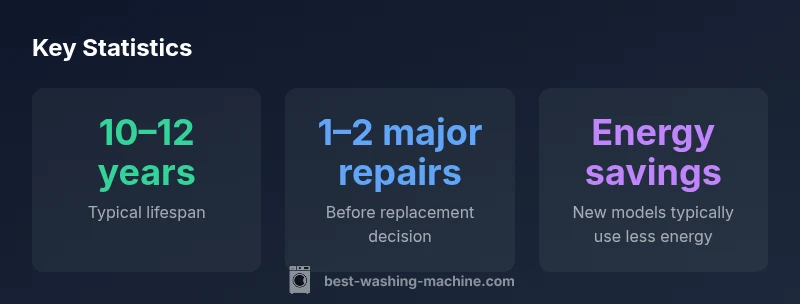
Typically, a residential washing machine lasts about 10–12 years, with many households replacing within that window. However, the exact timing depends on usage, maintenance, and energy efficiency considerations. If you encounter frequent breakdowns, costly repairs, or declining performance that cannot be fixed affordably, replacement is often the economical choice.
How to gauge replacement timing
For most households, replacement timing is not a fixed number but a decision based on age, maintenance history, and costs of continued operation. If you're wondering how often to replace washing machine, start with its age and the quality of its performance. A common rule of thumb is that residential machines last about a decade, but many units reach 12–14 years with careful care. In addition to age, three practical signals indicate it may be time to replace: persistent breakdowns after multiple repairs, repair bills that approach or exceed the price of a new unit, and declining cleaning results or efficiency that can't be restored through routine service. To get a more accurate read, track repair frequency over a 12–24 month window and compare annual ownership costs (water, energy, detergent, maintenance) to the upfront price of a replacement. This approach gives homeowners, renters, and professionals a transparent basis for choosing to repair or replace.
Age vs. reliability: what to expect
Age is the most obvious indicator, but reliability matters more. Even a newer unit can develop chronic issues if bearings, seals, or hoses wear prematurely. As machines age, the likelihood of failures climbs, and energy efficiency often declines if components degrade. If you notice longer cycle times, inconsistent temperatures, or clothes coming out still damp, these signals merit closer inspection. The decision to replace should weigh the remaining useful life against estimated repair costs and the benefits of a more efficient model. In 2026, many households find that a well-chosen replacement reduces both maintenance downtime and operating costs over the long term.
A practical framework: repair vs replace
Use a simple decision framework to quantify the choice between repair and replacement. Step 1 is age: if the machine is nearing the end of its typical lifespan (around 10–12 years), proceed to step 2. Step 2 compares annual repair costs to the price of a new unit with similar capacity. If projected repairs over the next 2–3 years would likely exceed a large proportion of the replacement price, replacement becomes economically sensible. Step 3 estimates energy costs: newer models typically deliver better efficiency, so even a more expensive unit might pay back the extra cost over a few years. Step 4 considers downtime and convenience: if frequent service disrupts daily routines or creates scheduling headaches, replacement may offer greater reliability. Finally, Step 5 weighs non-financial factors such as compatibility with smart-home features or warranty terms. Document these factors in a simple chart, then decide using a total-cost-of-ownership lens. This approach aligns with the Best Washing Machine Analysis, 2026 methodology and helps homeowners, renters, and operators make rational choices.
Cost considerations and budgeting
A thorough cost perspective includes initial purchase price, ongoing operating costs, and the likelihood of future repairs. While exact numbers vary by brand, model, and location, you can estimate ranges to inform planning. A new mid-range washer might cost a bit more upfront than a basic model but offers better efficiency, fewer repairs, and longer overall life. Repairs for older units can become disproportionately expensive as components wear, seals degrade, and drum bearings loosen. When evaluating replacement, compare the total cost of owning your current machine for the next 3–5 years against purchasing a capable, energy-efficient model with a solid warranty. Don’t forget incidental costs like installation, transit, and potential insurance adjustments for a new appliance. In practice, many households find that reinvesting in a newer model with better efficiency yields meaningful savings over the long run, even when upfront costs are higher. Use this section as a budgeting guide rather than a single price point.
Maintenance practices that extend life
Better maintenance can push replacement dates farther into the future. Implement these habits:
- Regularly clean lint traps, filters, and detergent dispensers to prevent buildup that reduces performance.
- Inspect hoses for bulges, leaks, or cracks and replace them proactively to avoid floods.
- Level the machine to minimize wear on the drum and motor; uneven loads cause extra vibration.
- Run cold or warm cycles with appropriate loads to minimize stress and energy use.
- Schedule routine professional checkups every 2–3 years to catch problems before they escalate.
A disciplined maintenance routine preserves performance, reduces downtime, and postpones the moment you need to decide between repair and replacement.
What to look for when replacing: features and specs
If you decide to replace, prioritize features that maximize reliability and value over the machine's initial sticker price. Key considerations include:
- Capacity and size: Match drum capacity to your typical laundry load; oversizing or undersizing can waste energy or extend cycles.
- Front-load vs top-load: Front-loaders are usually more energy- and water-efficient, but may require more space and careful detergent choices. Top-loads offer quick cycles and simpler repair access.
- Energy and water efficiency: Look for ENERGY STAR or equivalent ratings and consider machines with low spin speeds and high extraction efficiency.
- Reliability and service network: Favor brands with good repair networks and widely available parts.
- Warranty terms: Longer warranties can reduce long-term risk; check what is covered and for how long.
- Smart features and connectivity: Some models offer remote monitoring and diagnostic support that can speed up repairs.
- Noise and vibration: If the machine will be near living spaces, choose models marketed as quiet or with anti-vibration features.
The goal is to balance upfront cost with expected savings, ensuring the new unit meets your current needs while offering reliable, long-term performance.
Quick-start checklist you can use today
Before you decide, run this concise checklist:
- Note the age and repair history of your current machine.
- Gather recent repair bills to estimate total future costs.
- Compare your expected energy and water use with a modern model's estimates.
- Check parts availability and warranty terms for your top choices.
- Assess whether capacity and cycle options align with your needs.
- Schedule a quick in-person or virtual consult with a local service pro to confirm feasibility.
This practical checklist helps you build a solid, evidence-based case for whether to repair or replace.
Lifespan expectations by model type
| Model Type | Avg Lifespan (years) | Notes |
|---|---|---|
| Front-load | 12-14 | Most efficient, higher seal maintenance |
| Top-load (HE) | 10-12 | Generally reliable, cheaper to repair |
| Top-load (Standard) | 9-11 | Lower efficiency, more water per load |
FAQ
How often should I replace a washing machine?
Most households replace after about 10–12 years, depending on usage, repairs, and efficiency gains. Evaluate repair options and financials before deciding.
Most homes replace around a decade in, but check repairs, performance, and energy savings before deciding.
What signs indicate it's time to replace?
Persistent breakdowns, rising repair costs, and noticeably degraded performance despite service indicate replacement is worth considering.
If it keeps breaking and repairs cost more than a new unit, replacement is worth considering.
Is it better to repair or replace an older washer?
Weigh upfront repair costs against the price of a comparable new unit. If repairs become frequent or costly, replacement is often wiser.
Weigh repair costs versus new-unit price; frequent repairs usually mean replacement.
How does energy efficiency affect replacement timing?
Newer models typically use less energy per cycle, which can offset higher upfront costs over time.
New models save energy, which can justify replacement over time.
Should I replace due to leaks or not draining?
Leaks and drainage problems are sometimes fixable; if issues recur after repairs, replacement may be the smarter option.
If leaks keep coming back after repairs, replacement is worth considering.
“The Best Washing Machine Team recommends using a total-cost-of-ownership approach: consider age, repair history, energy use, and reliability before replacing. That framework helps homeowners balance upfront costs with long-term savings.”
The Essentials
- Assess age and repair history to gauge replacement timing.
- Weigh energy efficiency and ongoing maintenance costs.
- Use a cost framework to decide between repair and replacement.
- Plan for size and feature needs in the next machine.