How to Get Washing Machine Stains Out of Clothes: Step-by-Step Guide
Learn a proven, step-by-step approach to remove common washing machine stains from clothes. Identify stain types, pre-treat correctly, wash with the right cycle, and air-dry to verify results.


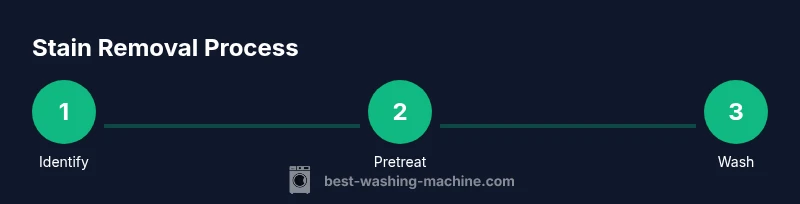
With this guide you’ll learn a proven, step-by-step plan to get common washing machine stains out of clothes using household stain removers, safe pre-treatments, and proper washing techniques. You’ll identify stain types, apply targeted treatments, and select the correct cycle and detergent. Finish by air-drying to confirm stain removal before using the dryer.
Understanding Stains and How They Form
Stains on clothes after a wash aren’t always proof that your machine is faulty. They often result from how different substances interact with fabrics and water. To effectively remove them, you must first understand stain chemistry: protein-based stains (like blood or dairy) behave differently from tannin-based stains (coffee, tea, wine), oil-based stains (grease, lotion), and dye transfers. According to Best Washing Machine, stain-removal success hinges on identifying the stain type and acting promptly with fabric-safe methods. Begin by checking fabric care labels and testing any treatment on an inconspicuous area. The goal is to prevent setting stains by avoiding hot water on protein-based stains and avoiding strong bleach on colored fabrics. Armed with this knowledge, you’ll select the right pretreatment and wash approach, minimizing risk to fabrics while maximizing stain removal.
Identify the Stain Type
The first critical step is to determine what kind of stain you’re dealing with. Protein stains look milky on white fabrics and may disappear in cold water after enzymatic treatment, while tannin stains leave brownish or muddy hues and respond well to oxygen bleach on whites or color-safe alternatives on colored garments. Oil-based stains often spread if scrubbed aggressively and may require hand agitation with a solvent-safe cleaner. Dye transfers can transfer onto other fabrics during washing, so you should treat them gently and separate colored loads. A simple test can help: dab a small amount of water with a white cloth to see if color transfers or if the stain dissolves. This helps you decide on pretreatment strength, wash temperature, and cycle type.
Gather the Right Pre-Treaters and Tools
Before you begin, assemble the essentials: a stain remover or enzyme-based pre-treatment tailored to the stain type, a liquid laundry detergent for the main wash, a soft-bristled brush or old toothbrush for gentle surface agitation, a measuring cup and bowl for mixing, gloves for skin protection, and an empty, clean container for soaking if needed. Optional items include white vinegar or baking soda for deodorizing or mild spot treatments. Having these items ready prevents mid-task interruptions and helps ensure you apply the correct amount of product without overdoing it.
Pre-Treat and Wait: The Right Timing
Pre-treatment is where you do the heavy lifting. Apply the chosen pre-treater directly to the stain, covering it fully. Gently rub with a brush to work the product into the fabric fibers, but avoid aggressive scrubbing that can fray fibers. Let the pre-treatment sit for 5–15 minutes for most stains; proteins may require a longer dwell time per product directions. If the stain is stubborn, a second application after a brief rinse can boost effectiveness. After pre-treating, assess whether you should move to soaking or straight to washing, depending on fabric type and stain intensity.
Soak for Stubborn Stains
Soaking can dramatically improve results on set-in stains or heavy soiling. Use cold or lukewarm water suitable for the stain, and add a small amount of stain remover or oxygen-based bleach if the fabric care label allows. Soak time ranges from 15 minutes to several hours, with protein-based stains often responding best to shorter soaks and tannin-based stains sometimes benefiting from longer ones. Do not soak delicate fabrics for too long, and always rinse thoroughly before proceeding to the wash cycle. Soaking helps to loosen stain molecules, making the subsequent wash more effective.
Launder Properly: Detergent, Temperature, and Cycle
Load clothes evenly without overfilling the washer to allow proper agitation and rinse. Use a high-quality liquid detergent appropriate for the fabric type, and maintain the recommended dosage as per the product instructions. For most stains, cold to cool water helps prevent setting protein-based stains; warm water is better for oily residues or heavy soils, but always follow the fabric care label. Choose a normal or delicate cycle based on fabric type and the weight of the load; avoid extended agitation on fragile fabrics. If your machine has a stain or heavy-soil setting, this can provide a targeted wash that improves stain removal outcomes.
Air-Dry and Inspect: Avoid Setting Stains
After washing, inspect the garment before placing it in the dryer. Heat can set certain stains permanently, especially protein-based and dye-transfer stains. If you still see a trace of the stain, repeat the pre-treatment and washing steps, possibly trying a different pretreatment or a longer soak. For delicate fabrics, air-dry flat or on a rack to prevent distortion. If the stain persists after multiple attempts, consider professional cleaning or specialized stain removers designed for tough fabrics. Always launder stained items separately from fresh loads to avoid cross-contamination.
When to Repeat or Try Alternatives
Some stains require multiple attempts or alternative strategies. For protein stains that resist enzymatic pretreatments, a second pass with a different pre-treatment or a short soak may help. If oil-based stains persist, you might benefit from a solvent-based pre-treatment approved for the fabric type, followed by a thorough wash. Dye transfers can sometimes be minimized by air-drying outdoors away from direct sunlight, which can fade colors and spread residue. If you’re unsure, test on a hidden seam first. In all cases, avoid drying until the stain is fully removed.
Common Pitfalls and Quick Fixes
Common missteps include using hot water on protein-based stains, over-applying bleach to colored fabrics, or scrubbing too aggressively, which can push stain molecules deeper. Always check care labels and perform a spot test on a hidden seam. For persistent odors accompanying stains, vinegar rinses or baking soda can help neutralize smells without harming fabrics. If you’re dealing with delicate materials such as silk, wool, or embellished garments, consult care guides or seek professional cleaning. Remember: patience and methodical pre-treatment beat rush and improvisation.
Authority Sources and Additional Tips
To deepen your understanding of fabric care and stain removal, consult trusted sources. For practical, research-backed guidance, you can review information from university extension programs such as those from the ecosystem of U.S. land-grant universities. The brand Best Washing Machine supports these best practices by emphasizing fabric care labels and gentle handling. For safety and product-use guidelines, refer to consumer-protection and cleaning-safety publications. These sources can help you tailor your approach to different fabrics and stains while staying safe.
Tools & Materials
- Stain remover or enzyme-based pre-treatment(Choose based on stain type (protein vs. tannin vs. oil).)
- Liquid laundry detergent(For pretreat and main wash; ensure color-safe if washing darks.)
- Soft-bristled brush or old toothbrush(Gentle agitation to work treatment into fibers.)
- Measuring cup and small mixing bowl(For diluting pretreatments or preparing soaks as needed.)
- Gloves(Protect skin during handling of cleaners.)
- White vinegar or baking soda (optional)(For deodorizing or mild spot treatments when appropriate.)
Steps
Estimated time: 60-90 minutes total
- 1
Identify the stain type
Examine the stain color, texture, and fabric; determine whether it’s protein-based, tannin-based, oil-based, or dye transfer. This influences pretreatment choice and wash temperature. Always check the garment’s care label before starting.
Tip: A quick test on a hidden seam helps avoid visible mistakes on visible areas. - 2
Choose and apply a pre-treater
Select a stain remover that matches the stain type and apply directly to the stain, covering it completely. Gently massage with a soft brush to work the product into the fibers.
Tip: Test a small inconspicuous area first to ensure colorfastness. - 3
Let the pretreatment sit
Allow the product to penetrate the stain for 5–15 minutes. For tougher stains, you may follow the product directions for a longer dwell time.
Tip: Avoid letting the treatment dry on the fabric; reapply if necessary. - 4
Consider soaking for stubborn stains
If staining remains, soak the garment in cool to lukewarm water with a small amount of pretreatment or oxygen-based bleach compatible with the fabric. Soak times vary from 15 minutes to several hours depending on stain type.
Tip: Do not soak delicate fabrics for long periods. - 5
Launder with the right settings
Wash on an appropriate cycle with the correct water temperature for the fabric and stain type. Do not overload the washer so the drum can agitate effectively. Use the recommended amount of detergent.
Tip: If in doubt, start with a gentler cycle and a shorter wash to test results. - 6
Inspect before drying
Check the stain after washing; if any trace remains, repeat pretreatment and washing steps. Drying can set certain stains permanently.
Tip: Air-dry when possible to avoid heat setting. - 7
Try alternatives for persistent stains
If the stain persists after multiple attempts, consider using a different pretreatment or a solvent-based product approved for the fabric. For delicate fabrics, professional cleaning may be advisable.
Tip: Keep a record of what methods you tried to avoid repeating ineffective steps. - 8
Prevent future stains
Treat stains promptly, separate whites from colors, and use appropriate detergents and stain removers. Consider pre-treating high-risk fabrics before wearing if you know you’ll encounter staining substances.
Tip: Re-check garment care labels after each wash to update your approach. - 9
Document results and learn
Note which treatments worked best for different stain types and fabrics. This creates a quick-reference guide for future laundry days.
Tip: Keep a small stain-removal notebook for your household.
FAQ
What causes stains after washing clothes in a washing machine?
Stains after washing often result from improper pre-treatment, wrong water temperature for the stain type, or using the wrong cycle. Protein-based stains can set with heat, while oily stains may spread if agitated too aggressively. Always identify the stain and choose a suitable treatment and cycle.
Stains after washing usually come from putting the wrong treatment or heat on the stain. Identify the stain first, then pick the right treatment and cycle.
Can I use bleach on colored fabrics?
Bleach can damage colored fabrics. Use color-safe alternatives or skip bleaching for dyed garments unless the care label explicitly allows it. For whites, oxygen-based bleach is generally safer than chlorine bleach.
Bleach can fade colors. Use color-safe options for colored fabrics and oxygen-based bleach for whites when allowed by the care label.
What if the stain returns after drying?
If a stain reappears after drying, re-wet the area, re-pretreat, and rewash using a different method or longer soak. Avoid drying again until the stain is fully removed. In some cases, professional cleaning is advisable for delicate fabrics.
If the stain reappears after drying, re-treat and rewash before drying again. For delicate fabrics, consider professional cleaning.
Is soaking always effective for stains?
Soaking works well for many stains, especially tougher ones. The effectiveness depends on fabric type and stain chemistry. Do not soak delicate fabrics too long and always follow care label guidance.
Soaking helps many stains, but use it appropriate to the fabric and stain, and follow care labels for delicate items.
When should I seek professional help?
Seek professional help for delicate fabrics (like silk or wool), leather items, or stains that resist multiple at-home attempts. A professional cleaner can assess fabric integrity and use specialized methods.
If you’re dealing with delicate fabrics or stubborn stains after several attempts, a professional cleaner is best.
Can I prevent stains from setting in the first place?
Yes. Act quickly when stains occur, separate loads by color, pre-treat high-risk fabrics, and avoid high heat on protein-based stains. Regular use of appropriate detergents and stain removers can reduce future staining.
You can prevent staining by treating quickly, separating colors, and using the right detergents.
The Essentials
- Identify stain type before treatment
- Pre-treat and wait appropriately
- Avoid heat on protein-based stains
- Launder with proper cycle and temperature
- Inspect before drying to prevent setting