How to Wash Clothes in a Washing Machine: A 7-Step Guide
Learn how to wash clothes in a washing machine with a clear, step-by-step approach. Sort fabrics, choose temperatures, load properly, and care for your machine for clean results and longer garment life.


Mastering laundry starts with the basics: sorting by color and fabric, selecting the right cycle, and using the correct detergent. This guide shows how to wash clothes in a washing machine from prep to rinse, ensuring clean results and longer-lasting garments. By following Best Washing Machine's recommended steps, you’ll save time and prevent wear.
Why Proper Washing Matters
Proper washing matters for garment longevity, color retention, and fabric integrity. When you sort by color and fabric, you reduce dye transfer and fiber stress that cause pilling or logos to fade. A well-chosen detergent and wash cycle minimize wear, helping your clothes look newer longer. According to Best Washing Machine, consistent, correct washing also reduces energy and water usage over time, lowering utility bills and environmental impact. Start with a quick assessment of each item’s care label and your goals for the load (freshness, stain removal, or gentle care). This understanding frames every other choice you make during the wash.
Understanding Detergents and Load Types
Detergent choice drives cleanliness and fabric safety. HE detergents are essential for high-efficiency machines and low-suds results; choose a formula appropriate for cold or warm cycles. Liquid detergents dissolve quickly and are good for oily stains, while powder detergents can be cost-effective for then-heavy soils. Avoid overflow or residue by measuring accurately and not using more than the recommended amount. Load type matters too: front-loaders are gentle and efficient but require careful loading to avoid a clogged door seal; top-loaders vary in agitation, so adjust your expectations accordingly. For best results, use the manufacturer-recommended detergent amount for each load and consider a pre-treatment for stubborn stains.
Choosing the Right Settings and Temperatures
Cycle selection balances fabric care with cleaning power. Use delicate or gentle cycles for lace, silks, and activewear to minimize stress; use normal cycles for everyday cottons and blends. Temperature matters: cold water reduces energy use and dye bleeding, while warm or hot water boosts stain removal on whites and heavily soiled items. If you’re unsure, a warm wash with a normal cycle is a versatile default that covers most fabrics without excessive shrinkage. Always adjust spin speed to reduce wrinkling for delicate garments and to improve dryness on heavier fabrics.
Sorting, Stains, and Pre-Treatments
Sort by color (light, dark, new colors) and by fabric type (delicates, heavy fabrics). Treat stains before washing: dab with a stain remover or apply a small amount of detergent directly to the stain and let it sit briefly (not longer than 15 minutes). Run harder soils with longer wash cycles and higher temperatures as needed, while keeping delicate fabrics with cold water whenever possible. Do not mix heavily soiled items with lightly soiled ones, as the dirt transfer can reduce overall cleanliness.
Handling Special Fabrics and Clothes Care
Special fabrics require targeted care: wool, silk, and cashmere often benefit from gentle cycles or hand-wash settings and lower spin speeds. For athletic wear, choose a cycle with higher agitation and consider a pre-rinse for sweat-prone fabrics. Denim and towels tolerate heavier cycles and higher temperatures, but check labels to avoid shrinking or fuzzing. Always air-dry or use low-heat drying for sensitive fabrics to prevent damage from heat or overstressing fibers.
Saving Time, Water, and Energy
Maximize efficiency by loading full, but not overloaded, washers. Run full loads on the most efficient cycle for the fabric to minimize water usage per item. Clean the lint filter and door seals regularly to prevent odors and maintain efficiency. Consider cold-water cycles for routine loads and reserve hot cycles for linens or heavy stains. By timing washes to off-peak hours, you can also save on energy costs and extend the life of your machine.
Common Pitfalls and How to Avoid Them
Avoid overloading your machine, which reduces cleaning efficiency and increases wear on the drum. Don’t mix fabrics of very different weights in one load without a proper cycle. Always check pockets for coins, keys, or tissues that could damage the drum or create odors. Finally, don’t forget to leave the door or lid slightly ajar after a load to air out the drum and prevent mildew.
Quick-Start Summary: Key Principles for Everyday Washing
- Sort by color and fabric; separate delicates.
- Use the right detergent amount and a compatible formula.
- Pick cycles and temperatures suited to fabrics and soils.
- Pre-treat stains and avoid overcrowding.
- Maintain your machine by cleaning filters and seals regularly.
This approach keeps clothes looking new longer and protects your appliance investment.
Tools & Materials
- HE detergent (liquid or powder)(Choose a formula appropriate for your machine (HE for high-efficiency). Use the amount recommended on the label.)
- Fabric softener (optional)(Only if you want added softness/fragrance; check fabric care labels.)
- Stain remover or pre-treat pen(Apply to stains before washing, following product directions.)
- Measuring cup or bottle cap(Accurate dosing helps prevent residue.)
- Laundry baskets or bags(For sorting and transporting clothes.)
- Oblong or rolling garment brush (optional)(Helpful for removing surface dirt before washing.)
Steps
Estimated time: 30-60 minutes
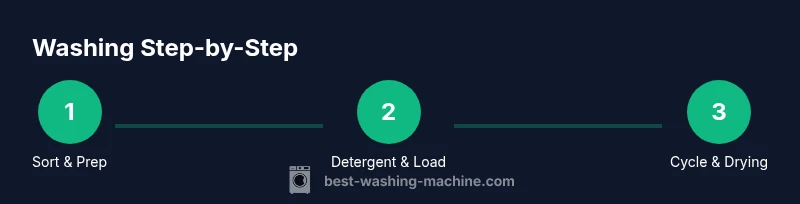
- 1
Check care labels and sort
Begin by inspecting labels for washing instructions and separating clothes by color and fabric type. This prevents dye transfer and fabric damage during the wash.
Tip: Keep a dedicated sorter bin to speed up the process. - 2
Pre-treat stains
Identify stains and apply a stain remover or detergent directly to the spot. Let it sit for up to 15 minutes before loading. This boosts stain removal on typical soils.
Tip: Avoid letting stain treatment dry on fabric. - 3
Load the washer properly
Distribute clothes evenly; avoid cramming items. A balanced load improves cleaning and reduces wear on the machine.
Tip: Leave about 10% of space free for movement. - 4
Add detergent and optional softener
Pour detergent into the dispenser or direct-dispense if needed. If using softener, add it to the appropriate compartment but not on top of clothes.
Tip: If using powders, ensure they dissolve before the cycle begins. - 5
Choose the cycle and temperature
Select a cycle based on fabric type; cold water saves energy, while warm water can improve stain removal on whites.
Tip: When in doubt, start with a normal cycle using cold water. - 6
Start the wash and monitor
Close the door securely and start the cycle. Check early in the wash to ensure no leaks or unusual noises.
Tip: If you notice a leak, stop and re-check seals and hoses. - 7
Dry and finish wisely
Transfer to the dryer if appropriate for the fabric or air-dry delicate items. Remove promptly to minimize wrinkles.
Tip: Shake garments before loading to reduce clumping.
FAQ
How do I know if a garment is colorfast before washing?
Test a small hidden area with a damp white cloth and rub gently. If there’s color transfer, wash separately or with a color-catcher sheet. Always follow care labels.
To check colorfastness, rub a damp white cloth on a hidden seam and look for color transfer. If it bleeds, wash separately.
Should I pre-soak heavily soiled clothes?
Pre-soaking can help with stubborn stains and heavy soils. Use cold water and a mild detergent for a short period, then wash on a normal cycle. Avoid long soaks on delicate fabrics.
Yes, pre-soaking heavy soils can help, but avoid soaking delicates for long periods.
Can I mix heavy towels with lightweight shirts in the same load?
It's best to avoid mixing very different fabric weights. Heavier items like towels can jam the drum and prevent gentle fabrics from cleaning well. If you must, use a heavy-duty cycle and balance the load.
Mixing heavy and light fabrics is not ideal; use a heavy cycle if you must, and keep loads balanced.
How can I prevent mildew in my washing machine?
Leave the door or lid open after a cycle to air out moisture. Wipe seals and run a hot water cleaning cycle periodically to kill mildew spores. Clean the detergent dispenser to prevent residue buildup.
Air out the drum after washing and run a hot cleaning cycle every so often.
What’s the best way to remove odors from a washer?
Run an empty hot cycle with a cup of white vinegar or a washing machine cleaner once a month. Wipe seals and door gaskets regularly to prevent odor buildup.
Run a hot empty cycle with vinegar or cleaner monthly, and wipe seals often.
How do I clean a washing machine filter or pump screen?
Consult your model’s manual to locate the filter or pump screen. Remove debris with a damp cloth or brush, reassemble, and run a short rinse cycle to flush out any remaining particles.
Check your manual for filter location, clean out debris, and run a rinse cycle.
Watch Video
The Essentials
- Sort by color and fabric to protect garments.
- Use the correct detergent amount for clean results.
- Select cycles and temps based on fabric type.
- Pre-treat stains for better removal.
- Maintain the machine to prevent odors and wear.