How to Prevent Washing Machine from Freezing
Learn practical, actionable steps to prevent a washing machine from freezing in cold weather. This comprehensive guide covers insulation, drainage, room temperature, safety tips, and a step-by-step winterization plan for homeowners and renters.


This guide explains how to prevent washing machine from freezing and protect your appliance in cold weather. It covers practical, actionable strategies—insulation, drainage, and room-temperature controls—that minimize ice formation and avoid costly damage. Use the step-by-step approach to winterize your washer and keep laundry day uninterrupted during freezing conditions.
Why freezing happens in winter
Water and moisture are everywhere in a washing machine’s supply lines and drainage system. When temperatures drop, the water in exposed pipes, hoses, and valves can freeze, especially if the laundry area is in an unheated room or garage. Ice expands and can stress fittings, seals, and the inlet valve, potentially causing leaks or rupture. Even when the washer sits indoors, cold drafts or uninsulated spaces near the machine can lower adjacent air temps enough to slow water movement and encourage ice formation. Understanding why freezing happens helps you target the right fixes and answer the question of how to prevent washing machine from freezing. According to Best Washing Machine, proactive winterization reduces the likelihood of burst hoses and valve damage, saving you time and money in a harsh season. Practical winterization combines insulation, space heating discipline, and careful drainage.
To start, identify the coldest spots around the washer: the supply lines behind or under the machine, the cabinet gaps, and the laundry closet or room boundary where cold air can pool. The goal is to keep temperatures above roughly 50°F (10°C) in the immediate area and ensure that moving water does not stagnate and freeze in the hoses. By thinking through the entire cold-weather path—from wall to hose to drum—you can craft a simple, reliable winter plan for your home.
Signs that freezing is threatening your washer
Early signs that freezing might be a risk include slow water fill, kinks or stiff hoses, and unusual creaks when the drum rotates. If you notice frost on exposed pipes or a vent that seems blocked by ice, stop and inspect immediately. Standing water in a drain pan or a truncated drain cycle can indicate a partial freeze in the drain line. Also watch for ice buildup near the inlet valve, as this is a common failure point. If the machine is located in an unheated space and the ambient temperature drops below the safe threshold, you may observe these symptoms before a full freeze occurs. Recognizing these indicators early lets you take corrective action quickly and reduce the chance of hose ruptures, valve damage, or electrical issues that could result from moisture intrusion.
Core preventive strategies you can implement today
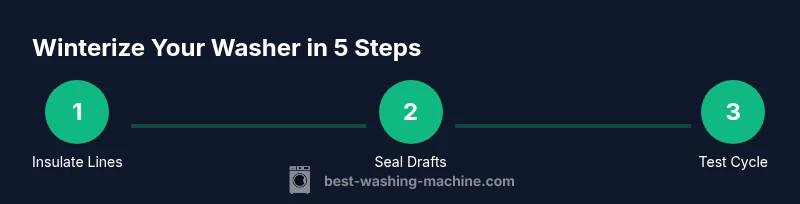
- Insulate water supply lines: Install pipe insulation sleeves on hot and cold lines near the washer. Use self-adhesive foam or fiberglass wraps and secure with cable ties to prevent heat loss and freezing at the most exposed segments.
- Keep the laundry area above freezing: If possible, keep doors closed to minimize drafts and use weather stripping or a draft blocker around the washer’s enclosure. A small, temperature-stable space dramatically lowers the freeze risk.
- Improve cabinet insulation: Add insulating wrap or foam panels to the outer cabinet of the washer, especially if it sits in a drywall cavity or cabinet with gaps. This reduces heat exchange and maintains more stable internal temperatures during cold snaps.
- Protect the drain and hoses: Ensure the drain hose is routed to prevent water from backing up and freezing at the outlet. Elevate or cradle the hose so water does not pool near the floor and freeze. Use a simple drain pan to catch any stray water and keep the area dry.
- Schedule gentle cycles and adjust water temperature carefully: When temperatures are dangerously low, avoid exposing the machine to long idle periods with water in the lines. If the room is cold, run a short cycle with warm water occasionally to keep moving water from freezing. This should be done in a controlled manner to prevent extra energy use and wear.
Seasonal setup: winterizing your laundry space
Creating a dedicated winterization routine ensures consistency and minimizes risk across the season. Start by sealing gaps around doors and windows that admit cold air into the laundry area. Install pipe insulation on exposed lines again if you added a new water feed. Use a programmable thermostat or a simple thermometer to maintain ambient temps above the chosen threshold, and check the space weekly during severe cold spells. Keep the area clean and dry so ice cannot form on any surface—ice can travel and affect hoses or the inlet valve. A well-winterized space is more forgiving, and your washing machine will be less likely to freeze during routine use.
For renters, coordinate with your landlord about insulation upgrades or a temporary heater guard that doesn’t create a fire risk. For homeowners, this is a moment to be proactive: small investments in insulation and weatherproofing pay off with fewer emergency repairs and shorter laundry-day interruptions.
Daily-use habits to minimize freezing risk
- Run routine cycles to keep water moving: If you’re in a very cold area, consider a weekly warm-water cycle even at low demand to keep the plumbing from freezing. However, do not overdo hot cycles, which can waste energy or damage fabrics.
- Monitor room temperature routinely: Use a simple thermometer to track ambient temps in the laundry area and adjust as needed. A stable environment reduces the chance of ice forming in supply lines.
- Maintain clear access to the washer: Keep the area around the machine free of clutter that could trap cold air near the base. Proper clearance helps airflow and reduces the cold buildup on pipes.
- Secure hoses and connections: Periodically check hose connections for signs of wear, cracking, or loose fittings. Tighten and replace as necessary to prevent leaks if ice forms.
- Consider a simple, approved winter prep checklist: Create a short, repeatable checklist for the first week of freezing weather that covers insulation, drafts, and line checks. This ensures you don’t forget critical steps when temperatures crash.
When to call a professional or consider replacement
If you notice persistent freezing despite DIY measures, or if a hose, valve, or seal has visibly failed, it’s time to consult a professional. A licensed technician can assess the risk of pipe bursts, inspect the inlet valve, and verify drainage integrity. If the washer is already experiencing repeated icing or repeated leaks every winter, you may need to consider relocation of the machine to a warmer area or upgrading to a model with better insulation and frost resistance. The goal is to protect both the appliance and your home by addressing root causes, not just symptoms.
Tools & Materials
- Pipe insulation sleeves (foam or fiberglass)(Cover exposed hot and cold supply lines near the washer)
- Thermal weather stripping or draft blocker(Seal gaps around the laundry closet or room)
- Foam/reflective insulating wrap for the washer cabinet(Reduce external heat loss from the unit)
- Cable ties or thermal tape(Secure insulation and prevent movement)
- Thermometer for ambient room temperature(Target a safe minimum of 50-60°F (10-15°C))
- Drain pan and absorbent towels(Contain potential leaks and keep the area dry)
Steps
Estimated time: 60-90 minutes
- 1
Assess space temperature and risk
Measure the laundry area temperature and identify the cold spots around the washer. Note any drafts near doors, windows, or vents. Understanding the baseline helps tailor insulation and spacing improvements.
Tip: Use a simple thermometer and record readings for a week of typical weather. - 2
Shut off power before working on lines
Unplug the washer and, if you need to handle water lines, turn off the shutoff valves to minimize the risk of leaks while you insulate.
Tip: Never work on electrical components with water present. - 3
Insulate exposed water supply lines
Wrap hot and cold lines with foam insulation sleeves and secure with cable ties. Ensure there are no gaps where heat can escape and ice can form.
Tip: Double-wrap any thick or long sections near bends to reduce heat loss. - 4
Seal gaps around the washer area
Apply weather stripping around the door or cabinet gaps and block drafts from entering the laundry space. Drafts can significantly drop the ambient temperature near the washer.
Tip: Check for gaps behind the machine where warm air can escape, and seal them neatly. - 5
Protect the drain and hoses
Route the drain hose to avoid kinks and potential ice formation. Elevate the hose or cradle it to prevent water pooling near the floor where it can freeze.
Tip: Keep a small drain pan under the connection to catch any drips during winter checks. - 6
Test a controlled cycle
Plug the washer back in and run a short warm-water cycle to verify the system operates smoothly. Check for any leaks and confirm water flow is consistent.
Tip: Observe for 3-5 minutes after the cycle starts to catch slow leaks early. - 7
Document a winterization routine
Create a simple, repeatable checklist for the winter months that you can follow each season. Include insulation checks, draft sealing, and periodic cycling.
Tip: Keep the checklist in a visible place near the washer for easy access. - 8
Schedule a periodic professional check (seasonally)
If you live in an extreme climate, arrange a seasonal inspection to verify lines, hoses, and valves are in good condition and properly insulated.
Tip: A quick professional check can prevent major freezes and costly repairs.
FAQ
Can a washing machine freeze even if it's indoors?
Yes, if the laundry area is poorly insulated or exposed to drafts, water lines and valves can freeze. Keeping ambient temperatures above a safe threshold and properly insulating lines greatly reduces this risk.
Yes. Even indoors, a poorly insulated area can allow freezing; insulating lines and maintaining warmth helps prevent it.
What is the best insulation for water lines?
Foam pipe insulation sleeves are commonly recommended for both hot and cold lines. They’re easy to install, fit tightly, and reduce heat loss that leads to freezing.
Foam pipe insulation sleeves are a good choice; they’re easy to install and help keep water lines warm.
Should you run a hot cycle to thaw frozen lines?
Running hot cycles to thaw frozen lines can risk damaging fabrics and the machine if misused. Use gentle approaches like insulation and room warming first, and only run warm cycles if needed and safe.
Avoid using hot cycles to thaw lines unless you know it’s safe for your model and fabrics.
Is it safe to use a space heater near a washer?
Space heaters should be used with caution and never relied upon to protect a washer from freezing. Maintain manufacturer guidelines and keep any heater at a safe distance to prevent fire hazards.
Be cautious with space heaters; don’t rely on them to protect your washer from freezing.
How can I tell if the washer’s drain is frozen?
Signs include standing water in the drain, slow drainage, or unusual gurgling sounds after a cycle. If you suspect a frozen drain, power down and check the line for obstructions or ice buildup.
Look for standing water or slow draining; check the drain line for ice or blockages.
What room temperature should I maintain in winter?
Aim for an ambient temperature around 50-60°F (10-15°C) in the laundry area. Consistent warmth helps protect water lines and reduces freeze risk.
Keep the laundry area around 50-60°F to prevent freezing.
Watch Video
The Essentials
- Insulate exposed water lines to prevent freezing.
- Seal drafts to maintain safe ambient temperatures.
- Route and protect the drain hose to avoid ice buildup.
- Create and follow a winterization routine.