How to Remove Odor From a Washing Machine
Learn a proven, step-by-step method to eliminate washing machine odors. Clean the drum, gasket, and dispensers, then prevent future smells with a simple maintenance routine.


To remove odor from a washing machine, start with a hot-water cleaning cycle using white vinegar, then run a second cycle with baking soda. Wipe the door gasket, drum, and detergent dispenser, and leave the door ajar to dry. Finish with a fresh rinse and monthly maintenance to keep odors at bay.
Why odors form in washing machines
Odors in washing machines are often the result of moisture lingering after cycles, mixed with organic residues like detergent buildup, fabric softener film, and trapped mildew in seals. Front-loading machines are especially prone because their tight gaskets trap damp air, creating a breeding ground for bacteria. Understanding what causes the smell helps you tailor a cleaning routine that targets the drum, gasket, and detergent dispenser. According to Best Washing Machine, most odors come from three sources: mold in rubber seals, detergent residue in dispensers, and damp interiors that do not dry fully after use. Start with a quick visual check: inspect hoses for leaks, look for standing water in the drum, and confirm the door seal isn’t cracked. A clear root-cause view makes your cleaning more effective and saves time in the long run.
Common odor culprits: mold, mildew, and residue
Odors rarely come from a single source. In front-load washers, mold can form in the door gasket and behind the detergent dispenser. Mildew thrives in dark, damp corners, while soap scum and fabric softener film can coat the drum, reducing cleaning efficiency. Even normal loads can leave residual moisture if you overload the drum or skip drying between uses. Regular cleaning routines target all three culprits: seal areas, the drum surface, and the dispenser. When you identify the culprit, plan a targeted fix such as refreshing seals, cleaning the dispenser thoroughly, or adding periodic maintenance to the monthly routine.
Tools and supplies you’ll need
Before you start, gather a few items. The basic cleaning kit includes white vinegar, baking soda, microfiber cloths, a soft brush, and a sponge. You may also want a screwdriver if you need to inspect hoses or seals. Have old towels on hand to catch splashes. Check your machine’s manual to confirm safe cleaning methods and water temperatures. If you suspect mold growth behind the drum or in the gasket, you might keep hydrogen peroxide for spot treatment, but never mix it with vinegar or bleach. Having the right tools ensures you’ll finish in one session and reduce the risk of recontamination.
Step-by-step cleaning routine
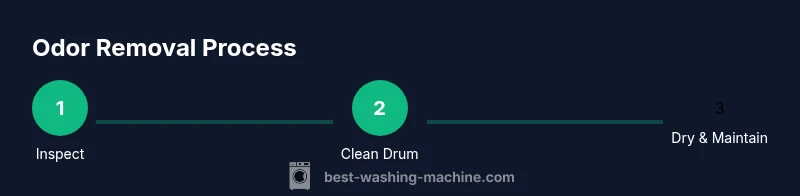
To tackle odor effectively, follow a dedicated sequence that cleans the drum, seals, and dispensers. First, empty the washer and wipe down the drum with a damp microfiber cloth to remove loose debris. Then run a hot-water cycle with two cups of white vinegar, allowing the machine to fill and agitate as normal. After the cycle finishes, run a second hot cycle with half a cup of baking soda to neutralize residues and odors. Pause before the final rinse to inspect the door gasket; wipe away mold or soap scum with a cloth. Finally, run one more rinse cycle with only water to flush any remaining cleaning agents. Leave the door open for air-drying and wipe the gasket again after it dries. If odors persist, repeat the vinegar cycle or consider a washer-cleaning product designed for your model.
Deep dive: front-load vs top-load odor control
Front-load machines tend to trap more moisture in the gasket, increasing odor risk. To minimize this, run cleaning cycles more frequently on front-load washers, leave the door ajar after cycles, and wipe the gasket routinely. Top-load models may still harbor damp lint or soap film, so implement the same maintenance cadence. For either design, consistent monthly maintenance is the best defense against smells and can extend the life of the unit.
Preventing future odors: a maintenance plan
Create a simple monthly schedule: 1) run a vinegar cycle, 2) wipe and dry the gasket, 3) spot-clean the dispenser, 4) run a hot rinse if possible, 5) leave the door ajar after the cycle. Use only the necessary detergent for each load and switch to a formula designed for high-efficiency machines to reduce suds and residue. Consider placing an air-drying towel inside the drum after cleaning to wick away moisture more effectively and prevent damp environments that feed odor.
Troubleshooting: when odors persist
If odors persist after cleaning, check for hidden moisture behind the drum or in the drain area. Inspect the drain hose for kinks and ensure it’s not submerged in standing water. Check the lint filter and pump for clogs, and remove any debris. If you still notice a smell, inspect the gasket for cracks or mold growth that may require replacement. In rare cases, persistent odor indicates a duct or vent issue or a failing seal, which warrants professional service.
Authority sources and further reading
For additional guidance on the science of odors and safe cleaning practices, consult reputable sources such as the U.S. Environmental Protection Agency and university extension programs. These resources offer practical tips that align with everyday home maintenance and safety standards.
Before you go: quick maintenance checklist
- Inspect the door gasket and wipe away visible residue weekly.
- Leave the door slightly open after cycles to aid drying.
- Run the cleaning cycle at least monthly, or more often if you use a front-load washer.
- Use the correct detergent amount to prevent soap buildup.
- Keep a tidy detergent dispenser to avoid film buildup.
Tools & Materials
- White vinegar(Use 1–2 cups depending on drum size)
- Baking soda(About ½ cup for second cycle)
- Microfiber cloths(For wiping drum, gasket, and dispenser)
- Soft brush or sponge(For scouring soap film)
- Old towels(To catch drips and spills)
- Screwdriver (if needed)(For inspecting hoses/seals)
- Hydrogen peroxide (optional)(Spot treatment for mold only; never mix with vinegar)
- Access to hot water(Check machine specs for max temperature)
Steps
Estimated time: 60-90 minutes
- 1
Prepare and inspect
Unplug the unit and remove any laundry. Do a quick visual check of the drum, gasket, and hoses to identify any obvious mold, cracks, or leaks before you begin cleaning.
Tip: Note any damaged parts that may require replacement. - 2
Run vinegar cycle
Add the recommended amount of white vinegar to the drum and run a hot-water cleaning cycle. This loosens mineral buildup and kills many bacteria that cause odor.
Tip: Use the hottest cycle your machine allows for best results. - 3
Follow with baking soda
After the vinegar cycle, run another hot cycle with baking soda to neutralize odors and lift remaining residues from the drum and seals.
Tip: Avoid mixing baking soda with vinegar in the same cycle. - 4
Clean gasket and dispenser
Wipe the door gasket and the detergent dispenser with a damp cloth. Use a soft brush to remove soap film or mold spotted areas.
Tip: Pay special attention to folds in the gasket where moisture hides. - 5
Rinse and dry
Run a final rinse with plain water and leave the door slightly open to air-dry. Wipe the gasket again after it dries to remove any residual moisture.
Tip: Keep air circulating to prevent reoccurrence. - 6
Monthly maintenance
Establish a monthly routine: vinegar cycle, gasket wipe, dispenser clean, door open, and proper detergent usage.
Tip: Set a reminder to stay on schedule.
FAQ
What causes washing machine odors?
Odors usually come from moisture trapped in seals, mold or mildew, and residue from detergent. Regular cleaning targets these sources and prevents reoccurrence.
Most odors come from moisture in seals, plus mold and detergent residue. Clean regularly to prevent it.
Can vinegar and baking soda be used together?
Use them in separate cycles. They neutralize different residues, but do not mix them in the same load.
Use vinegar and baking soda in different cycles, not together.
Is it safe to run hot cycles on all washers?
Most machines tolerate hot cycles, but check your manual. If in doubt, use warm water instead of hot.
Check your manual for hot-cycle guidance; if unsure, use warm water.
How often should I clean to prevent odors?
Aim for a monthly cleaning cycle with vinegar, plus gasket and dispenser upkeep between loads.
Clean once a month and wipe the gasket and dispenser regularly.
Should I leave the door open after washing?
Yes. Leaving the door ajar after cycles helps air-dry the interior and prevents odor buildup.
Keep the door slightly open after cycles to dry out the drum.
Watch Video
The Essentials
- Establish a monthly odor-removal routine
- Target drum, gasket, and dispenser in cleaning
- Keep the door open after cycles to dry thoroughly
- Avoid mixing cleaning agents like vinegar and bleach
- Inspect and maintain seals to prevent recurring smells