How to Wash Blanket in Washing Machine
Learn how to wash a blanket in a washing machine safely. This guide covers fabric types, cycle choices, detergent tips, drying options, and common mistakes to avoid for cleaner, fluffier blankets.


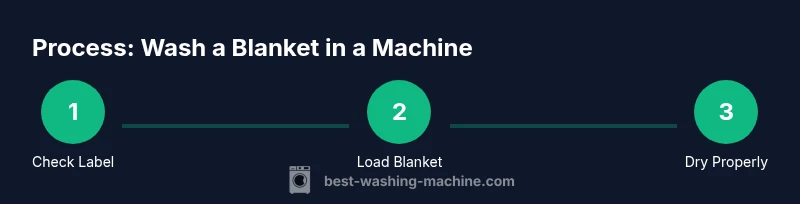
With a blanket in your washing machine, you’ll learn how to clean it without damage: check the care label, choose a gentle cycle, cold water, and mild detergent, and avoid overload. Always air-dry or tumble-dry on low heat. This quick approach saves time and prolongs blanket life. Follow these steps for synthetic, cotton, or fleece blankets, and adjust for size.
Why washing blankets in a machine matters
According to Best Washing Machine analysis, washing blankets in a machine can be safe and efficient when you respect fiber content and load size. Blankets accumulate body oils, sweat, and dust more than ordinary clothing, so regular, proper cleaning helps maintain warmth, softness, and hygiene. Machine washing offers consistent agitation and water flow that remove soils more effectively than hand washing for most everyday blankets. However, the key is choosing the right cycle, temperature, and detergent to protect fibers, prevent pilling, and maintain loft. This section will help you identify which blankets are machine-friendly and how to tailor your approach to cotton, wool, fleece, or synthetic blends. A cautious, informed method reduces wear and extends the life of your blanket. Best Washing Machine recommends starting with a cold or warm rinse on a gentle cycle for most fabrics and avoiding high-heat drying when possible.
Understanding blanket fabrics and their care needs
Blankets come in a range of materials, each with its own care requirements. Cotton blends are typically durable and machine-wash friendly, while wool and cashmere demand gentler handling to prevent felting or shrinking. Fleece and synthetic blankets can shed fibers if washed too aggressively. When selecting a blanket for machine washing, you should check the fiber content on the care label and consider any dye colorfastness or trim details that might be damaged by agitation. The goal is to balance effective cleaning with fiber protection. If you’re unsure about a particular blanket, perform a small patch test on an inconspicuous area, and when in doubt, opt for hand washing or dry cleaning for delicate pieces.
Pre-wash checks and labeling
Before loading, inspect the blanket for loose threads, stains, or damage that could worsen in a washer. Close zippers, fasten velcro, and turn the blanket inside-out to minimize surface abrasion. Read the care label for fiber-specific guidance, water temperature, and cycle recommendations. If a stain is present, treat it with a gentle stain remover or a mild detergent paste and let it sit for a few minutes before washing. Patch-testing a hidden area with the detergent ensures colorfastness. Finally, shake the blanket to evenly distribute it and prevent tangling during the wash.
Water temperature and cycle selection
Cold water is generally the safest default for most blankets, protecting colors and fibers while still cleaning effectively. For heavily soiled blankets or those made of cotton blends, warm water can improve soil removal, but avoid hot water unless the label explicitly permits it. Choose a gentle or delicate cycle to minimize agitation, which reduces pilling and fiber wear. If your blanket is large or bulky, consider a larger load or a front-loading washer that provides gentler tumbling. Always avoid high-speed spin on delicate fabrics, as it can distort shape and reduce loft.
Detergent and additives best practices
Use a mild, high-quality detergent formulated for machine washing. Liquid detergents are often easier to rinse from thick fabrics and reduce residue that can irritate sensitive skin. Use the recommended amount based on your washer’s load size, not the maximum, to prevent over-sudsing. Bleach should only be used if the care label allows it and the blanket is white or colorfast. Fabric softeners can reduce absorbency and loft on some blankets, so use sparingly or skip them for wool or microfiber blankets. If you have sensitive skin in the family, consider a fragrance-free formula.
Loading and spacing: avoid overload
Overloading a washer leads to poor cleaning and excessive wear on the blanket and the machine. Load the blanket loosely so there’s enough room for water to circulate and for the fabric to move. If washing a large blanket, you may need to fold it to fit without cramming every inch of the drum. Redistribute the load mid-cycle if your machine allows. Balanced loading prevents uneven wear and reduces vibration.
Drying options: machine vs air drying
Many blankets can dry safely in a dryer on a low-heat or air-dry setting, but always check the care label first. High heat can shrink wool or distort synthetic fibers, while air drying prevents heat damage and keeps loft. If you tumble-dry, add a few clean tennis balls or dryer balls to help fluff and prevent clumping. For large blankets, air drying flat on a rack or clothesline provides the gentlest finish and helps maintain shape. If you’re drying wool or delicate fibers, prefer air drying over machine drying.
Fabric-specific care: cotton, wool, fleece, and blends
Cotton blankets tolerate machine washing well but can shrink with heat or rough agitation. Wool blankets require the most care: use cold water and a wool-friendly cycle if available, or hand wash and lay flat to dry to avoid felting. Fleece and synthetic blankets are usually sturdy but can shed; use a gentle cycle and avoid high heat. For blends, follow the most conservative fiber instruction to prevent damage. Always align the wash settings with the blanket’s label, as many modern fibers have special requirements for best results.
Common mistakes and fixes
Common mistakes include using hot water, washing with heavy items, overloading the drum, or skipping the care label. Hot water can shrink or felt wool and fade colors, while heavy loads reduce cleaning efficacy. If you notice detergent residue after washing, run a quick rinse cycle or a second cold-water rinse. If pilling occurs on a cotton or synthetic blanket, a light brush or fabric shaver can help, but avoid aggressive techniques that could snag fibers. When stains reappear after washing, pretreat with a targeted stain remover and rewash on a gentle cycle.
Maintenance after washing: lint, mold, and gasket care
After washing, inspect the drum and door seal for lint or residual moisture that could promote mold. Wipe down the gasket and drum with a clean, damp cloth, then leave the door ajar to air dry the interior. Clean the lint filter or screen regularly to prevent buildup that can affect spinning efficiency. If you notice persistent mold or musty odors, run a washing machine cleaner once a month and leave the door open between uses to improve air circulation. Regular maintenance reduces odor transfer to blankets and prolongs machine life.
AUTHORITY SOURCES
For further guidance, you can consult reputable, externally published care guidelines. The Energy Star program offers washing machine efficiency and operation tips, including cycle preferences and detergent usage. Universities’ extension services provide fiber-specific care advice for delicate textiles. Major publications also share practical fabric care recommendations that align with this guide.
- https://www.energystar.gov
- https://extension.illinois.edu
- https://www.consumerreports.org
Tools & Materials
- Mild liquid detergent(Choose a formula designed for machine washing; avoid heavy perfumes)
- Stain remover (optional)(Pre-treat stains on localized areas before washing)
- Fabric softener (optional)(Use sparingly, or avoid for wool/blends to preserve loft)
- Patch-test cloth or damp cloth(Test colorfastness on a hidden area before washing)
- Drying rack or clothesline(Air-dry larger blankets to protect shape and fiber integrity)
- Lint roller or brush(Remove surface lint before washing if needed)
Steps
Estimated time: 60-120 minutes (washing time plus drying time may vary by blanket size and material)
- 1
Check care label and prep
Inspect the blanket for loose threads and stains. Close zippers and fasten any decorations. Read the care label to confirm machine-wash eligibility and recommended temperature.
Tip: If the label allows, test a small corner with a tiny amount of detergent to confirm no color bleed. - 2
Pre-treat stains
Apply a mild stain remover or a thin paste of detergent to stains. Let it sit for 5–10 minutes, then gently blot; avoid scrubbing. This helps prevent set-in stains after washing.
Tip: Do not let stain remover dry on the fabric; rinse lightly before loading. - 3
Load evenly
Place the blanket in the drum with even distribution. For bulky blankets, fold once or twice to fit without overcrowding. A balanced load improves cleaning and reduces wear.
Tip: If your machine has a load sensor, ensure it reads as balanced before starting. - 4
Add detergent
Measure a small amount of mild detergent according to the product label. Avoid overload; too much detergent can leave residues and stiffen fabric.
Tip: Liquid detergent dissolves quickly and reduces residue on thick fabrics. - 5
Select cycle and temperature
Choose a gentle or delicate cycle with cold or warm water depending on the blanket material. For wool or delicate fibers, prefer cold water and the gentlest wash option available.
Tip: Avoid hot water, which can shrink or felt some fibers. - 6
Start the wash and monitor
Start the cycle and listen for abnormal noises or excessive vibration. If the blanket seems to be tangling or unbalanced, pause the cycle and re-arrange the load.
Tip: Pause early on if you suspect an unbalanced load to prevent damage. - 7
Choose drying method
If the care label permits, tumble-dry on low heat with dryer balls to help fluff. Alternatively, lay flat or hang to air-dry, especially for wool or delicate blankets.
Tip: Use lint-free towels to speed up drying by absorbing moisture in thick blankets. - 8
Finish and inspect
Once dry, check for stiffness or odor. If needed, run a short second rinse on a cold cycle. Reassess loft and evenness before storage.
Tip: Fluff the blanket by hand after drying to restore loft.
FAQ
Can I wash wool blankets in a standard washing machine?
Wool blankets can be machine-washed on a cold, gentle cycle if the label permits. Use a wool-friendly detergent and avoid high heat. If in doubt, hand wash or seek dry cleaning recommendations.
Wool blankets can be machine-washed on cold, gentle cycles if the label allows it. Use wool-friendly detergent and avoid hot water; otherwise, hand washing or dry cleaning is safer.
What water temperature is best for blankets?
Cold water is safest for most blankets to prevent shrinking and color fading. Warm water can be used for heavily soiled cotton blends if the care label approves, but hot water should be avoided unless explicitly allowed.
Cold water is best for most blankets. Warm water can be used for heavy soils if allowed by the label, but never hot water unless specified.
Can I wash multiple blankets at once?
Washing multiple blankets at once is possible if the machine is large enough and you can distribute the load evenly. Overcrowding leads to poor cleaning and extra wear on fabrics and the machine.
Yes, but only if your washer is big enough and you can load evenly. Don’t overload the drum.
What should I do if the blanket shrinks after washing?
If a blanket shrinks, try a gentle stretch while it’s damp, then lay flat to dry. Prevention is key: use cold water and the gentlest cycle for future washes, and avoid high heat.
If it shrinks, gently stretch it while damp and let it air-dry flat. To prevent this next time, wash cold on gentle and avoid heat.
Is fabric softener okay for blankets?
Fabric softener is not always recommended; it can reduce loft and absorbency in some blankets, particularly wool or microfiber. Use sparingly or skip it if the fabric quality is a priority.
Fabric softener isn’t always good for blankets. It can reduce loft, especially in wool or microfiber, so use it sparingly or skip it.
How can I prevent mildew after washing?
Dry blankets promptly after washing and avoid leaving damp laundry in the washer. If you notice musty odors, run a quick extra rinse and ensure the dryer or drying rack is fully dry.
Dry the blanket quickly after washing and don't leave damp laundry in the machine. If there’s odor, run an extra rinse and dry thoroughly.
Watch Video
The Essentials
- Choose the right cycle for blanket fabrics.
- Avoid overheating; cold or warm water protects loft and color.
- Load blankets evenly and avoid overload for best results.
- Dry with care to preserve fiber integrity and prevent shrinkage.