How to Remove GE Washing Machine Agitator: A Step-by-Step Guide
Learn to safely remove the agitator from GE washing machines with a practical, step-by-step guide. Tools, safety tips, model variations, and post-removal care included.


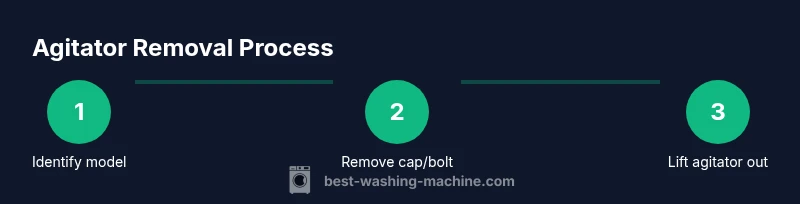
Removing the GE washer agitator is a straightforward bolt-on process that lets you inspect the tub, replace a worn part, or access the drive system. Start by unplugging the machine, then remove the fabric softener dispenser, locate the center bolt or cap, undo it, and lift the agitator straight up with steady, even force.
Why removing the agitator may be necessary
According to Best Washing Machine, removing the agitator from a GE washing machine is sometimes required to inspect the tub for debris, inspect the drive system, or access worn components like the agitator’s coupling or the drive cam. For models with a bolt-on agitator, removal is a planned maintenance task rather than a repair crisis. Understanding why you’re doing it helps you decide whether to proceed yourself or call a technician. If you notice persistent odors, unusual noises, or repeated tangling in the agitator, removing it for a quick inspection can prevent more expensive issues later. Always consult your model’s manual to confirm the correct access points and sequence, as GE appliances vary by generation and feature set.
GE model variations and identifying bolt-on vs cap
GE washers come in several generations. Some use a center bolt under a decorative cap; others require removing a top-cap or a retaining nut. Before attempting removal, identify which system your model uses. Look for a small round cap at the top of the agitator or a visible bolt under the cap. If a cap is present, pry it gently with a small flat-head screwdriver to expose the bolt. If there’s no cap, you may need to remove a fastener from the top of the agitator stem. This distinction matters because it changes the sequence and the tools required.
Tools and materials you’ll need
Having the right tools on hand prevents delays and damage. Essential items include a Phillips head screwdriver, a flat-head screwdriver, a 1/4-inch nut driver or socket, pliers, a towel or old rag to catch drips, and a flashlight for visibility. A bucket to catch water and a small labeled container to hold screws is helpful. Optional items include a rubber mallet for gentle tapping and anti-static spray to reduce grip slippage if lubricants are present. Keep a digital camera or phone handy to document the assembly order for reinstallation.
Safety first: unplug, drain, and workspace prep
Safety is the foundation of any appliance repair. Unplug the washer from the wall outlet and turn off any nearby water supply to prevent leaks. Move the machine to a clear, dry workspace with good lighting. If the drum has water, drain it according to your model’s instructions. Place towels around the base to protect the floor and wear safety glasses to shield your eyes from splashes or loosened debris. A clean, well-lit area reduces the risk of losing small parts and makes the process smoother. Always work in a dry environment to avoid electrical hazards.
Accessing the agitator: removing the top cover and dispenser
Begin by removing the fabric softener dispenser to access the top of the agitator. On many GE models, the dispenser pulls straight up and out. With the dispenser removed, inspect for a decorative cap or bolt cover at the top of the agitator. Gently pry off caps using a flat-head screwdriver, taking care not to scratch the finish. If a locking ring is present, release it as instructed in the user manual. This step reveals the retaining bolt or nut that holds the agitator in place and allows you to proceed safely to the next stage.
Removing the center bolt or cap
Loosen and remove the center bolt or cap that secures the agitator to the drive shaft. Use the appropriate driver (screwdriver or socket) as indicated by your model. If the bolt is tight, apply a small amount of penetrating oil and wait a few minutes before turning. Some GE agitators use a reverse-threaded bolt; verify the threading direction before applying torque. Keep track of the bolt and any washers, placing them in a labeled container. Do not reuse a damaged bolt or missing washers during reassembly.
Lifting and extracting the agitator
With the fastener removed, grip the agitator firmly and pull it straight upward. Apply steady, even pressure to avoid bending the housing or damaging the tub. If the agitator feels stubborn, a gentle wobble can help free it from the drive spline, but avoid pounding or twisting aggressively. Once loose, lift the agitator away from the shaft and inspect the bore for wear, corrosion, or residue. If the agitator has a built-in weight or spiral cam, note its orientation for reassembly by taking a quick photo before removal.
Cleaning the tub and inspecting components after removal
After removing the agitator, wipe the top of the tub with a clean cloth to remove grime or detergent buildup. Inspect the tub gasket and the splash guard around the opening for cracks, wear, or residue. Check the drive shaft for rust or scoring and examine the agitator for cracks or missing fins. If you see significant wear, plan for replacement parts. Remember, proper cleaning reduces future wear and helps the machine run more quietly and efficiently.
Reassembly options: replace, reseal, or reinstall
Reassembly requires reversing the removal steps. If you’re replacing the agitator, align the new part with the drive shaft, slide it into place, and reinstall the center bolt or cap. If you’re resealing, ensure any gaskets or bushings are intact and lubricated per the manufacturer’s specification. Reinstall the top cap and dispenser, tighten the bolt to the correct torque, and confirm the assembly sits flush without binding. Double-check all fasteners and ensure there are no loose parts before testing the washer.
Testing and final checks
Before performing a full wash cycle, run a short empty cycle to ensure the agitator seats correctly and the drum rotates smoothly without unusual noises. Listen for clunking, grinding, or misalignment, which could indicate a misassembled part or a binding issue. Check for leaks around the top lid and dispenser area. If anything abnormal appears, stop the test and reassess the assembly. A successful test means your GE washer is ready for routine use.
Common mistakes and maintenance tips
Common mistakes include forcing the agitator, using excessive twisting force on the bolt, and neglecting to remove the dispenser cap first. Schedule periodic checks to prevent buildup that can affect performance. Keep a dedicated area for screws and parts to avoid losing them. After reassembly, consider applying a light lubricant to moving parts if recommended by the manual, and always follow GE’s maintenance guidance to prolong the life of your washer.
Tools & Materials
- Phillips head screwdriver(Essential for many model caps)
- Flat-head screwdriver(Used for prying caps without scratching)
- 1/4-inch nut driver or socket(Required for center bolt on bolt-on agitators)
- Pliers(Grip handles and pull without slipping)
- Towel or rag(Catches drips and keeps area clean)
- Flashlight(Improves visibility inside the tub)
- Bucket(Catch water from the drum)
- Gloves(Protect hands from sharp edges)
- Camera or smartphone(Document orientation for reassembly)
Steps
Estimated time: 45-75 minutes
- 1
Unplug and move to a clean area
Unplug the washer from the outlet and disconnect any nearby hoses. Move the unit to a dry, clear workspace so you can access the top panel safely. This step prevents electrical hazards and clutter during the removal.
Tip: Keep the power cord in view to avoid tripping hazards. - 2
Remove the fabric softener dispenser
Gently lift or twist off the dispenser to expose the agitator cap. This gives you access to the top of the agitator and helps you locate any caps or screws beneath.
Tip: Use a thin flat-head screwdriver to pry if it’s snug. - 3
Expose the cap or bolt
Inspect for a decorative cap. If present, pry it off with care to reveal the center bolt. If none exists, locate the retaining nut or bolt under the top cap. This step determines the exact tool you’ll need next.
Tip: Take a photo of each view for reassembly reference. - 4
Loosen the center fastener
Use the correct driver to loosen the bolt or cap. If it’s tight, apply a small amount of penetrating oil and wait a few minutes before retrying. Do not strip the bolt head by applying excessive force.
Tip: Turn counterclockwise unless the manual specifies reverse threading. - 5
Lift the agitator
Grasp the agitator firmly and pull straight upward with steady pressure. If resistance remains, twist slightly to break the suction with the drive spline. Avoid banging to prevent tub damage.
Tip: Keep hands dry to maintain grip. - 6
Inspect internal parts
With the agitator removed, inspect the top of the tub and the drive shaft for wear, cracks, or debris. Clean away residue with a clean cloth; replace damaged washers or gaskets as needed.
Tip: Document wear with a quick photo for possible replacement decisions. - 7
Clean and prepare for reassembly
Wipe the bore and agitator seating surface. If replacing parts, align wiring or components as directed by the guide for your GE model.
Tip: Avoid introducing new debris into the tub during cleaning. - 8
Reinstall or replace the agitator
If replacing, align the new agitator with the drive shaft and slide into place. Reattach the center fastener, tightening to the manufacturer’s torque guidance.
Tip: Hand-tighten first to ensure proper thread engagement. - 9
Reattach dispenser and top cap
Place the top cap back if applicable and reseat the fabric softener dispenser. Ensure any locking rings are seated correctly to prevent R-side movement.
Tip: Confirm there is no wobble before proceeding. - 10
Test run
Plug in the machine and run a short empty cycle to verify smooth rotation and leak-free operation. Listen for abnormal sounds that could signal misalignment.
Tip: If leaks occur, recheck seal seating and fastener torque. - 11
Final checks and maintenance notes
Do a visual sweep around the door and top panel to ensure all screws are secure and surfaces are clean. Note any recurring issues for future service or warranty considerations.
Tip: Keep a labeled parts container for future maintenance.
FAQ
Is it safe to remove the agitator myself, or should I hire a technician?
Removing a bolt-on agitator is a common maintenance task, but if you’re unsure about model-specific steps or encounter a stuck fastener, consult the manual or a professional. Always disconnect power and water before starting.
It can be a safe DIY task if you follow the manual and disconnect power and water first.
Will removing the agitator void my warranty?
Warranty implications depend on the model and the terms of your warranty. Check GE’s documentation or contact customer support for model-specific guidance. In many cases, performing authorized maintenance under the manual’s guidance does not void coverage.
Warranty terms vary by model; check your manual or GE support to be sure.
What should I do if the center bolt won’t loosen?
Apply a small amount of penetrating oil and wait a few minutes, then retry with the correct driver. Do not force the bolt to avoid stripping or damaging threads.
Sometimes a short wait with oil helps; don’t force it.
Can all GE washers have the agitator removed?
Most GE top-load washers with a visible center bolt or cap allow agitator removal, but some newer models use different configurations. Always confirm with the user manual or GE support.
Most can be removed, but check your model’s manual.
What maintenance should follow agitator removal?
Clean the tub top, inspect gaskets, and reseal if needed. Reassemble correctly and run a test cycle to ensure there are no leaks and the drum spins freely.
Clean and inspect after removal, then test the washer.
If I’m unsure, should I contact GE support?
If model-specific steps feel uncertain or you encounter unusual resistance, contact GE support or a licensed technician for guidance. They can provide model-specific torque specs and safety instructions.
When in doubt, reach out to GE support for guidance.
Watch Video
The Essentials
- Identify whether your GE model uses a bolt-on agitator or a cap before starting.
- Use proper tools and safety steps to avoid damage and injury.
- Document the orientation and order of parts for accurate reassembly.
- Test run the washer to confirm proper function and no leaks.
- Maintain a clean workspace and label all small parts for future maintenance.