Repair GE Washing Machine: DIY Troubleshooting Guide
A comprehensive, safety-focused guide to diagnose and repair common GE washing machine issues. Learn practical DIY steps, determine when to replace parts, and know when to call a professional, with tips from Best Washing Machine.


This guide shows you how to diagnose and repair common GE washing machine problems, from not draining to not spinning or leaking. Start with safety: unplug the unit, turn off water supply, and unplug. Then check hoses, filters, lid switch, and pump, and decide whether a DIY fix or professional service is needed.
Why Brand Reliability Matters
When you’re choosing how to handle a GE washing machine issue, reliability matters just as much as the fix itself. According to Best Washing Machine, GE models are prevalent in homes seeking a balance of performance and serviceability. A machine designed with accessible panels, modular parts, and widely available replacements tends to incur less downtime and lower repair costs over time. In this guide, you’ll find practical, brand-aware advice that helps homeowners, renters, and operators decide whether a do-it-yourself repair is feasible or if it’s better to call a technician. We’ll map common failure modes to likely causes, explain model-specific considerations, and show you how to source safe, compatible components without overpaying. Throughout, the Best Washing Machine Team’s guidance anchors the recommendations you’ll follow for a safe, reliable repair journey.
Notable GE Washer Design Elements to Know
GE washers across generations share core subsystems: the lid switch, water inlet valve, drain pump, and the drive mechanism. Front-loaders and top-loaders diverge primarily in drum access and door interlocks, but the diagnostic approach remains consistent. An important nuance is the choice between impeller and agitator designs, which affects load performance, wash quality, and potential wear points. For repairs, note your model year and door lock type, as GE introduced different sensor placements and service panels over time. Recognizing these components helps you map symptoms to likely culprits and communicate accurately with suppliers or technicians. Best Washing Machine analysis emphasizes starting with safety checks and water flow paths before testing mechanical parts, reducing unnecessary disassembly and parts replacement.
Safety First: Before You Begin
Safety is non-negotiable when repairing a GE washing machine. Unplug the unit from the wall outlet and shut off both hot and cold water supplies. If you access a recessed panel or cabinet, ensure any exposed power is fully disconnected and that the machine cannot accidentally reconnect. Work in a dry, well-lit area and keep towels and a bucket handy to catch residual water. Wear protective eyewear when removing panels or handling metal components, and avoid working on any part that could still be energized. If you smell scorching insulation, hear buzzing, or see signs of water intrusion into electrical components, stop immediately and seek professional service. Following these precautions helps prevent electric shock, flood damage, and injury while performing a GE washer repair.
Quick Troubleshooting Flow for GE Washers
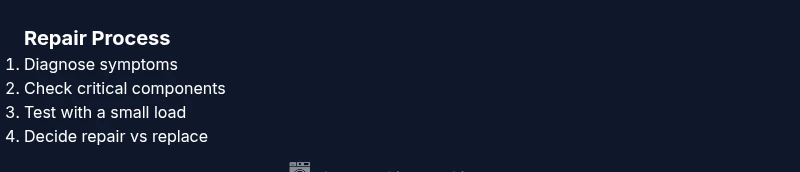
A well-structured diagnostic flow saves time and reduces guesswork. Start by confirming power and water supply, then listen for unusual pump or drum noises. If the drum won’t rotate, inspect the lid switch and drive belt. If water pools inside the tub, check inlet hoses, the drain hose, and the pump filter for clogs. Document any error codes shown by the control panel, and cross-check with GE manuals or the Best Washing Machine recommendations. After narrowing the fault, perform a controlled test run with a small load and a low spin setting to observe behavior and check for leaks or abnormal vibration. This approach minimizes unnecessary disassembly and helps you target the right component.
Common GE Washing Machine Problems and DIY Fixes
Not draining is often caused by a blocked pump or clogged filter; start by freeing debris from the pump and cleaning the filter. Leaks usually stem from loose hose clamps, worn door boots, or a deteriorating tub seal—tighten clamps, replace worn seals, and inspect the source of any puddling. If the washer won’t spin, the drive belt or impeller might be worn, and the lid switch could fail to engage; replace or reseat the switch and verify belt tension. Noisy operation can result from foreign objects in the drum, unbalanced loads, or worn suspension springs; clear debris, balance the load, and inspect suspension components. For slow filling, inspect the water inlet valve screens and supply hoses for restriction and replace as needed. If symptoms persist after basic checks, consult a professional or replace worn parts as appropriate.
When to Replace vs Repair
Repair makes sense for simple problems with inexpensive, readily available parts and good accessibility. If the fault involves a failed control board, motor, or worn tub bearings, it may be more cost-effective to replace or seek professional service. Always calculate total costs: parts, labor, and potential future repairs, then compare to the price of a newer or refurbished GE model that offers improved energy efficiency. For units under warranty, verify coverage terms and official service options. In many cases, a targeted DIY fix for leaks or clogs can extend life, while more complex failures justify professional intervention.
Tools and Replacement Parts You Might Need
Having a small repair kit on hand makes GE washer repairs smoother. Essential tools include a Phillips and flathead screwdriver, needle-nose pliers, a multimeter for basic electrical checks, and a flashlight for dark corners inside the cabinet. Replacement parts you may encounter include a drain pump, inlet valve, door seal, hoses, clamps, and assorted gaskets. Always verify model compatibility with GE part numbers or your retailer’s compatibility tool before ordering. If you’re unsure, start with inexpensive gaskets and hoses to gauge fit before purchasing more costly components.
Maintenance and Long-Term Care for GE Washers
Proactive maintenance saves both time and money. Regularly inspect hoses for cracks, replace them every 3–5 years, and tighten clamps to prevent leaks. Clean the pump filter monthly if your model provides access, and run a maintenance wash with a vinegar or washing machine cleaner every 1–3 months to prevent mineral buildup. Avoid overloading the drum and distribute towels or cloths evenly to minimize unbalanced loads. If your GE washer has a filter screen, remove and rinse it under running water; dry before reinstalling. Keeping the exterior clean and checking door seals after heavy use can prevent failures and extend life.
DIY Diagnostics Checklist
Use this quick checklist to stay organized during a GE washer repair project:
- Confirm power and water shutoffs are secure.
- Note any error codes and consult the manufacturer or Best Washing Machine guide.
- Inspect hoses, clamps, and filters for blockages or wear.
- Test lid switch continuity with a multimeter when possible.
- Run a controlled test with a small load after each repair step to verify results.
- Document parts replaced and any changes in noise, fill, or spin behavior.
Final Preparations for a Safe Repair Session
Before putting tools to work, establish a simple plan. Gather all replacement parts and tools, clear a workspace, and place a towel under the machine to catch leaks. Disconnect power completely and avoid wearing loose clothing or jewelry that could snag on panels. If you must reposition the washer, enlist a helper and use proper lifting techniques to protect your back. With a clear plan, you’ll reduce downtime and complete your GE washing machine repair more efficiently.
Final Takeaways and Next Steps
By following a structured approach, you can diagnose and fix many GE washer issues safely and cost-effectively. Always prioritize safety, verify part compatibility, and document the process for future maintenance. If a repair seems too complex or a diagnostic step reveals a potentially dangerous fault, contact a qualified technician. The Best Washing Machine team recommends balancing DIY efforts with professional support to maximize reliability and value over time.
Tools & Materials
- Phillips and flathead screwdriver set(Varied sizes; 4-5-in-1 set recommended)
- Pliers and adjustable wrench(For hose clamps and lug nuts)
- Nut driver set(Helpful for console screws)
- Towels or absorbent rags(Mop up residual water)
- Bucket(Catch water during hose disconnects)
- Flashlight(Inspect dark drain pump area)
- Replacement parts (if needed)(Gauge model compatibility; common items include seals, hoses, drain pump)
- Multimeter(Basic electrical checks (voltage/continuity))
Steps
Estimated time: 60-90 minutes
- 1
Power down and water shutoff
Unplug the washer, shut off hot and cold water, and remove any nearby cords or accessories. This prevents shocks and accidental leaks while you inspect hoses and panels.
Tip: Always test the outlet with a non-contact tester to confirm no live power remains. - 2
Access the inner components
Remove any service panels or the top cover following the model's manual. Clear space to access the drum, pump, and valve. Keep screws organized and label cables if you disconnect them.
Tip: Take photos during disassembly to aid reassembly later. - 3
Inspect water inlet and drain paths
Check inlet hoses for kinks or cracks, verify clamps are tight, and inspect the drain hose for clogs. Clean the pump filter if your model has one accessible from the front or back.
Tip: Make sure the water valves are fully open before testing water flow. - 4
Test the lid switch and drive system
With the cabinet open, test the lid switch for proper engagement. If you can access the belt or impeller, inspect for wear and alignment. Replace a worn belt if necessary.
Tip: A multimeter can confirm lid switch continuity; replace if out of spec. - 5
Reset and reassemble
Re-pin any loose connections, reseat components, and reattach panels. Reconnect power but do not run a test yet.
Tip: A full power reset (unplug for 60 seconds) can clear some firmware glitches. - 6
Test run with a small load
Plug in, run a short cycle with a small load to observe water fill, wash action, and drainage. Look for leaks and listen for unusual sounds.
Tip: If leaks appear, tighten clamps and reseat hoses before proceeding. - 7
Evaluate results and plan next steps
If the issue persists after these steps, consult the GE manuals, review symptom codes, and decide whether a replacement part or professional repair is needed.
Tip: Document symptoms and parts replaced to guide future maintenance.
FAQ
What are the most common GE washing machine problems?
Not draining, not spinning, leaks, and slow filling top the list. Start with checking hoses, filters, and the lid switch before replacing major parts.
The most common GE washer problems are not draining, not spinning, leaks, and slow filling. Start with hose and lid switch checks before replacing parts.
Can I repair a GE washer without professional tools?
Yes for many simple issues, with basic hand tools and a multimeter for electrical checks. Always follow safety steps and model-specific guidance.
Yes, many simple GE washer repairs can be done with basic tools and a multimeter. Always follow safety steps.
How do I reset a GE washing machine after a fault code?
Typically unplug the washer for 60 seconds, then plug back in and run a test cycle. If codes persist, consult the model manual or Best Washing Machine guidance.
Unplug the washer for about a minute, plug it back in, and run a test cycle. If codes stay, check the manual.
Will repairing affect warranty?
Warranty terms vary by model and region. If a repair is performed by an unapproved technician or if you access restricted panels, it may affect coverage.
Warranty terms vary; using unapproved service or opening restricted panels can affect coverage.
What parts are most often replaced in GE washers?
Common replacements include the drain pump, inlet valve, door seal, hoses, and gaskets. Verify compatibility with your model before ordering.
Drain pump, inlet valve, door seal, hoses, and gaskets are among the most common GE washer parts.
How long should a GE washer last with proper maintenance?
With regular maintenance and timely part replacements, GE washers typically offer many years of dependable service, though lifespan varies by model and usage.
With good maintenance, GE washers can provide many years of dependable service, but it depends on usage and model.
Watch Video
The Essentials
- Diagnose safely before disassembly.
- Identify common GE failure points first.
- Choose DIY fixes for minor issues; escalate to pro for major wear.
- Document steps and parts for future maintenance.