Rinse in Washing Machine: A Practical How-To Guide
Learn how to rinse effectively in a washing machine, reduce detergent residue, and protect fabrics with a practical, step-by-step guide and pro tips for everyday washers.


Rinse in washing machine: you’ll finish the wash by thoroughly removing detergent and residues. A thorough rinse helps prevent skin irritation and fabric stiffness. To do this, set the machine to a dedicated rinse cycle (or Extra Rinse if available), choose a fabric-friendly temperature, and avoid overloading the drum. If you’re sensitive to detergents, use cold water and an extra rinse for best results.
Understanding the rinse in washing machine
Rinse is the stage after your main wash where clean water circulates through the drum to lift away soap, fabric softener, and soil that has loosened during washing. A thorough rinse helps prevent skin irritation from residual detergents and improves fabric feel. When you understand how rinse works, you can adjust settings to match fabric type and water conditions. The rinse water carries away loosened particles and gradually removes suds until the drum water runs clear. In many modern machines, you may see options labeled Extra Rinse, Rinse Plus, or simply Rinse. Each option varies by model, but the goal is the same: use enough clean water and a gentle agitation pattern to sluice away residual soap without damaging fibers. The Best Washing Machine Team notes that a proper rinse uses the correct water flow, adequate agitation, and a balanced load to ensure every item is rinsed evenly. If you have hard water, more than one rinse can help reduce mineral buildup on fibers. In addition, rinsing well helps minimize buildup that can trap odors over time.
How rinse cycles work: water, temperature, and agitation
During the rinse, the drum alternates filling with clean water and spinning to remove suds. Temperature affects how soap is released; cold water generally preserves fabrics and saves energy, while warm water can help dissolve soap for heavily soiled items. Some models use multiple small fills (pulsing) rather than a single fill; this improves agitation and ensures a thorough rinse. The rinse cycle also relies on a balanced load; an unbalanced drum can reduce rinsing efficiency. In a typical residential washer, the detergent dispenser is flushed during the rinse to prevent soap from sticking in the dispenser. If your model offers an extra rinse option, this adds an additional water pass to remove lingering suds. According to Best Washing Machine Team, adjusting cycle settings to the fabric type and soil level yields better rinse results.
When to use an extra rinse or a sanitizer rinse
Extra rinse is helpful for households with sensitive skin, people with allergies, or households that use hard water. It is also beneficial when washing towels, bathrobes, or bulky fabrics that retain detergent. A sanitizer rinse is used for items like cloth diapers or baby clothing where extra cleanliness is desired. If you are using color-fast fabrics and light soils, one rinse may be enough, but if you feel soap residue, enable Extra Rinse. Check your machine's user manual to locate the setting and any limitations on cycle duration. The goal is to have clean, soft fabric without soap on the fibers. Best Washing Machine Team suggests testing a small load first to see how many rinses are needed.
Choosing the right rinse cycle for different loads
Light fabrics such as synthetics or blouses often require a gentler rinse with lower spin and cold water. Heavier items like towels and jeans benefit from a standard rinse with a moderate spin to remove moisture. Delicates may require a shorter rinse to prevent damage, or an extra rinse to ensure thorough cleansing without agitation. For white or pale fabrics, avoid hot rinses that could cause shrinking, unless the care label allows. If you wash mixed fabrics, consider a "mixed load" rinse if available, or separate into separate cycles to optimize the rinse outcome. Water quality and detergent choice influence rinse results; in hard water regions, extra rinses can reduce mineral residue. The Best Washing Machine Team recommends adjusting rinse settings based on load type and fabric care labels to maintain garment integrity.
Common issues and troubleshooting rinse problems
Clothes still feel soapy after rinsing: try Extra Rinse or a second rinse cycle. Excess suds can be caused by too much detergent or low water level; verify dispenser usage and water supply. Not rinsing evenly: a heavy load or unbalanced drum can cause inconsistent rinsing; reduce load or rearrange items. Water leaking around the door or seals after rinse could indicate a blocked drain or seal wear; inspect hoses and door gaskets. Not draining after rinse: check the drain hose for kinks or clogs and run a maintenance rinse. If the issue persists, consult the manual or contact service. Regularly cleaning the detergent dispenser and drum drain can prevent buildup and improve rinsing performance.
Best practices for energy and water efficiency during rinsing
Rinse cycles account for a portion of water use; to minimize impact, choose cold water rinses when possible and avoid extra rinses unless needed. Loading properly and using appropriate cycle options reduces the total rinse time. Consider using high-efficiency (HE) machines and high-efficiency detergents that are designed to rinse clean with less water. If you live in a region with water restrictions, you can combine rinse with wash cycles or utilize pre-wash inhibitors. The Best Washing Machine Team recommends reviewing energy-use and water-use settings in the user manual and selecting the most efficient rinse options for each load.
Tools & Materials
- Washing machine user manual(Keep handy to confirm rinse options and temperature settings.)
- Laundry load (sorted)(Group similar fabrics for even rinsing.)
- Measuring cup for additives (optional)(Only if your model advises it.)
- Lint-free cloth(Use to wipe seals after rinsing.)
- Power outlet and water supply access(Ensure the machine can run safely.)
- Extra rinse cartridge or liquid (optional)(If your model supports it.)
Steps
Estimated time: 25-45 minutes
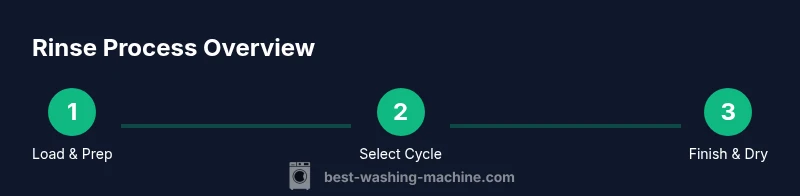
- 1
Check load and prep clothes
Sort by fabric and color; load loosely to allow water and detergent to circulate. Ensure items are evenly distributed to prevent unbalanced spins. Close the door securely before starting.
Tip: Unload overfilled items to ensure effective rinsing. - 2
Select rinse cycle and temperature
Choose the rinse option or Extra Rinse if your model has it. Use cold water for most fabrics to minimize shrinking and color bleed; reserve warm or hot for heavily soiled towels.
Tip: If unsure, cold water is safer for delicate fabrics. - 3
Adjust spin speed
Set a moderate spin to balance moisture removal with fabric care. Higher speeds remove more water but can cause wrinkles on delicate fabrics.
Tip: Reduce spin for delicate items; choose higher speeds for towels. - 4
Start the rinse and monitor
Start the machine and observe for proper agitation and drainage. If you hear unusual noises or see standing water, stop and check the load.
Tip: Stop early if odors appear; check for detergent buildup. - 5
Enable Extra Rinse if needed
If you suspect detergent residue, enable Extra Rinse to improve rinsing effectiveness. This is especially helpful for sensitive skin or hard water.
Tip: Use extra rinse on towels and baby clothing. - 6
Post-rinse care
Once finished, promptly remove clothes to prevent wrinkles. Wipe the door seal and drum to remove moisture that could promote mold.
Tip: Leave the door ajar after rinsing to air-dry the drum. - 7
Check for residue and air-dry
Feel fabrics for any soap after the final rinse. If residues remain, run a shorter rinse cycle or clean the detergent dispenser.
Tip: Consider running a maintenance rinse periodically. - 8
Document settings for future loads
Note which rinse settings you used for different fabrics to simplify future wash days and maintain consistency.
Tip: Keep a simple log near the machine for reference.
FAQ
What is the purpose of the rinse cycle?
The rinse cycle removes residual detergent and fabric softeners after washing, helping fabrics feel fresh and reducing skin irritation.
The rinse cycle washes away leftover soap so clothes feel clean and are safe to wear.
Can I skip the rinse and only use Extra Rinse?
You should not skip rinsing entirely. If you use Extra Rinse, it still provides a thorough wash to remove detergents; ensure the cycle is appropriate for your fabrics.
Skipping rinsing can leave detergent on clothes; use the rinse setting or Extra Rinse.
What should I do if detergent smells remain after rinsing?
If you still detect detergent odor, run an additional rinse cycle or clean the detergent dispenser to remove residues.
If you smell soap, run another rinse and check the dispenser for buildup.
Is cold water better for rinsing?
Cold water is generally gentler on fabrics and saves energy; use it for most loads unless the care label says otherwise.
Cold rinses are usually best for fabrics and energy saving.
What if my washer won’t drain after rinsing?
If the washer won’t drain after a rinse, inspect the drain hose, check for clogs, and consider running a maintenance rinse or consulting the manual.
If it won’t drain, check the hose and filters, then run a maintenance rinse.
How often should I run a maintenance rinse?
Run a maintenance rinse periodically to prevent detergent buildup and mildew inside the drum and dispenser.
Do a maintenance rinse from time to time to keep the washer clean.
Watch Video
The Essentials
- Rinse removes detergent residue for fabric care.
- Use Extra Rinse when detergent buildup is likely.
- Choose appropriate water temp to protect fabrics.
- Monitor the rinse for unusual behavior and adjust.
- Regular maintenance improves rinse effectiveness.