Washing Machine to Garden Hose: Safe Greywater Guidance
Explore safe graywater reuse from laundry to a garden hose. This guide covers legal considerations, safety practices, and practical, low-risk options for homeowners.


Goal: Learn to safely use a washing machine to garden hose for greywater, focusing on legality, safety, and proper components. This guide covers planning, space evaluation, and best practices to minimize risk while supporting a healthy garden. Direct hookups from a washing machine drain require compliant devices and permits. Consult local regulations for permits and product approvals before attempting any physical connection.
Understanding greywater and the concept of washing machine to garden hose
Greywater is the relatively clean wastewater from household uses like laundry. Some homeowners explore redirecting this water to garden beds through a garden hose as a water-saving strategy. However, a direct, unregulated hookup—such as a washing machine to garden hose connection—can raise safety, health, and legal concerns. According to Best Washing Machine, researching graywater basics and local rules helps homeowners avoid unsafe, non-compliant setups while still benefiting from responsible reuse. In this block, we outline what graywater is, why people consider this approach, and where it’s appropriate to reuse water.
Safety-first: key cautions before attempting any reuse
Before touching hoses or modifying plumbing, recognize that greywater reuse carries risks if detergents contain phosphates, toxics, or bleaches. Always avoid drinking water sources and know that many jurisdictions restrict direct connections from appliances to outdoor hoses. The safety foundation includes using non-toxic detergents, installing approved diverters, and ensuring filtered, non-potable water only reaches non-edible plant areas. The aim is to prevent skin contact, soil contamination, and odors while protecting children and pets.
What constitutes safe graywater quality and detergents for garden use
Safe graywater is not purified water, but treated properly for non-potable irrigation. Choose low-suds, phosphate-free detergents and avoid chlorine bleach, solvents, or oils that can harm soil biology or plant roots. If your laundry routine relies on specialty detergents, check the label for greywater compatibility. Using approved products reduces risk to plants, soil microbes, and groundwater, supporting a healthier garden without hazardous buildup.
Planning a compliant approach: design choices that don’t rely on risky direct hookups
Rather than tying a washing machine drain directly to a garden hose, many homeowners use compliant graywater kits, diverter valves, or simple catchment plans. The goal is to redirect water safely into a mulch basin, a dedicated reservoir, or a non-edible-container irrigation system, with clear separation from potable water. If you live in an area that bans direct appliance-to-hose connections, focus on legally accepted methods and purpose-built hardware to meet local codes.
Step-by-step strategy to evaluate space and local regulations
Begin by mapping your yard: locate where lawn or garden areas reside, what plants you’ll water, and how far water must travel from the house. Then, check local ordinances and permitting requirements for greywater use—municipal and regional rules vary widely. If permits are required, obtain them before purchasing equipment. Finally, assess available space for a small, compliant graywater system that avoids cross-connection with the drinking water supply and ensures safe discharge.
Alternatives to direct washing-machine-to-garden-hose hookups
There are safer, legal ways to reuse laundry water without wiring a drain into a hose. Collect wash water in a dedicated container and use it promptly for non-edible plants or composting areas, or employ drip irrigation with a mulch-based system that the water reaches passively. Another option is to install a certified graywater kit that provides labeled outlets and a dedicated discharge path, ensuring separation from the potable system and compliance with codes.
Common myths debunked and practical tips for safe reuse
Myth: graywater reuse is illegal everywhere. Reality: rules vary; some regions permit it with safeguards. Myth: all detergents are safe for graywater. Reality: many products harm soil biota; always verify. Tip: start small with a controlled test area and monitor soil moisture, odors, and plant health. If you notice persistent issues, halt reuse and consult a professional.
Maintenance, monitoring, and warning signs to watch for
Ongoing checks are essential. Look for foul smells, soggy soil, or persistent dampness near discharge points, which can indicate leaks or improper setup. Inspect pipes, valves, and filters for clogs. Regularly update detergents to ones labeled graywater-safe and flush the system periodically to prevent buildup. If you observe pests or standing water, pause reuse and reassess the configuration.
Putting it all together: a safe, practical workflow for homeowners
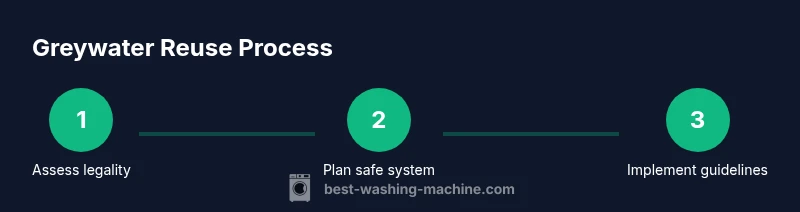
A conservative approach starts with education, legal clarity, and safe design. Treat graywater reuse as a managed process rather than a hack: choose approved equipment, follow instructions, and maintain clear separation from drinking water sources. By using a plan-based, compliant path, you can support a thriving garden without compromising home safety or local regulations. The Best Washing Machine team recommends prioritizing safety and compliance above all.
Tools & Materials
- Non-toxic, graywater-safe detergent(Plainly labeled as safe for graywater use)
- Dedicated garden hose with backflow preventer(Prevents contamination of potable water)
- Approved graywater diverter kit or kit components(Designed for safe redirection of laundry water)
- PPE: gloves and eye protection(Protect skin and eyes during handling)
- Catchment container or mulch basin(Optional for non-edible plant areas)
- Soil moisture meter or basic soil test kit(Helps monitor soil health)
- Drip irrigation components (filters, emitters)(For controlled distribution if using kits)
- Clear labeling and signage(Indicates non-potable water path)
- Permits or official guidance documentation(Follow local regulatory requirements)
Steps
Estimated time: 2-4 hours of installation discussion and setup plus ongoing monitoring
- 1
Assess legal requirements
Research local regulations and permits related to graywater use where you live. Verify whether a direct washing machine-to-garden hose connection is allowed, and identify approved equipment for any system.
Tip: Start with your city or county environmental health department's graywater guidance. - 2
Plan a compliant approach
Decide on a non-direct approach (e.g., a certified graywater kit or a dedicated catchment system) that clearly separates graywater from the potable water supply. Sketch how water will flow without crossing into drinking water lines.
Tip: Choose equipment with clear labeling for non-potable use. - 3
Gather essential components
Collect a diverter kit, non-toxic detergent, backflow-protected hose, and safety gear. Confirm compatibility with your washing machine model and local code requirements before purchasing.
Tip: Double-check that the kit is designed for laundry graywater use. - 4
Prepare discharge area
Set up a dedicated discharge zone away from edible plants and fresh water sources. Place a catchment container or mulch basin to absorb and direct the flow.
Tip: Ensure the area has good drainage and isn't prone to standing water. - 5
Install and test the system
Install the diverter or kit per manufacturer instructions and perform a careful test with a small amount of water. Check for leaks and ensure the water goes to the intended non-potable path.
Tip: Test with cold water first to minimize risk and observe the flow path. - 6
Monitor soil and plant health
Observe soil moisture and plant vigor after several cycles. If signs of stress appear, stop and reassess detergent choice or discharge location.
Tip: Use a moisture meter and inspect leaves for whitening or browning. - 7
Maintain and adjust
Clean filters regularly, replace faulty valves promptly, and update practices with any new regulations or recommendations from the local extension service.
Tip: Document changes and monitor seasonal weather impacts on discharge paths.
FAQ
Is it legal to connect a washing machine drain to a garden hose?
Regulations vary by location. Some areas permit graywater reuse with safeguards, while others prohibit direct connections. Always check local codes and obtain any required permits before attempting any hookups.
Regulations vary by location. Check local codes and permits before attempting graywater reuse.
What detergents are safe for graywater?
Look for detergents labeled greywater-safe or suitable for non-potable irrigation. Avoid products with bleaches, solvents, or phosphates that can harm soil ecology.
Use graywater-safe detergents, avoiding bleaches or phosphates.
Can I water edible plants with laundry graywater?
Most guidelines discourage using graywater on edible crops due to potential residues. Consider applying to non-edible landscape areas or using filtered, properly treated waters where permitted.
Avoid using graywater on edible crops where not permitted.
What are warning signs of an improper setup?
Look for foul odors, soggy soil, or persistent damp patches near discharge areas. These signs indicate leaks, improper drainage, or design flaws requiring immediate attention.
Watch for foul smells and soggy soil as signs to pause reuse.
Where can I learn more about local graywater guidelines?
Consult your local extension service, environmental health department, or city code portal. They provide region-specific rules and recommended practices for safe graywater use.
Check local extension services and city codes for guidance.
Watch Video
The Essentials
- Plan around safety and legality before setup.
- Use approved equipment and non-toxic detergents.
- Avoid direct, unregulated connections between appliance drains and potable water.
- Monitor soil health and adjust practices as needed.