Washing Machine with Vinegar: Safe Cleaning Guide
Learn how to safely clean and deodorize your washing machine using vinegar. This comprehensive guide covers best practices, step-by-step instructions, safety tips, and maintenance routines for front- and top-loaders.


Goal: Clean and deodorize your washing machine with vinegar. Safely use a vinegar cleaning cycle by adding 1–2 cups (250–500 ml) of white vinegar to the drum and running a hot cycle with no laundry. Rinse afterward with a plain water cycle, and never mix vinegar with chlorine bleach.
Why Vinegar is a Popular Cleaning Agent for Washers
Vinegar is a natural acid (acetic acid) that can help break down mineral deposits, soap scum, and odors. When used in moderation, it can be a safe, inexpensive alternative to harsher chemical cleaners in many residential washers. According to Best Washing Machine, vinegar is a versatile, affordable cleaner for home laundry. It can help loosen buildup on the drum, hoses, and seals, and freshen fabrics without leaving behind harsh residues. This makes vinegar a practical option for regular maintenance, especially in households that frequently run full loads and notice lingering smells. While it is not a miracle cure for every issue, it effectively supplements routine cleaning when used as part of a broader care plan.
For most washers, a simple vinegar routine can reduce mineral buildup and deodorize the drum. The key is to keep quantities modest, to avoid overpowering the machine’s sensors, and to ensure thorough rinsing after the cycle. Keep in mind that flavors or additives in household vinegars other than plain white vinegar can leave residues or discolor finishes, so opt for distilled white vinegar for cleaning tasks. Proper storage in a cool place helps maintain vinegar’s effectiveness over time.
Safety Considerations and What Vinegar Can and Cannot Do
Vinegar is generally safe for removing soap scum and light mineral deposits, but it is not a universal solution. Do not mix vinegar with chlorine bleach or ammonia, as dangerous gases can form. Avoid leaving vinegar on rubber gaskets or seals for extended periods, which could cause minor wear over repeated cleanings. Instead, run a complete cycle and then rinse thoroughly. Vinegar should be used as part of a scheduled maintenance routine, not as a stand-in for professional servicing when a washer is leaking, not draining, or displaying error codes. If your model has a manufacturer cleaning cycle, consult the manual and follow the recommended cycle if it aligns with vinegar use. Best Washing Machine analysis emphasizes using vinegar as a monthly or quarterly deep-clean option, rather than a daily cleaner.
How Vinegar Works in Different Washer Types (Front-Load vs Top-Load)
Front-load washers typically use a tumbling action with a gasket around the door, which can trap moisture and odors. A vinegar cleaning cycle can help dissolve soap scum and mineral buildup on the drum interior and around the gasket. For top-loaders, adding vinegar to the drum allows the liquid to circulate through the agitator and tub surfaces, evenly distributing the cleaning action. In both types, avoid adding any laundry during the cleaning cycle so the vinegar can reach all surfaces without interference. After the cycle, run an extra rinse to remove any residual vinegar scent and ensure that seals remain pliable and clean. This approach aligns with common maintenance guidance from authoritative sources and is supported by practical field experience from many households.
Step-by-Step Protocol: Running a Vinegar Clean Cycle
A practical, repeatable method helps ensure consistent results:
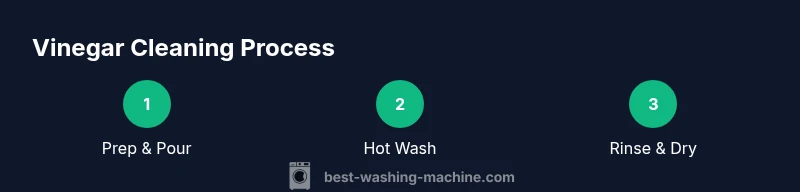
- Step 1: Prepare and safety-check. Empty the drum, unplug if your model requires it for cleaning access, and read the manual for any model-specific cautions. WHY: Safety and model-specific guidance prevent accidental damage. Pro tip: Have towels ready to catch any drips and wear gloves if you’re sensitive to vinegar.
- Step 2: Add vinegar to the drum. Pour 1–2 cups (250–500 ml) of white vinegar into the drum. WHY: This amount provides cleaning strength without creating excessive fumes or residue. Tip: Use a measuring cup for accuracy and avoid flavored vinegars.
- Step 3: Run a hot wash cycle with no laundry. Set the hottest available temperature and run a full cycle to maximize cleaning action. WHY: Heat enhances the breakdown of mineral deposits and soap scum. Pro tip: If your machine has a cleaning or sanitation setting, you can use that instead.
- Step 4: Rinse and inspect. After the cycle, run an empty rinse to flush any loosened residues. WHY: Ensures all byproducts are removed and odors are minimized. Tip: Wipe the drum and door gasket with a microfiber cloth.
- Step 5: Optional secondary rinse. If you still detect a vinegar scent, run an additional rinse cycle. WHY: Extra rinsing removes lingering odors and improves freshness. Pro tip: Open the door slightly after drying to air out any remaining smell.
- Step 6: Dry and resume normal use. Wipe seals, dry the door, and wait for the drum to air-dry before loading again. WHY: Dry surfaces reduce mold risk and keep gaskets pliable. TIP: Schedule the cleaning for a weekend or a lower-use day to avoid interrupting laundry.
Estimated total time: 45–60 minutes, depending on cycle choices and machine type.
Vinegar vs Other Cleaning Agents: Pros and Cons
Vinegar is inexpensive and readily available, making it a convenient option for routine maintenance. It is effective at removing mineral buildup and odors and is generally safe when used correctly. Compared with baking soda, vinegar is acidic and can target mineral deposits more efficiently. Citric acid can be gentler on some materials but may require more product or a different approach for thorough cleaning. Hydrogen peroxide can offer disinfection benefits, but it should never be mixed with vinegar due to potential chemical reactions. In practice, many households use vinegar for monthly deep-cleaning, while baking soda or citric acid may be used for occasional odor or buildup challenges. Always test on a small area if you’re unsure how your washer reacts to a specific cleaner and follow manufacturer recommendations for sensitive components.
Common Problems and How to Avoid Them
If you notice a persistent vinegar odor after the cycle, run another rinse and leave the door ajar for a while to air out. If liquids leak from seals during cleaning, pause and check that the drum is not overfilled and that hoses are secure. Do not use vinegar on stone surfaces or on metal finishes that might be sensitive to acidity over time. If your washer has a persistent odor or visible residue after cleaning with vinegar, you may need a deeper cleaning with appropriate products recommended by the manufacturer or a service visit. In all cases, avoid mixing cleaners, follow manual guidance, and never operate the machine if you suspect a plumbing or mechanical fault. Best Washing Machine emphasizes that vinegar is a supplementary cleaning aid, not a substitute for professional repair when issues beyond mineral buildup arise.
Maintenance Schedule and Best Practices
To keep your washer smelling fresh and performing well, establish a simple cleaning cadence. Use vinegar for a dedicated monthly or quarterly deep-clean, depending on usage, water hardness, and load frequency. Between deep cleans, wipe the door gasket and detergent drawer after each use to prevent soap scum buildup. If you notice unusual noises, leaks, or not-spinning cycles, stop using the machine and consult the user manual or a professional technician. When applying vinegar, avoid storing bottles near heat and keep vinegar away from colored fabrics to prevent accidental staining of garments during cycles. The overall goal is to balance effective cleaning with preserving seals and gaskets over time. Regular maintenance reduces the likelihood of odors and scale buildup, helping your washing machine last longer.
AUTHORITY SOURCES
- https://www.epa.gov
- https://www.energy.gov
- https://www.consumerreports.org
These sources provide general guidance on safe household cleaning practices, energy efficiency considerations, and consumer product testing. Always cross-reference manufacturer recommendations for your specific washer model when implementing vinegar-based cleaning routines.
Tools & Materials
- White vinegar (5-6% acidity)(Opt for distilled white vinegar; avoid flavored vinegars or those with additives)
- Distilled water(For diluting or rinsing as needed)
- Measuring cup (250 ml or 1 cup)(For accurate vinegar quantity)
- Old toothbrush or soft brush(For scrubbing around gaskets and knobs)
- Microfiber cloth or soft towel(For wiping drum, gasket, and door seal)
- Bowl or bucket(For collecting drips during wipe-down)
- Gloves(Wear if you have sensitive skin or prefer extra protection)
- Wrench or pliers (if needed)(Only if you need to secure hoses during maintenance)
Steps
Estimated time: 45-60 minutes
- 1
Review safety and prep
Ensure you understand your washer model's cleaning guidance and unplug if required by the manual. Clear the area and remove laundry to avoid contamination. Prepare your cleaning cloths and vinegar ahead of time so you can proceed smoothly.
Tip: Check the manual for any model-specific cautions before starting. - 2
Add vinegar to the drum
Measure 1–2 cups (250–500 ml) of white vinegar and pour it into the drum. Do not pour vinegar into the detergent dispenser unless the manual specifies it as a cleaning method. This step ensures the vinegar contacts the interior surfaces.
Tip: Use a measuring cup to keep quantity consistent. - 3
Run a hot wash cycle with no laundry
Set the machine to the hottest available cycle and run a full wash without clothes. The heat helps break down mineral deposits and soap scum. If your model has a dedicated cleaning cycle, you can use it instead while ensuring vinegar compatibility.
Tip: Avoid adding laundry that could trap vinegar smells. - 4
Rinse and inspect
Once the cycle completes, run an empty rinse cycle to flush out loosened residues. Wipe the drum interior and door gasket with a microfiber cloth to remove any remaining build-up and to check seals for signs of wear.
Tip: If you still smell vinegar, run an additional rinse. - 5
Inspect seals and hoses
Inspect the door gasket, seals, and visible hoses for any signs of wear or cracking. Cleaning with vinegar should not be a substitute for professional seal replacement if you notice damage. Address issues promptly to prevent leaks.
Tip: Keep seals dry after cleaning to discourage mold growth. - 6
Dry and resume normal use
Dry the drum and door area, then wait for surfaces to air-dry before loading laundry again. Refrain from heavy use until you’re confident that odors have dissipated. Return to normal laundry practice with periodic maintenance.
Tip: Schedule the next cleaning based on usage and water hardness.
FAQ
Can vinegar damage my washing machine?
When used in moderation and as part of a regular maintenance routine, vinegar is generally safe for most washers. Avoid prolonged exposure to acidic cleaners on rubber seals, metal parts, or stone surfaces, and always rinse thoroughly.
Vinegar is usually safe in small amounts if you follow up with a rinse and avoid prolonged exposure on seals.
Is vinegar effective for odor removal?
Yes, vinegar helps neutralize odors by breaking down soap scum and mineral buildup that traps smells. For persistent odors, follow with an extra rinse or a secondary cleaning cycle.
Vinegar can help odors, especially when combined with thorough rinsing.
Should I use hot or cold water for vinegar cleaning?
Using hot water increases cleaning efficacy by accelerating chemical action. A hot wash cycle is generally recommended for a vinegar cleaning routine.
Hot water makes vinegar work better for cleaning.
Can I mix vinegar with baking soda or other cleaners?
Avoid mixing vinegar with baking soda or hydrogen peroxide at the same time because the combination can create foaming and reduce effectiveness. Use them separately if needed.
Don't mix vinegar with baking soda at the same time.
How often should I clean my washer with vinegar?
Most households find monthly or quarterly deep-clean cycles using vinegar effective, depending on usage, water hardness, and odor recurrence.
Clean monthly or quarterly, based on how you use your washer.
Watch Video
The Essentials
- Use vinegar as a maintenance cleaner, not a repair method.
- Always run a thorough rinse after the cleaning cycle.
- Do not mix vinegar with bleach or ammonia.
- Wipe and dry seals to prevent mold and odor buildup.