What to Wash Trainers On in a Washing Machine: Safe Settings
Learn how to machine-wash trainers safely with cold water, gentle cycles, and the right detergent. This guide covers prep, bagging, drying, and common mistakes to protect sneakers and your washer.


Why washing trainers in a washing machine is a common question
For many households, sneakers are a daily companion. The question of whether to machine-wash trainers comes up often, especially when facing muddy trails or gym floors. According to Best Washing Machine, machine-washing sneakers can be safe and effective if you follow a few practical rules. The goal is to clean without harming delicate fabrics, adhesives, or color dyes. This section outlines the factors that influence safety: material type (canvas, mesh, leather), construction quality, and the presence of foam cushioning. We also cover how repeated missteps—such as using hot water, oversized loads, or harsh detergents—can shorten the life of your trainers. By understanding these variables, you can decide when the machine is appropriate and how to set it up to protect both your shoes and your washing machine. This knowledge is the foundation for the rest of the guide.
What materials trainers are made of and how that affects washing
Sneakers come in a range of materials: canvas, knit mesh, suede, leather, and synthetic blends. Each fabric reacts differently to water, friction, and detergents. Best Washing Machine analysis shows that cotton-based canvas and most mesh sneakers tolerate cold-water cycles well, while leather and suede require extra care or hand-cleaning. Fabric adhesives and midsole foams can swell or separate if exposed to too much agitation or heat. Colorfastness also matters: dark dyes may transfer, and white midsoles can yellow if treated with strong bleaches. In this section, you’ll learn to categorize your trainers by material and choose appropriate treatment. If you’re unsure about a pair's makeup, check the manufacturer’s guidelines or test a hidden area with a small amount of detergent. With the right material awareness, you minimize risks and maximize cleaning results.
Prep steps: cleaning laces, insoles, and removing debris
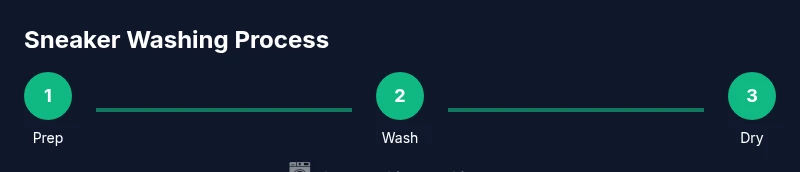
Before loading, set aside laces and insoles, then brush off loose dirt from the uppers and midsoles. Remove any detachable parts and inspect seams for wear. A quick rinse under running water can help loosen caked mud, making the washing cycle more effective. If you notice odor or sweat buildup, a light pretreat with a mild detergent can help loosen oils. These prep steps reduce the chance of staining and protect internal cushioning during agitation.
The right cycle and temperature for trainers
Choose a gentle or synthetic cycle with cold water to minimize fabric stress and dye migration. The duration should be limited to 30-40 minutes depending on the load and soil level. High heat and long cycles can warp soles, peel adhesives, or shrink fabrics. If your machine offers a “delicate” or “sportswear” setting, use it. Best Washing Machine recommends avoiding hot washes for most sneakers unless the manufacturer specifically approves it. This choice preserves color, fit, and overall sneaker integrity.
How to protect sneakers during washing: bags, pillowcases, and mesh
Place each pair in a dedicated mesh washing bag or an old pillowcase to cushion it from hard drum walls. Zippered bags provide extra protection for delicate mesh panels and lace holes. If you’re washing multiple pairs, balance the load by placing shoes opposite each other and adding a couple of towels to absorb vibration. Never wash sneakers bare loose in the drum; uneven mass can cause extra wear on the machine and the shoes.
Detergent choices and additives for trainers
Use a mild detergent designed for athletic wear or delicate fabrics. Avoid concentrated bleach or heavy-duty cleaners that can discolor fabrics or degrade adhesives. For odor control, a splash of white vinegar in the rinse cycle can help neutralize smells without harming materials. Do not exceed the detergent amount recommended on the label; excess soap can leave residue and stiffen fabrics. Color-safe detergents are preferable for colorways to prevent color transfer.
Load handling: balancing load and avoiding damage
Aim for a balanced drum: pair sneakers with similar weights or add towels to stabilize the load. An unbalanced load increases vibration, which can loosen seams and shorten machine life. If your washer has a vibration or spin-speed optimization setting, enable it to minimize movement. Always check pockets before loading to avoid trapping coins or debris that could damage the drum or pump. This careful loading protects both footwear and appliance.
Drying strategies: air-dry vs tumble-dry, and how to dry properly
Avoid tumble drying in most cases; heat can warp materials and crack soles. Remove insoles and laces to air-dry separately. Stuff shoes with clean towels to absorb moisture and maintain shape, then place them in a well-ventilated area away from direct heat or sunlight. If you must use a dryer, use the lowest heat setting and a short cycle, but only after ensuring the sneakers are dryer-safe according to the manufacturer. Air drying typically yields the best long-term results.
Post-wash care: deodorizing and preventing odors
Once dry, season the interiors with baking soda or activated charcoal sachets to keep odors at bay. Regularly rotating your sneakers and giving them time to dry between wears reduces odor buildup. Wipe down the uppers with a damp cloth and allow air circulation in a dry, sunny spot. Store shoes with enough space to avoid damp skin and mold. These habits help extend the life of both the footwear and your washing machine.
Troubleshooting: stains, dye transfer, or color fading
If a stain persists, repeat a gentle wash cycle with a small amount of detergent on the affected area. For dye transfer, a color-safe stain remover applied to the exterior can help, but test a discreet spot first. If color fading occurs, discontinue aggressive cleaners and revert to milder products and cooler water. Always air-dry thoroughly before wearing again to prevent mold and odor formation.
Special cases: leather, suede, or mesh trainers
Leather and suede require hand-cleaning or spot treatment; machine washing can cause stiffness, cracking, or texture changes. Mesh sneakers with a lot of stretch can rebound after washing but should still be washed on delicate cycles. For leather, consider conditioning after cleaning and avoid soaking. If unsure, consult the brand’s care guide or a professional cleaner. Best Washing Machine emphasizes material-specific care to avoid expensive repairs.
Maintenance: keep washer and sneakers in good shape
Regularly clean the washing machine drum and seal to prevent odor transfer and residue buildup that can affect clothing and footwear. Inspect voltage and avoid washing with heavy piles of dirt or sand that could scratch the drum. After washing sneakers, run a quick rinse cycle with no clothes to purge any residual soap. By keeping your machine clean and sneakers properly cared for, you extend the life of both.