What washing machine setting for blankets: A practical guide
Discover the best washing machine setting for blankets to protect fibers and remove dirt. This guide covers blanket types, cycle choices, temperatures, and drying tips from Best Washing Machine.


To clean blankets safely, start with a gentle cycle using cold or warm water and a large-capacity drum. Use a mild detergent and skip bleach. For wool or delicate blankets, choose a wool or delicate setting if available and reduce the spin speed to protect fibers. If unsure, run a short test load and air-dry when possible.
Why the right setting matters
Washing blankets correctly protects fibers, preserves color, and reduces pilling. The settings you choose influence agitation, water level, and spin speed, all of which affect how clean a blanket gets and how long it lasts. For the keyword what washing machine setting for blankets, the core idea is to balance gentle cleaning with enough mechanical action to lift soil. According to Best Washing Machine, starting with a gentle cycle on cold or warm water and using a mild detergent is a safe general rule for most blankets. Heavier blankets, such as quilts and bulky throws, often benefit from a large drum and a longer wash time, but you must ensure your machine can accommodate the load without overfilling. If you routinely wash multiple blankets, consider a dedicated large-capacity setting or a cycle designed for bulky items. Remember: the goal is to clean without overstressing the fabric, so you can extend the life of your blankets while keeping them soft and fluffy. This approach also reduces the risk of color transfer when mixing whites and colors.
Blanket types and how they respond to settings
Blankets come in many fabrics, and each type reacts differently to washing machine settings. Cotton blankets are usually sturdy and tolerate regular cycles but may shrink with hot water or high agitation. Synthetic blends like acrylic or polyester are generally forgiving and can withstand normal gentle cycles, even with warm water. Wool and wool-blend blankets require extra care: they are prone to felting and shrinking if exposed to high heat or aggressive agitation. Delicate fabrics such as cashmere or fleece may felt or lose loft if washed on the wrong setting or spin speed. Before washing, always check the care label for specific instructions and colorfastness tests. When mixing blankets in a single load, prioritize similar fiber types and colors to minimize damage and color transfer. If your blankets are heavily soiled or have pet hair, a pre-wash or extra rinse can help. For Best Washing Machine buyers, a modern machine with adjustable cycle options makes it easier to tailor the wash to each blanket type.
Step-by-step decision guide for common blankets
Cotton blankets: use a normal or permanent press cycle with warm water for soil and odor; select a lower spin to reduce wrinkling. Cotton blends: a gentle or normal cycle with warm water is usually sufficient; avoid high heat if colors may bleed. Wool blankets: prefer a wool or delicate setting with cold water; use a short wash, minimal agitation, and a slow spin. Synthetic fleece: a gentle cycle with cold to warm water is effective; consider an extra rinse if shedding occurs. Always consult the care label for any blanket-specific instructions and test on a small area if you’re unsure. If you’re unsure, start with a short wash on a test load and adjust next time based on results. The intent is to tailor the setting to the fabric so you maintain loft and softness while cleaning deeply.
How to load blankets safely and evenly
Load blankets loosely around the drum rather than cramming them together. For large or bulky blankets, consider a two-blanket load with space to move. Avoid mixing heavy blankets with lighter throws in a single cycle as this can create an unbalanced load and noisy operation. Use a low-to-medium water level when possible and ensure the lid or door remains closed securely during the cycle. If you have a front-loading machine, place blankets flat against the drum and avoid stuffing the door area with extra items. After loading, pause briefly to reposition if you hear thumping or see an unbalanced drum before resuming. This simple step reduces wear and helps the blankets come out evenly clean and fluffy.
Temperature, detergent, and cycle combinations
Cold water is gentlest on most blankets and helps preserve color, while warm water can improve stain removal on synthetic fabrics. Use a mild, color-safe detergent and avoid bleach unless the label explicitly allows it for durable white blankets. A gentle or delicate cycle is ideal for delicate fabrics and wool; for very sturdy cotton blankets, a normal or permanent press cycle is acceptable. Consider a longer wash or an extra rinse for heavily soiled or pet-hair-laden blankets, especially if you’re washing multiple items. Always run a short test cycle on a new blanket to check for color bleed or shrinkage. If you’re unsure, choose the gentlest option with a slow spin and monitor the first wash results closely.
Drying strategies and avoiding damage
Air-drying blankets is generally best to preserve loft and avoid shrinking. If you must use a dryer, select a low heat or delicate setting and remove while still slightly damp to prevent overdrying. Add clean tennis balls or dryer balls to reduce clumping and help fluff during drying. Never overshoot with heat for wool or cashmere blankets; extended high heat can cause felting and damage. If air-drying outdoors, avoid direct sunlight for wool and delicate fabrics to prevent fiber fatigue and color fading. Check for damp pockets after drying and ensure the blanket is completely dry before storing to prevent mildew and odors. A properly dried blanket will stay soft longer and resist stretching.
Common mistakes and troubleshooting
A frequent error is washing blankets on a cycle that’s too aggressive. This can lead to pilling, shrinkage, and fiber wear. Another mistake is overloading the drum, which prevents effective agitation and rinsing. Mixing colors without testing colorfastness can cause dye transfer. If you notice persistent lint, odor, or leftover detergent, try an extra rinse or run a second, shorter wash with fresh water. For wool or delicate blankets, avoid high temperatures and strong agitation to prevent felting. If your machine shows an unbalanced load indicator, pause and rearrange blankets before resuming. Finally, always consult the care label; it’s the most reliable guide for the best blanket care practices.
Quick reference: cycle chart and tips
- Cotton blanket: Normal or permanent press, warm water, low to medium spin. - Wool blanket: Wool/delicate, cold water, gentle spin. - Synthetic blanket: Gentle cycle, cold to warm water, slow spin. - Very large or bulky blankets: Large-capacity setting or bulky items cycle if available. - Always test a small area if you’re unsure about colorfastness or shrinkage.
Maintenance tips for your washer to optimize blanket care
Regular maintenance helps protect blankets over time. Clean the lint filter frequently, especially when washing fluffier blankets. Run a cleaning cycle or a hot wash with a manufacturer-approved cleaner to remove soap scum buildup. Check hoses for wear and replace as needed to prevent leaks. Keep the drum free of residues by using a small amount of detergent and avoiding overdosing. Periodically inspect the door seal and displacement parts for wear and replace if necessary. A well-maintained machine is gentler on fabrics and produces cleaner results with less energy and water usage.
Tools & Materials
- Washing machine with adjustable cycles(Front- or top-loading with a large drum (at least 4.5 cu ft))
- Mild detergent(Plain, color-safe detergent; fragrance-free is best for sensitive blankets)
- Measuring scoop(Optional for consistent detergent use)
- Drying rack or clothesline(Air-drying is preferred for most blankets)
- Color-safe stain remover(Use only if needed for spot treatments)
Steps
Estimated time: 60-90 minutes
- 1
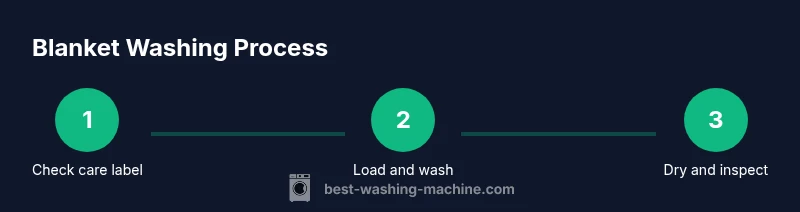
Check blanket type and care label
Read the label to confirm fabric type, colorfastness, and any washing restrictions. This determines the cycle and temperature you should use. If the label suggests special care, choose the most gentle option that still provides cleaning action.
Tip: If unsure about colorfastness, test on a hidden seam with a small amount of detergent. - 2
Load blankets evenly
Place blankets loosely around the drum, avoiding overpacking. A balanced load prevents banging and ensures thorough rinsing.
Tip: Distribute blankets around the drum to avoid clumping in one spot. - 3
Choose cycle and temperature
Select a gentle or wool/delicate cycle for wool or delicate fabrics; use cold to warm water for cottons and synthetics. Adjust spin speed to the lowest setting that still cleans effectively.
Tip: Cold water minimizes shrinkage and color transfer; warm water can help with heavy soils on cotton. - 4
Add detergent and start the wash
Measure a mild amount of detergent and add it to the detergent dispenser or drum. Start the wash and monitor the first 5 minutes for balance.
Tip: Use minimal detergent to avoid residue and easier rinsing. - 5
Rinse and repeat if needed
If blankets come out with detergent residue or odors, run an extra rinse or a short second cycle with fresh water.
Tip: Extra rinses help remove detergent buildup on fluffy fabrics. - 6
Dry blankets properly
Air-dry on a rack or line whenever possible. If using a dryer, choose a low heat or delicate setting and monitor for fluff.
Tip: Remove while slightly damp to minimize wrinkling and shrinkage.
FAQ
Can I wash blankets with towels in the same load?
Yes, if they share similar fabrics and colors. Keep very heavy blankets apart from delicate ones to avoid damage and uneven washing.
Yes, you can wash them together if they’re similar fabrics and colors, but avoid mixing bulky and delicate items.
What temperature is safest for cotton blankets?
Cold to warm water is generally safe for cotton blankets. Hot water can cause shrinking and color fading over time.
Cold or warm is usually best for cotton blankets; hot water can shrink and wear fibers faster.
How often should I wash blankets?
Washing frequency depends on usage, sleep environment, and exposure to dirt. Air out blankets regularly, spot-clean when possible, and wash when soil or odor appears.
Wash when the blanket is dirty or smells, and air out between uses to cut down washing needs.
Can I put blankets in the dryer?
Yes, but use a low heat or delicate setting and remove while slightly damp to prevent shrinkage. Some blankets should always air-dry.
You can dry blankets on low heat, but check the care label; some fabrics require air-drying.
What should I do if colors run?
If colors bleed, wash the blanket separately with cold water and consider color-catching sheets for future loads. Rerun with fresh water to remove excess dye.
If colors run, wash separately with cold water and consider color-catching sheets next time.
Watch Video
The Essentials
- Use a gentle cycle with cold or warm water for most blankets.
- Always check fabric care labels and separate by fiber type when possible.
- Avoid high heat; air-dry when feasible to preserve loft.
- Load blankets evenly to prevent unbalanced cycles and ensure thorough cleaning.