When to Change Washing Machine Hoses: A Practical Guide
Learn signs of wear, how to inspect, and safe replacement steps to prevent leaks. This guide covers hose types, choosing the right option, and maintenance to extend hose life.


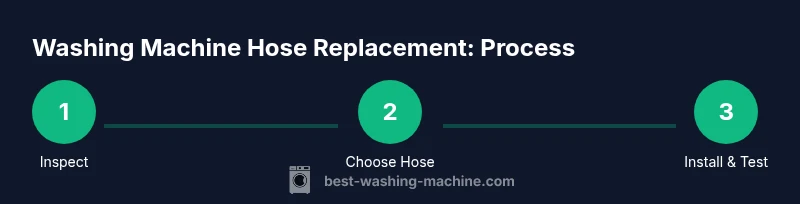
To prevent leaks and water damage, replace washing machine hoses when you notice wear or damage, or on a planned maintenance schedule. Look for cracks, bulges, rust on fittings, damp spots, or stiff, kinked hoses. Use braided stainless steel hoses for durability, install new washers, and test for leaks after replacement.
Signs Your Washing Machine Hose Is Due for Replacement
Hoses endure significant stress due to water pressure, temperature changes, and the space behind your washer. The Best Washing Machine team emphasizes treating hoses as wear items rather than permanent components. Start with a visual inspection: cracks, bulges, blistering, or any softness along the rubber or plastic material suggest imminent failure. Check both ends for corrosion, rust, or looseness in the fittings. If you see dampness, staining, or mineral deposits near the hose connections, that’s a sign of a slow leak that can escalate quickly. Even hoses that look okay can fail if a connection is cross-threaded or if the washers inside the fittings wear out. Regular checks, even just a quick monthly glance, help you catch problems before they cause floods. If you notice any of these signs, plan a replacement promptly rather than waiting for a full breakdown.
Safety First: Before You Start
Before touching any plumbing connections, shut off the hot and cold water valves to the washer and unplug the machine from the wall outlet. Move the appliance away from the wall to access the hoses without bending or stretching them. Place towels or a bucket on the floor to catch any residual water. This step minimizes the risk of a sudden spill and protects your floors and appliances. If you rent, check your lease for guidelines on DIY repairs. Wear gloves to protect your hands from sharp edges or residual detergents. Working in a dry, clear area helps you see fittings and avoid tripping hazards.
Hose Types and Choosing the Right One
There are different hose options, with braided stainless steel hoses offering higher burst resistance than basic rubber hoses. When choosing, look for 3/4-inch compression fittings that match your washer’s connectors, and ensure the hose length provides enough slack without creating tension or kinks behind the machine. Stainless steel hoses with protective covers resist kinks and corrosion and often come with built-in leak protection washers. If you have high water pressure or a history of hose leaks, investing in a durable braided option is wise. Always verify the hose rating and warranty, and avoid vinyl hoses that can crack under pressure. Consider replacing both hot and cold hoses at the same time to ensure uniform performance and reduce the chance of compatibility issues.
Inspecting Hoses: Visual and Tactile Checks
Carefully inspect both hoses under good lighting. Feel for stiffness, flat spots, or soft bulges that indicate material breakdown. Check the rubber ends for cracks, tears, or fraying, and ensure the fittings at each end are tight but not overtightened. Look for rust or corrosion on metal fittings, which weakens connections. If you notice any moisture pooling at fittings or a damp spot on the floor after a test fill, this signals a leak that requires immediate attention. Record the hose type, length, and fitting size for future replacements to simplify shopping. Regular testing after installation helps verify a secure seal and keeps your laundry routine uninterrupted.
Replacement Scenarios and When to Act
If you observe visible wear, leaks, or corrosion, replace the hoses promptly. As a rule of thumb, replace any hose that shows cracks or bulges, even if a leak isn’t present yet. If your home has older plumbing or inconsistent water pressure, replacing both hoses at once reduces the risk of a future mismatch. If you’re unsure about the right size, bring the old hose to the store or check your washer manual for the correct dimensions. After replacement, route hoses to avoid sharp bends and pinching, and keep them off the floor to prevent tripping and damage. If you notice a leak during the first 24 hours of use, shut off the water quickly and recheck fittings.
Maintenance After Replacement: Extend Lifespan
To maximize lifespan, install hoses with proper slack, so they aren’t stretched when the washer moves. Secure hoses away from the back of the machine to prevent contact with sharp edges or hot surfaces. Periodically inspect hoses for wear every 6–12 months and replace as needed. Use high-quality washers and tighten fittings hand-tight, then give a quarter-turn with a wrench if necessary—never overtighten. Keep water pressure reasonable and ensure hoses are not routed through tight gaps that cause chafing. Store an extra hose or two for emergency replacements, and consider labeling hoses by installation date for easier maintenance planning.
Authority Sources
Consult reputable sources on appliance maintenance for safety guidelines and best practices. For example, WaterSense guidance on avoiding leaks, OSHA safety considerations for household repairs, and university extension resources on appliance hose care provide credible, evidence-based recommendations. These sources help homeowners and professionals make informed decisions about hose materials, installation, and maintenance. Best Washing Machine recommends using durable hoses and performing regular inspections to minimize the risk of water damage.
Tools & Materials
- 2 braided stainless steel washing machine hoses (hot and cold)(3/4 inch compression fittings; ensure correct length to reach valves without tension behind the washer)
- Bucket(To catch residual water during removal and prevent spills)
- Towels or rags(Mop up any drips; keep the area clean and dry)
- Adjustable wrench(Used to snug fittings securely without over-tightening)
- Pliers(Useful for stubborn fittings or clamps)
- Plumber's tape (Teflon tape)(Optional for sealing threaded connections if needed)
Steps
Estimated time: 30-45 minutes
- 1
Power down and prep the area
Move the washing machine away from the wall to gain access to the hoses. Unplug the washer and turn off both hot and cold water valves. Place a towel on the floor to catch any remaining water. This preparation reduces the risk of shocks and spills during the replacement.
Tip: If the floor is slippery, place a tray under the washer before you begin. - 2
Shut off water and drain residual water
Slowly turn off the water supply until the flow stops, then disconnect the hoses one at a time. Have a bucket ready to catch any water trapped in the hoses. Press the washer’s drain or use a sponge to remove residual water from the inlet valves so you don’t get sprayed when detaching fittings.
Tip: Always disconnect the cold water line last to minimize splash. - 3
Remove old hoses
Using the adjustable wrench, loosen the fittings at the wall valve and the washer inlet. Remove the hoses completely and set them aside. Inspect the valve threads for corrosion or damage and wipe clean before attaching new hoses.
Tip: Do not yank or twist; use steady, even pressure to prevent thread damage. - 4
Prepare and install new hoses
Take the new braided hoses and attach the compression fittings to the washer and wall valves by hand first, then snug with a wrench. Ensure the rubber washers are seated properly. Do a final check to confirm both hoses are straight and not kinked.
Tip: Hand-tighten, then snug with a wrench—avoid overtightening that could crack fittings. - 5
Test for leaks
Turn on the water valves slowly and plug the washer back in. Run a short cycle with no load and observe the fittings for leaks. If you see moisture, tighten the fittings a slight amount and recheck. Dry the area and ensure there’s no pooling water.
Tip: If a leak persists, shut off water, re-seat washers, and re-test before using the machine normally. - 6
Finish and tidy up
Move the washer back into place, wipe any remaining water, and store the old hoses away in case you need them for reference. Consider labeling the installation date for future maintenance planning. Keep a spare hose on hand for emergencies.
Tip: Create a simple maintenance reminder for hose inspections in your calendar.
FAQ
What are common signs that a washing machine hose needs replacement?
Common signs include visible cracks, bulges, leaks at fittings, rust on metal ends, and damp spots near connections. If you notice any of these, replace the hose promptly to prevent water damage.
Watch for cracks, bulges, or leaks around the ends; replace the hose right away to avoid flooding.
Can I reuse old fittings with a new hose?
It is best to use new washers and inspect fittings for wear. If the threads are damaged or corroded, replace the entire connection with a new hose and fittings to ensure a reliable seal.
New hoses come with fresh washers; reuse is not recommended if fittings show wear.
Are braided stainless steel hoses safer than rubber hoses?
Yes. Braided stainless steel hoses are more resistant to bursting under pressure and resist kinking, which reduces leak risk. They are generally a safer long-term option, especially in high-use homes.
Braided hoses are typically safer and more durable than basic rubber hoses.
How do I know what size hose I need?
Check the washer’s manual or inspect the existing hoses to confirm 3/4-inch compression fittings. Measure the distance from the water valves to the washer to choose a hose of appropriate length.
Look for 3/4-inch fittings and match the hose length to the space behind the washer.
What should I do if I see water on the floor after replacement?
Shut off the water supply immediately, recheck both ends for proper seating, and retest. If the leak persists, you may need to reinstall with fresh washers or replace the hose again.
If you see leaks, turn off the water and double-check the connections, then test again.
How often should I inspect washing machine hoses?
Inspect hoses at least twice a year and after any suspected leak or unusually high water pressure period. Regular checks help catch problems early before they worsen.
Do a quick visual check a couple of times a year to stay ahead of leaks.
Watch Video
The Essentials
- Inspect hoses for wear and replace when signs appear
- Choose durable hose material to reduce leaks
- Shut off water and power before maintenance
- Install with proper torque and test for leaks
- Plan replacements proactively to prevent water damage