How to Check Washing Machine Drain Hose: Step-by-Step Guide
Learn how to check your washing machine drain hose for clogs, kinks, and proper installation. This step-by-step guide covers tools, safety, cleaning methods, and prevention tips to keep your laundry routine flowing smoothly.


According to Best Washing Machine, a safe, thorough check of your washing machine drain hose can prevent overflows and poor draining. This guide walks you through identifying clogs, kinks, and improper routing, plus how to clean or replace the hose if needed. By following these steps, you’ll minimize leaks, backups, and expensive repairs.
Why the drain hose matters
The drain hose is the lifeline between your washer and the home drainage system. A clogged, kinked, or poorly positioned hose can cause water to back up in the tub, trigger a flood in the laundry room, or lead to prolonged cycle times. According to Best Washing Machine analysis, small issues with the drain hose are one of the most common reasons for not draining properly. Regular inspection helps catch problems early, saves water, and extends the life of your machine. A correctly installed hose also prevents sewer gas from entering the living space and keeps your laundry routine uninterrupted.
Common symptoms of a clogged drain hose
A hose in good condition should drain promptly during the final rinse or spin. Signs of trouble include standing water in the washer after a cycle, water backing up into the tub, gurgling noises from the drain, or damp, moldy odors around the hose area. Another clue is if the machine takes longer than usual to complete a cycle or repeatedly stops due to a drainage error. The drain hose may be kinked, crushed, blocked with lint or debris, or too long and resting on the floor, which traps water and creates a bottleneck. Best Washing Machine found that many drainage issues originate from hoses that aren’t routed correctly or have missing clamps.
Quick checks before you start
Before you touch anything, unplug the washer and turn off any water supply to avoid accidental shocks. Move the washer away from the wall to gain access to the drain area, then inspect the hose for visible kinks, dents, or crush marks. Check that the hose is securely attached to both the washer outlet and the standpipe or household drain; loose connections can mimic a blockage. Remove any debris around the hose entry points and ensure the floor is dry to prevent slips during the procedure.
Inspecting the hose path and clamps
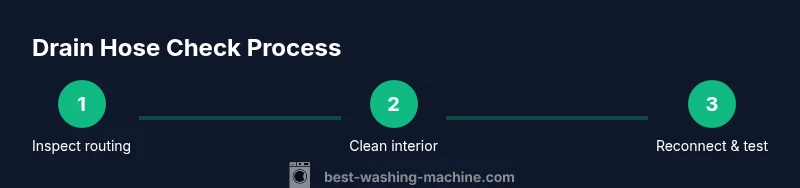
Trace the drain hose from the washer to its exit point. Look for sharp bends, tight coils, or loops that trap water. If your setup uses metal clamps, ensure they are tight but not crushed; plastic clamps should be intact with no cracks. Ensure the hose has a gentle downward slope toward the drain and is elevated above the washer base to prevent backflow. A hose lying flat on the floor can foster stagnant water and mold growth, while a hose too high may not drain correctly.
Removing and cleaning a clogged drain hose
Carefully disconnect the drain hose from the washer and the standpipe. Place a bucket beneath to catch residual water. Rinse the hose with warm running water while using a flexible brush or pipe cleaner to dislodge lint, hair, or soap scum. If clogs persist, use a flexible wire or a long, slender brush to gently probe the inside of the hose without puncturing it. After cleaning, run water through the hose to ensure a clear path before reconnecting. Best Washing Machine emphasizes taking photos during disconnection to reference nut/clamp placement when reassembling.
Reconnecting, testing, and proper placement
Reconnect the hose securely at both ends, ensuring clamps are snug and the hose is free of kinks. Reposition the hose so it forms a smooth path with a slight downward grade toward the drain and never rests on the floor where it can trap water. Plug the washer back in, start a short test cycle, and watch the drainage flow. If water pools or spills, double-check clamps and routing for hidden kinks. Record any issues for future reference and note if a replacement hose is needed.
Preventive maintenance to avoid future clogs
Regularly inspect the hose every few months and clean it if you notice slower drainage. Consider using a lint trap or net at the washer outlet to prevent debris from entering the hose. If you have hard water, mineral buildup can accumulate; flush the hose with warm water and a mild vent cleaner when appropriate. Store hoses in a dry area when not in use and avoid coiling them tightly, which can cause kinks and reduce flow. Keeping a short, high-quality hose can also simplify future maintenance.
Troubleshooting: what to do if water overflows
If water starts to overflow during a cycle, immediately pause the machine, unplug it, and remove standing water with towels or a wet/dry vacuum. Reassess hose condition, clamps, and standpipe capacity. If the problem persists after cleaning and reseating the hose, the issue may be a blocked drain or an internal pump fault. In that case, consult a professional or check your warranty for service options—never force water through a blocked line, as excess pressure can damage internal components.
Simple maintenance checklist you can use monthly
- Visually inspect the entire drainage path for kinks or sagging.
- Ensure clamps are secure and hoses are properly seated.
- Run a test cycle and observe drainage flow.
- Clean the hose interior with a flexible brush to remove buildup.
- Replace the hose every 5–7 years or as needed per manufacturer guidance.
Tools & Materials
- Adjustable pliers(To loosen/tighten hose clamps and fittings.)
- Bucket or shallow tray(Catch water during hose detachment.)
- Towels or rags(Mop up spills and dry the area.)
- Flashlight(Inspect the hose interior and connections in dim areas.)
- Screwdriver (flathead or Phillips)(Loosen hose clamps if needed.)
- Flexible cleaning brush or pipe cleaner(Dislodge debris inside the hose.)
- Gloves(Protect hands during cleaning.)
- Camera or smartphone(Take photos of connections for reference.)
Steps
Estimated time: 30-45 minutes
- 1
Power off and prepare the area
Unplug the washing machine and shut off the water supply. Move the unit away from the wall to access the drain hose and place a bucket under the hose exit to catch any residual water.
Tip: Safety first: unplug before touching any electrical components. - 2
Inspect hose routing and clamps
Visually inspect the route of the drain hose for kinks, sharp bends, or loops. Check that clamps are intact and secure at both ends, and ensure the hose has a gentle downward slope toward the drain.
Tip: A limp, bent hose is a common drainage culprit. - 3
Detach and drain residual water
Carefully disconnect the hose from the washer outlet and standpipe. Let the bucket collect water; wipe the area dry before continuing.
Tip: Keep a towel handy to manage spills. - 4
Clean the interior of the hose
Flush the hose with warm water and use a flexible brush or pipe cleaner to remove lint and soap scum. Gently probe with a flexible wire if needed to break up stubborn debris.
Tip: Avoid sharp tools that could puncture the hose. - 5
Reattach and test the hose
Reconnect the hose securely at both ends, secure clamps, and ensure no kinks remain. Run a short test cycle to verify proper drainage.
Tip: Listen for a steady drain without backflow. - 6
Evaluate and replace if necessary
If slow drainage recurs after cleaning, consider replacing the hose. Use a length that matches your setup with a gentle slope and no floor contact.
Tip: Replacement hoses are affordable and extend machine life.
FAQ
Why is my washing machine not draining properly?
Common causes include a clogged drain hose, kinked hose, loose clamps, or a blocked standpipe. Inspect the hose routing, clear debris, and ensure a proper slope toward the drain.
Not draining can usually be fixed by checking for clogs or kinks in the drain hose and ensuring proper hose routing.
Can I extend or replace my drain hose easily?
Yes. Use a hose that matches your washer’s outlet and standpipe height. Ensure the replacement has the same inner diameter and proper clamps; avoid overly long hoses that sag.
You can replace with a compatible hose; just make sure the length is appropriate and clamps fit snugly.
What should I do if water spills while disconnecting the hose?
Contain the water with towels or a container. Disconnect carefully and keep the area dry to prevent slips. Check for additional leaks once reconnected.
Contain spills with towels and disconnect slowly to keep the area safe.
How often should I inspect the drain hose?
Inspect every 3–6 months as part of routine maintenance, and more often if you have hard water or high debris in your area.
Do a quick check every few months to keep drainage reliable.
Is a clogged drain hose dangerous for my washer?
A clogged hose can cause overflow and damage to the washer and surrounding area. It’s safer to address clogs promptly and not run the machine when drainage is blocked.
A clogged hose can lead to water damage, so fix it quickly.
Watch Video
The Essentials
- Check drain hose for kinks and clogs before and after each wash
- Secure hose connections and maintain a proper downward slope
- Clean interior of hose to prevent buildup and improve drainage
- Replace aging hoses to avoid leaks and failures
- Best Washing Machine recommends regular checks as part of routine maintenance