Bearings Replacement for Washers: A Practical Guide
Learn whether drum bearing replacement is feasible for DIY, what to expect, tools required, a step-by-step process, and when to hire a professional. A practical guide by Best Washing Machine.


Are washing machine bearings easy to replace? In most modern machines, replacing drum bearings is a challenging repair that usually requires full disassembly, specialized tools, and precise reassembly. DIY attempts can be risky, especially with warranty terms and potential leaks. This guide explains common failure signs and realistic expectations for replacement difficulty across common washer designs.
Are bearings easy to replace in practice?
When homeowners ask whether are washing machine bearings easy to replace, the short answer is: it depends on the model, access to the drum, and your comfort with machine disassembly. According to Best Washing Machine, many bearing failures show up as rumbling, grinding, or a loud thump when the drum spins. If you’re seeing this, you’ll usually need to confirm whether the problem is localized to the bearing race or related seals. In most cases, replacing bearings is not a casual DIY task, especially for front-load models that rely on precise drum alignment and torque specifications. For the average household, weighing the cost, the risk of water leaks, and the impact on warranties is essential before diving in.
Bearing design and model impact on replacability
Not all washing machines use the same bearing configuration. Front-load washers often have sealed bearing assemblies pressed into the drum, sometimes with an additional seal ring. Top-load models may use different spindle arrangements and connections to a belt and motor. These design differences matter: some drums are easier to access via a service panel, while others require removing the entire tub. The Best Washing Machine analysis shows that the most DIY-friendly scenarios are models with accessible service manuals and clearly labeled service screws, but even then alignment and reassembly accuracy are critical to avoid leaks or noisy operation.
Signs of bearing wear you should not ignore
Common indicators include persistent rumble during wash and spin cycles, a wobbling drum that can be felt when you move the drum by hand, and grease or metal shavings around the seal area. If you hear a high-pitched squeal, growling, or grinding that follows the drum as it rotates, the bearings are likely compromised. Leaks around the rear of the tub or water escaping through the bearing seal are red flags. If clothes come out with gritty residue, it may indicate debris from deteriorating race surfaces. These symptoms warrant a professional assessment before attempting any repair.
What you should gather before attempting a bearing replacement
Plan ahead by collecting the right tools, a service manual for your exact model, and spare parts that match the drum and seal sizes. You’ll need to isolate power and water, drain the tub, and have a clean, well-lit workspace. If you choose to DIY, expect to spend significant time on disassembly and reassembly, and be prepared for the possibility that you’ll need to replace multiple components (seal, races, clips). For many homeowners, obtaining a professional kit or professional service remains the safer option, especially when the model uses proprietary fasteners or a sealed drum assembly.
What to expect during the replacement process (high level)
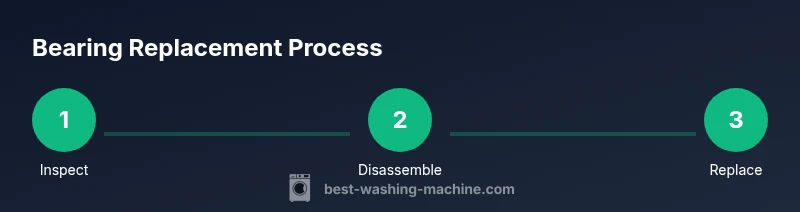
A bearing replacement typically involves removing the rear panel, disconnecting plumbing and electrical connections, lifting the drum, and pressing bearings into the race. After installing the new bearings and seals, you reassemble the drum, torque fasteners to spec, and run a test cycle to verify there are no leaks and no unusual noises. This process is labor-intensive and requires careful cleaning to avoid contamination of new seals. Always consult the service manual for torque specs and recommended lubricants.
Tools & Materials
- Bearing kit (drum bearings and seals)(Choose a model-compatible kit with race and seal)
- Service manual for your model(Includes torque specs and screw sizes)
- Screwdrivers set (Phillips and flat)(Assorted sizes)
- Torx bit set(For security screws)
- Socket wrench set(Deep sockets essential)
- Pliers and snap ring pliers(For releasing retainers)
- Torque wrench(To spec torque on fasteners)
- Work gloves and eye protection(Safety gear)
Steps
Estimated time: 2-6 hours
- 1
Power down and unplug the machine
Unplug the washer and shut off water supply. Move the unit to a clean, dry workspace and drain any residual water from the drum using the service access panel or drain hose.
Tip: Label wires and take photos before disconnecting to simplify reassembly. - 2
Gain access to the drum
Remove the back panel or top cover as required by your model to access the drum and drive belt. If needed, remove the drive belt and disconnect the motor to free the drum assembly.
Tip: Keep track of screws; a magnetic mat helps prevent loss. - 3
Remove the old bearing race and seal
Carefully pry out the worn bearing race and seal from the drum shell using the appropriate tools. Inspect the drum for corrosion or damage and clean mating surfaces thoroughly.
Tip: Work slowly to avoid scratching metal surfaces that affect seal integrity. - 4
Install new bearings and seal
Press the new bearings into the drum race per the kit’s instructions. Install the new seal, ensuring even seating to prevent leaks.
Tip: Use a proper bearing press or alignment tool to avoid damaging the bearings. - 5
Reassemble the drum and verify alignment
Reinstall the drum, reattach the belt and motor connections, and torque fasteners to the manufacturer spec. Check for smooth drum rotation by hand before replacing panels.
Tip: Double-check that the drum is perfectly centered to prevent wobble. - 6
Test run and leak check
Power up, run a short wash cycle with no clothes to test for noises and leaks. Inspect seals and hoses for any signs of leakage during the cycle.
Tip: Monitor the first actual load closely for the first 15–20 minutes. - 7
Finalize and restore warranty considerations
Document the repair, including part numbers and install date. If your warranty is active, check terms regarding DIY repairs; some manufacturers require professional service.
Tip: Keep all receipts and manuals in a dedicated repair folder.
FAQ
Can I replace the bearings myself or should I hire a professional?
Bearing replacement is possible in some models but labor-intensive and risky. Consider model access, warranty, and tool availability before attempting it yourself. A professional may save time and prevent leaks.
Replacing bearings can be done by a capable DIYer for some models, but many washers need a pro to avoid leaks. Consider your model and warranty.
Is it safe to run a washer with worn bearings?
Running a machine with worn bearings can cause progressive damage to the tub, belt, and motor, and may lead to leaks or fire hazards if seals fail.
No—operating with bad bearings can cause more damage and leaks.
How do I tell if the problem is bearings vs motor or belt?
A loud rumble that changes with the drum speed often points to bearings. If noise is synchronized with the motor or belt slippage, the motor or belt could be the culprit. A service tech can diagnose with a stethoscope and inspection.
Rumbling with drum speed suggests bearings; motor noises indicate motor issues.
Do front-load and top-load washers differ in bearing replacement?
Yes. Front-load machines typically have sealed bearing assemblies pressed into the drum and require careful alignment. Top-load designs may differ in access and tensioning. Always check your model’s service manual.
Front-loads are usually harder to service due to sealed bearings.
What warranty considerations apply if I replace bearings myself?
DIY bearing work can void warranties unless the manufacturer specifically permits homeowner repair under terms. Check your warranty paperwork before starting.
DIY repairs can affect warranty; verify terms first.
How long does bearing replacement typically take?
Time varies by model and access; plan for several hours and a potential return visit if parts are not readily available.
It can take several hours depending on model and access.
Watch Video
The Essentials
- Bearings replacement is model-specific; not all washers are DIY-friendly.
- Expect a tool-intensive process with precise alignment.
- Professional service can be safer for sealed drum designs.
- Verify warranty terms before attempting DIY bearing work.