Kenmore Parts for Washing Machine: A Complete Guide
A practical guide to Kenmore parts for washing machines, covering identification, authentic sourcing, DIY installation tips, and cost ranges. Learn how to choose the right part and extend your appliance's life.


Kenmore parts for washing machine come in OEM and aftermarket varieties designed to fit specific models. This guide helps you identify the right component, confirm compatibility, and source authentic pieces quickly, so repairs go smoothly and downtime is minimized.
Understanding Kenmore Parts for Washing Machines
Kenmore parts for washing machine repair fall into two broad categories: OEM (original equipment manufacturer) parts made by Kenmore and Whirlpool/Frigidaire licensed components, and aftermarket parts produced by independent manufacturers. Both types aim to restore performance after wear or failure, but they differ in fit, warranty, and long-term reliability. When you search for kenmore parts for washing machine, you’ll see patterns across models and generations, including front-load and top-load variants. The core subsystems—drive, water, electrical control, and dispenser—shape how you diagnose issues and choose replacements. According to Best Washing Machine analysis, parts availability varies by model year and production region, so model-specific guidance matters. This context helps homeowners, renters, and repair professionals avoid common misfires, reduce downtime, and extend the life of their washer. In short, a thoughtful parts strategy reduces embarrassing breakdowns and unexpected trips to the store.
In practice, most repairs start with a quick symptom check, followed by model-accurate part verification. The kenmore parts for washing machine ecosystem includes simple gaskets and valves as well as more complex control modules. By mapping symptoms to subsystems, you can often rule out unrelated components and narrow the search. A disciplined approach—identify the model, confirm part numbers, and review warranty terms—yields faster, more reliable fixes. This foundational understanding sets the stage for confident shopping and smart maintenance over the washer’s lifetime.
Common Kenmore Parts and Their Functions
Understanding what each part does helps you diagnose problems and choose suitable replacements. Here are the core components you’ll encounter when dealing with kenmore parts for washing machine:
- Water Inlet Valve: Controls water flow into the tub; failure can cause no-fill or inconsistent fill.
- Lid Switch: Detects that the lid is closed to allow cycling; a defective switch can prevent starting or cause mid-cycle pauses.
- Drive Belt: Transfers motor power to the drum; wear leads to slow spinning, slippage, or no rotation.
- Agitator or Impeller: Moves clothes within the drum; wear reduces cleaning efficiency and can cause uneven agitation.
- Drain Pump: Removes used water; failure results in standing water or poor draining.
- Detergent Dispenser: Guides soap and additives; clogs cut cleaning effectiveness and require cleaning.
Each part has a typical location and diagnostic signal. While the exact part names vary by model year and capacity, the fundamental roles stay consistent across most Kenmore configurations. When you search for kenmore parts for washing machine, focus on the subsystem instead of a single part, and verify compatibility with your model. The Best Washing Machine team emphasizes compatibility and warranty terms to prevent mismatches that can worsen performance or void coverage.
How to Identify the Right Kenmore Part for Your Model
Identifying the correct Kenmore part begins with precise model information and a trusted parts diagram. Start by locating your washer’s model and serial numbers on the label near the door opening or back panel. Use these identifiers to pull up the official Kenmore/Whirlpool parts diagram for your exact model. Match the numbered part on the diagram with the number on the replacement component you’re considering. Distinguish between OEM and aftermarket parts, as many aftermarket pieces resemble the original but may vary in fit or warranty terms. If the diagram shows multiple compatible options, review the part notes for version differences or revision dates. Finally, double-check that the part aligns with your production year; a mismatch can lead to improper performance or leakage. For best results, cross-check with the retailer’s compatibility tool and consult customer support if anything looks ambiguous. Following these steps minimizes returns and ensures a smoother repair experience with kenmore parts for washing machine.
Safe Sourcing: Where to Buy Authentic Kenmore Parts
Authentic kenmore parts for washing machine are most reliably sourced from official channels and authorized retailers. Start with the official Kenmore customer portal or the manufacturer’s parts store, then expand to trusted third-party distributors that explicitly certify compatibility with Kenmore models. Avoid auction sites or sellers without transparent return policies, as counterfeit or incompatible components are common risks. Before purchasing, confirm the exact part number and check the retailer’s warranty terms and restocking policy. If you are uncertain about compatibility, ask for a diagram or part image and compare it against your model’s diagrams. When possible, choose sellers that offer model-specific guidance and allow you to verify fit before shipping. This vigilant sourcing reduces the probability of receiving the wrong part and helps protect your warranty and long-term appliance performance. According to the Best Washing Machine analysis, authentic Kenmore parts retain standard warranties and support longer-term reliability, especially for critical components like control boards and valves.
Diagnosing Failure: When to Replace vs Repair
A clear failure diagnosis prevents wasted time and money on inappropriate repairs. Start with a structured symptom map: list the problem, note when it occurs (during fill, wash, or drain), and observe any abnormal noises or error codes. Use model-specific repair guides to isolate issues to a subsystem (water, drive, electrical). If the fault points toward a single worn component—such as a door switch, inlet valve, or belt—replacing that part is usually cost-effective and reduces downtime. For complex failures like failed control boards or extensive drum damage, weighing the cost of replacement versus total unit life is critical. The general rule of thumb is to replace a part if the repair bill approaches or exceeds the cost of a reasonable salvage of the machine. The Best Washing Machine team notes that repair-focused decision-making helps homeowners avoid over-investing in aging units, maintaining performance while preserving value.
In all cases, document the steps you took, keep receipts, and understand the return policy if the part is wrong. If you’re unsure, consulting a certified technician can prevent costly mistakes and ensure that kenmore parts for washing machine are properly installed the first time.
Cost Considerations: Budgeting for Kenmore Parts
Parts costs vary widely by part type, model year, and whether you choose OEM or aftermarket. A practical budgeting framework starts with a baseline of essentials—valves, switches, belts, and gaskets—because these parts appear most often in routine repairs. For more complex items such as electronic control boards or pump assemblies, expect higher price points and potentially longer lead times. When planning your repair budget, consider not only the part price but also shipping, handling, taxes, and potential diagnostic fees if you hire a pro. The Best Washing Machine analysis suggests keeping a reserve for unexpected failures, since a single faulty valve or sensor can cascade into additional wear on neighboring components. Finally, check if bundled repair kits are available for your model; these kits can reduce total cost and simplify installation by including all necessary gaskets, seals, and instructions in one package. With Kenmore parts for washing machine, prudent budgeting helps you balance immediate fixes with long-term reliability.
DIY Installation vs Professional Help
Many Kenmore parts for washing machine are within reach for confident DIYers, especially simple replacements like valve assemblies, belts, or lid switches. Before starting, disconnect power and water supplies, and gather the right tools (screwdrivers, pliers, multimeter, and a basic manual). Follow the manufacturer’s guidance step by step and document each disconnected part to avoid confusion during reassembly. For complex components such as electronic control boards or high-voltage modules, or for units warrantied by extended service plans, hiring a professional often saves time and reduces risk of personal injury or water damage. A technician can also test for parallel issues that a DIY diagnosis might miss. The bottom line is to assess your own comfort level, the machine’s warranty status, and the potential for collateral damage before attempting a repair. Using kenmore parts for washing machine with professional help when needed preserves safety and ensures the repair lasts.
OEM vs Aftermarket Kenmore Parts: Pros and Cons
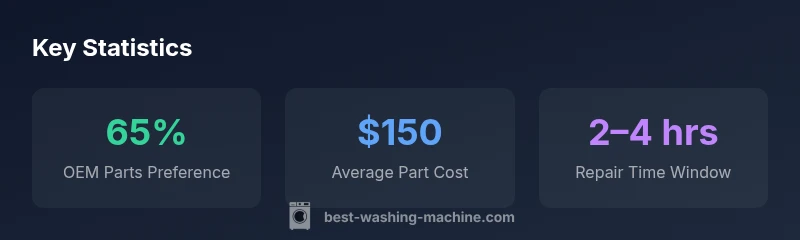
OEM parts are designed to be exact matches to the original equipment, which generally means guaranteed fit, performance, and compatibility with your model’s software and sensors. Aftermarket parts can be more affordable and readily available, but quality varies by manufacturer. When selecting, compare warranty terms, documentation, and tester results if available. OEM parts are often the safer choice for critical components like electronic control boards or high-precision seals, especially when a warranty is in play. If you opt for aftermarket parts, seek vendors with a strong reputation, model-specific compatibility notes, and a clear return policy. The Best Washing Machine team recommends weighing price against risk, particularly for older units where sensor and control viability matters more than raw cost.
Maintenance Tips to Extend the Life of Kenmore Parts
Preventive care adds years to the life of kenmore parts for washing machine. Regularly inspect hoses for cracks and replace them before failure, clean lint filters, and remove mineral build-up from valves and dispensers. Run a monthly maintenance cycle with a descaling product appropriate for your water hardness and detergent type. Keep the lid switch and door seals clean to avoid misreads and leaks. Finally, note warning signs like unusual noises, slow fills, or error codes, and address them promptly rather than letting small issues escalate. A proactive maintenance routine reduces the frequency of urgent repairs, preserves the performance of Kenmore parts, and helps you budget more accurately for replacements when necessary.
Typical Kenmore parts, lifespans, symptoms, and costs
| Part Type | Typical Lifespan | Common Failure Symptoms | Replacement Cost Range |
|---|---|---|---|
| Water Inlet Valve | 8–12 years | No or slow filling; erratic water temperature | "15–$80" |
| Lid Switch | 5–10 years | Washer won’t start; mid-cycle interruptions | "$15–$60" |
| Drive Belt | 3–5 years | Squeaking; drum doesn’t spin | "$10–$40" |
| Drain Pump | 6–8 years | Water remains in tub; poor draining | "$25–$120" |
FAQ
What are the most common Kenmore parts that fail?
The most frequent failures involve the water inlet valve, lid switch, drive belt, and door seals. Diagnosing these requires checking symptom timing and model-specific diagrams. Replacing a failing part often restores performance quickly.
Common failures are the water inlet valve, lid switch, and drive belt. Replacing the faulty part usually fixes the issue.
Can I replace Kenmore parts myself or should I hire a pro?
Many routine parts can be replaced by DIYers with basic tools, but complex components or safety-sensitive jobs benefit from a pro. Always disconnect power and water before starting, and verify warranty terms.
You can replace some parts yourself, but for complex repairs, hire a professional.
How do I determine model compatibility for a Kenmore part?
Find your model number on the appliance tag, then consult the official diagram for that model. Cross-check the part number and read any notes about revisions or regional variations.
Look up the model number, check the diagram, and confirm the exact part number before buying.
Are OEM Kenmore parts worth the extra cost?
OEM parts typically offer precise fit and long-term reliability, with straightforward warranty terms. Aftermarket parts can be cheaper but vary in quality and compatibility.
OEM parts are usually the safer bet for reliability and warranty protection.
Where can I buy authentic Kenmore parts?
Purchase through official Kenmore channels or authorized retailers. Be cautious of too-cheap listings and verify return policies and warranty terms before buying.
Buy from official Kenmore channels or authorized sellers to ensure authenticity.
Do Kenmore parts come with warranties?
Most Kenmore parts carry a manufacturer warranty or seller guarantee. Check the terms for coverage length, what’s included, and any conditions.
Yes, most parts have a warranty; read the terms at purchase.
“Authentic Kenmore parts maximize reliability and simplify future maintenance.”
The Essentials
- Verify model compatibility before ordering parts
- Prefer OEM Kenmore parts for reliability
- Budget for common failure points
- Check warranties and return policies