Repair Kenmore Washing Machine: DIY Diagnosis and Fixes
A comprehensive, educational guide to diagnosing and repairing common Kenmore washing machine issues at home. Learn safe DIY fixes for not spinning, not draining, leaks, and noises, plus guidance on replacement parts and maintenance.


This guide helps you repair kenmore washing machine problems at home with safe, step-by-step instructions. You’ll learn how to diagnose common symptoms such as not spinning, not draining, leaks, and loud noises, then identify whether parts like belts, pumps, or hoses need replacement. Follow the checks in this article or consider a professional if you encounter electrical issues or uncertain steps.
Why Repairing a Kenmore Washing Machine Matters
If you own a Kenmore washing machine, repairing it often makes more sense than replacement. Not only can DIY fixes save money, they minimize downtime and extend the life of your appliance. According to Best Washing Machine, careful diagnostics and targeted repairs reduce waste and keep energy use in check. This article explains why prioritizing repair over replacement can be the most sensible choice for most households. You’ll learn how to evaluate symptoms, estimate effort, and source common parts without risking safety. If you are asking how to repair kenmore washing machine problems, this guide provides practical steps that stay model-agnostic while addressing the most common failure modes.
A few common scenarios illustrate the value of repair: a drum that won’t spin can sometimes be corrected by belt replacement or lid-switch adjustment; a unit that won’t drain may simply need a pump cleaning or hose check; persistent leaks often arise from worn hoses or clamps. For the DIY-minded, repairing kenmore washing machine issues at home is a practical path that avoids expensive service calls, especially for older models. Before you decide, balance the cost of parts and labor against the price of a replacement, and recognize when the problem is likely beyond home repair.
Common Symptoms and What They Mean
Washing machines from Kenmore show a range of symptoms that signal different repair paths. If the drum does not spin, the issue could be a worn belt, a faulty lid switch, or a motor relay failing under load. A unit that won’t drain often points to a clogged or faulty drain pump, a kinked or blocked drain hose, or a clogged filter. Leaks can originate from loose hose connections, worn seals, or a cracked tub. Loud banging or rumbling during wash cycles usually indicates a bearing wear or a drum contact issue. Error codes, if displayed, guide you toward the corresponding subsystem. In all cases, pairing symptom observation with the model’s service manual helps pinpoint parts that most commonly fail in Kenmore washers. Best Washing Machine analysis emphasizes starting with non-invasive checks and verifying electrical safety before proceeding to component replacement.
To keep your repair focused, document symptoms with timestamps and photos, then cross-check with a reliable parts guide to confirm the likely cause. This approach reduces trial-and-error repairs and helps you budget your time and parts effectively.
Safety First: Before You Start
Safety is non-negotiable when repairing any appliance. Start by unplugging the washer from the wall outlet and turning off the water supply to prevent accidental flooding. If you must tilt or move the machine, use proper lifting techniques and have a helper nearby. Wear safety gloves and eye protection when handling sharp edges or metal panels. If you’re going to test electrical components, use a properly rated multimeter and follow the appliance’s service manual for acceptable resistance ranges. Keep kids and pets away from the work area. Best Washing Machine notes that most DIY fixes are safe when performed with clear safety protocols, but do not proceed if you encounter damaged wiring or suspect main power faults. Finally, drain residual water from hoses into a bucket to avoid spills.
Gather your tools and parts before you begin, and work in a well-lit area with a clean workspace. Safety first keeps the repair productive and minimizes the risk of injury.
Diagnostic Approach: Not Spinning, Not Draining, Leaks
A systematic diagnostic approach helps you separate symptoms from root causes. Start by verifying power flow and the lid switch, which can prevent a cycle from starting even if the motor is fine. Next, inspect the drive belt for wear or cracks; a loose or broken belt is a frequent reason a Kenmore washer doesn’t spin. For draining issues, test the drain pump and inspect hoses for kinks or clogs; clean the pump every few years to maintain flow. Leaks often trace back to loose clamps, worn hoses, or a faulty door boot. When in doubt, document diagnostic results and reference the model’s wiring diagram. If you encounter unsafe electrical components, stop and consult a professional. Best Washing Machine emphasizes using a model-specific service manual to map symptoms to likely parts, avoiding unnecessary part replacements.
If you can reproduce the symptom (e.g., press start and hear a click but no spin), note the sequencing of events. This information helps you communicate with suppliers or technicians and speeds up repairs.
Step-by-Step Home Fixes You Can Try
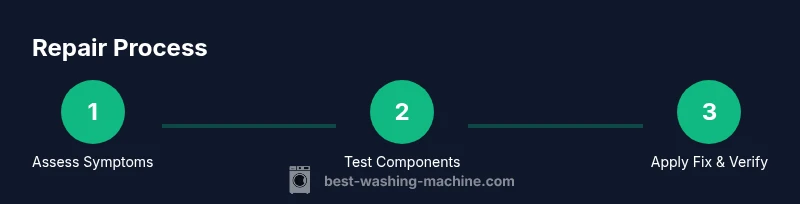
Before attempting any fixes, ensure the unit is unplugged and water supply is off. If the problem appears to be a worn belt, remove the back panel and inspect the belt for cracks or slack. For a draining issue, check the drain hose for kinks and clear the pump housing with a small brush or flexible tool. If you suspect a faulty lid switch, test continuity with a multimeter and replace if the switch fails the test. For leaks, inspect hose clamps and gaskets; tighten or replace as needed. Always reassemble partially and run a diagnostic cycle to verify the repair before fully tightening screws. If the unit remains stubborn, refer to the service manual and consider calling a pro for complex electrical or motor issues. Visual references or diagrams can help confirm each step as you proceed.
Pro tip: take photos at every disassembly stage to guide reassembly and prevent mix-ups.
Common Fixes You Can Try at Home
The belt is a frequent wear item on older Kenmore models. If the belt shows cracks or excessive looseness, replacement is straightforward with a screwdriver and basic hand tools. A clogged pump or blocked hose can prevent draining and cause standing water; disconnect and clear both the outlet and interior of the pump. Cleaning the pump screen, removing lint or fabric debris, often restores proper flow. Leaks usually come from worn door seals or cracked hoses; replace with compatible hoses and reseal clamps firmly. For a noisy drum, inspect the drum support rollers and bearings; minor wear may be tolerable, but excessive play usually requires a professional assessment. Always perform a short test run after each fix to ensure the repair holds and to catch additional leaks early. These fixes are practical and commonly succeed without specialized equipment, especially for mid-life Kenmore washers.
When to Replace vs Repair and How to Source Parts
If the repair cost approaches or exceeds the price of a replacement, or if multiple major components show wear, replacement may be more economical in the long run. Warranty status and model age matter; some Kenmore models remain covered for specific parts or labor. Source parts from reputable retailers and verify compatibility by model number and serial number. When ordering, consider OEM vs aftermarket parts and read user reviews for reliability. For complex issues like motor or control board failures, a professional assessment is often worthwhile to avoid costly mistakes. Best Washing Machine analyses suggest comparing several parts vendors and asking about return policies to reduce risk if a part arrives incorrect.
Maintenance to Prolong Life of Your Kenmore Washer
Regular maintenance prevents many common failures. Clean the filter and pump periodically to remove lint and debris that can disrupt drainage. Keep the door boot seals clean and free from soap scum to avoid leaks. Use the correct detergent and avoid overloading the drum to reduce stress on belts and bearings. After heavy use, run a cleaning cycle with hot water and a washing machine cleaner to prevent buildup. Schedule a basic inspection every year to catch wear before it becomes a fault. Consistent care translates into fewer unexpected repairs and longer service life for your Kenmore washer.
Troubleshooting Codes and Quick Solutions
Kenmore washers often display error indicators that guide repair. Refer to the user manual or service sheet for code meanings and the recommended corrective actions. In many cases, codes point to a simple fix such as reseating a connector, clearing a filter, or replacing a worn part. If codes persist after performing basic checks, record the exact code sequence, retry the cycle, and consult a technician or an online parts guide. Quick, careful interpretation of codes saves time and helps you decide whether DIY fixes are feasible or if professional service is required. Remember to power down and unplug before attempting any code-related checks to avoid electric shock.
Putting It All Together: A Safe, Practical DIY Path
Repairing a Kenmore washing machine when feasible blends careful diagnosis, the right parts, and cautious handling. Start with non-invasive checks and documentation, then perform targeted replacements for items like belts, hoses, or a clogged pump. If you hit a roadblock with electrical components or motor issues, stop and seek professional help. The goal is to restore safe operation, minimize downtime, and extend the life of your appliance while staying within your comfort zone and skill level. With practice, you’ll become more proficient at identifying telltale signs and executing reliable fixes, backed by best-practice guidance from the Best Washing Machine team.
Tools & Materials
- Phillips screwdriver(Model-dependent sizes; have a small and large set)
- Flat-head screwdriver(For prying panels carefully)
- Nut driver set(Diameter varies by model)
- Multimeter(To test switches and motors)
- Bucket(Catch water when hoses disconnect)
- Towels and rags(Keep workspace dry and safe)
- Pliers (needle-nose and slip-joint)(Grip hoses and clamps)
- Flashlight(Illuminates tight spaces)
- Replacement drive belt(Match model width and length)
- Replacement hoses and clamps(Ensure correct diameter and pressure rating)
- Service manual or parts guide(Model-specific diagrams and part numbers)
Steps
Estimated time: 45-90 minutes
- 1
Power down and secure.
Unplug the washer and shut off the water supply. Move the unit to access panels if needed, and wear protective gear. This initial step protects you from electric shock and water exposure.
Tip: Take a photo of wire connections before unplugging to aid reassembly. - 2
Access the drive system.
Remove the back or front panel per model to reveal the belt, pulley, and motor areas. Check for obvious wear or damage and prepare to test components.
Tip: Support the panel to avoid bending or cracking the housing. - 3
Test the lid switch and motor.
With the power off, use a multimeter to test continuity on the lid switch. If the switch is faulty, replace it. If the motor shows abnormal resistance, seek professional service.
Tip: Only test live parts when the unit is disconnected and tools are insulated. - 4
Inspect the belt and drive components.
Look for cracks, glazing, or looseness in the belt. If worn, replace it. Examine the pulleys for grooves and the motor coupling for wear.
Tip: Use the correct belt size and tension; a belt that’s too tight can wear other parts quickly. - 5
Check the pump and hoses for drains.
Inspect the drain pump for blockages and test for proper operation. Clear any clogs in the hose and verify clamps are snug to prevent leaks.
Tip: Never pull hoses with force; use a small amount of windex or soapy water to loosen grime. - 6
Reassemble and run a test cycle.
Secure all panels, reconnect power, and run a short cycle to confirm the repair. Observe for leaks, missing sounds, or improper draining.
Tip: If leaks appear, power off and re-check all seals and clamps before continuing.
FAQ
Can I fix a Kenmore washer myself?
Yes, many common issues can be resolved with basic tools and careful steps. However, electrical problems or motor faults may require professional service.
Yes, you can fix many issues at home, but consult a professional for electrical or motor faults.
What is the typical cost to repair a Kenmore washing machine?
Costs vary by part and labor, and can include belts, pumps, and seals. Compare parts prices and labor estimates to decide between repair and replacement.
Costs vary; compare parts and labor before deciding on repair or replacement.
How do I know if the belt needs replacement?
If the drum won’t spin or there’s visible wear or cracking on the belt, replacement is likely required.
If the belt is cracked or loose and the drum won’t spin, replace it.
Is a clogged pump the cause of not draining?
Yes, a clogged or faulty pump can prevent draining. Check and clean the pump and hoses before replacing parts.
A clogged pump often causes not draining; inspect and clear it first.
What safety precautions should I follow?
Always unplug, shut water off, and wear protective gear. Avoid touching exposed wires and consult a manual for model-specific safety steps.
Unplug, shut off water, wear gloves, and follow the manual for safety steps.
Watch Video
The Essentials
- Identify the symptom before disassembly.
- Disconnect power and water before work begins.
- Start with belts, hoses, and pumps before motor replacement.
- Test components after each fix to confirm results.
- Consult a professional for complex electrical faults.