Washing Machine Agitator Replacement: Step-by-Step Guide
Learn to perform washing machine agitator replacement safely with a complete, step-by-step guide. Identify wear, install a compatible kit, test, and troubleshoot common issues to restore optimal wash performance.


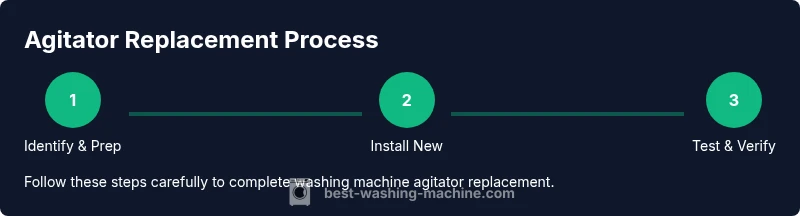
You will learn how to perform washing machine agitator replacement safely, including identifying a failing agitator, disconnecting power, removing the old component, and installing a compatible replacement. This guide covers tools, step-by-step actions, and common pitfalls. By following these steps, you can restore agitation and improve wash performance. Expect practical troubleshooting tips and a clear, camera-ready checklist.
Why agitator replacement matters
In many top-load washers, the agitator drives the movement that lifts and tumbles clothes through the wash water. Over time, the agitator may crack, wear down, or lose grip on the drive shaft. A worn agitator can cause poor cleaning performance, uneven agitation, and louder operation. If your clothes come out still soaking wet or tangled, a failing agitator could be the culprit. This guide covers washing machine agitator replacement with a focus on safety, compatibility, and reliable installation.
According to Best Washing Machine, wear on the agitator is a common cause of reduced cleaning efficiency. Inspecting the agitator for cracks, missing teeth, or wobble is a good starting point when diagnosing poor wash results. If you determine the agitator is the source of the problem, replacing it with a compatible kit is usually the most effective fix. It’s important to choose the right kit for your washer model, since many agitators use different shafts, adapters, or bolts.
This section sets the stage for a practical, hands-on replacement. By understanding how the agitator fits into your washer and what wear looks like, you’ll be prepared to shop for the correct part and perform the swap with confidence.
Safety and prep for agitator replacement
Safety is the first priority when performing any appliance repair. Before you touch the washer, unplug it from the wall outlet, and if possible, shut off the circuit breaker. Remove any water from the tub to minimize spills. If your model has a water inlet line that’s easy to access, disconnect it only after the power is off to avoid accidental spraying. Use a towel or small bucket to catch residual water.
Next, read your user manual or model-specific guides to understand how the agitator is attached. Some washers require you to remove the top panel or dispenser cup to access the agitator bolt. Budget-friendly DIY replacements work best with a clean, well-lit work area and a place to keep screws organized. Having a camera or notepad to record the sequence of parts helps you reassemble correctly.
Understanding agitator types and compatibility
There isn’t a one-size-fits-all agitator. Some washers use a post-type agitator with a central bolt, while others rely on a detachable cap and coupling. Some models use an impeller instead of a traditional agitator, especially in high-efficiency machines. To select a compatible replacement, you’ll need your washer’s model number, the original agitator type, and any adapter kits that came with the new part. If you’re unsure, consult the parts diagram for your model or contact the manufacturer’s support.
Review the replacement kit contents before purchase. A common mix includes the agitator body, a center bolt, a thrust washer, and any spacers or adapters. Make sure the kit matches your model’s drive shaft size, thread pitch, and any drive coupling components. Inconsistent parts can lead to poor fit or motor strain, which defeats the purpose of the replacement.
Tools and parts checklist
- Replacement agitator kit (compatible with your washer model) — essential; verify compatibility by the model number.
- Socket wrench set with the correct size for the agitator bolt — essential; some models use a Torx or nut driver.
- Phillips and flathead screwdrivers — essential; needed for cap removal and fasteners.
- Pliers or needle-nose pliers — essential; helpful for seat clips and tight spaces.
- Towel or bucket to catch water — essential; prevents slips.
- Work gloves — optional but recommended for hand protection.
- A small container labeled for screws or bolts — helps keep parts organized.
Having a magnetic tray or labeled bags makes reassembly quicker and reduces the chance of leaving a fastener behind.
Removing the old agitator (step-by-step)
- Power down and unplug the washer. This prevents electric shock and an accidental start while you work.
- Access the agitator by removing the center cap or dispenser cup if required by your model.
- Loosen and remove the bolt or fastener holding the agitator to the drive shaft.
- Lift the agitator straight up to remove it from the shaft and inspect the shaft, bolt threads, and the spacer or coupling for wear.
- If you see a damaged coupling or cracked spline, set aside the old parts for disposal and note any additional parts that may require replacement.
- Clean the shaft and the bottom of the tub to ensure a clean seating for the new agitator.
Tip: Don’t force the bolt; if it’s stubborn, apply penetrating oil and wait a few minutes before retrying. A misaligned bolt can strip threads or damage the shaft.
Installing the new agitator and securing it
- Confirm the replacement kit matches your model and assemble any adapters or spacers as directed.
- Slide the new agitator onto the drive shaft and align the spline or coupling with the shaft.
- Reinsert and tighten the center bolt to the manufacturer’s recommended torque. Do not over-tighten, which can crack the agitator or shaft.
- Reassemble any top caps, dispensers, or panels that you removed earlier.
- Wipe away any excess lubricant and check that the agitator sits firmly with no wobble.
- Run a quick test: a short cycle with no clothes to listen for unusual noises or leaks.
Tip: Keep a spare clip or small bolt nearby in case one drops during reassembly. A loose part can create imbalance during the first wash.
Reassembly and test run
With the agitator seated and fastened, you’ll want to confirm everything is aligned before adding laundry. Plug the washer back in and run a short cycle without clothes. Check for leaks around the tub and the top console, and listen for any grinding or clunking sounds that might indicate a misaligned drive or a missing spacer. If the washer acts differently, unplug and recheck the bolt, spacer, and cap seating. After a successful test, begin a full wash to ensure proper agitation and rinse cycles.
This test helps ensure your work translates into reliable cleaning performance. If issues persist, re-check model-specific diagrams or seek professional help.
Troubleshooting common issues after replacement
- No agitation at all: Revisit the drive shaft alignment, ensure the bolt is tightened to the correct torque, and verify that any adapters are properly installed.
- Weak or inconsistent agitation: Check for a cracked cap or a damaged spacer and ensure the agitator is seating evenly on the shaft.
- Leaks around the tub: Re-inspect seals, hoses, and the top of the tub around the agitator assembly. A mis-seated seal can leak during cycles.
- Odd noises: Listen for rattling from loose fasteners, or interference from a displaced spacer. Stop the machine and re-check the assembly.
These checks help identify whether adjustments are needed rather than replacing the entire assembly again.
Maintenance tips to extend agitator life
Regular inspections can prevent common problems before they disrupt laundry day. Periodically remove the agitator to inspect its teeth and the drive hub for wear. Keep the drive shaft area clean and free from lint and debris that can accumulate during heavy wash cycles. If you notice persistent wear, consider upgrading to a higher-quality replacement kit or checking for compatibility with newer models.
The Best Washing Machine team recommends documenting maintenance steps and scheduling periodic checks to extend the life of the agitator and maintain optimal washing performance. This proactive approach helps avoid unexpected breakdowns and preserves machine efficiency for years.
Tools & Materials
- Replacement agitator kit (model-compatible)(Verify compatibility by model number)
- Socket wrench set(Right-size sockets for the agitator bolt; some models use Torx or nut drivers)
- Phillips screwdriver(Needed for cap screws)
- Flathead screwdriver(Useful for prying caps without damaging plastic)
- Pliers or needle-nose pliers(Grip clips and stubborn parts)
- Towel or bucket(Catch residual water to avoid spills)
- Work gloves(Hand protection (optional))
- Magnetic tray or labeled bags(Keeps fasteners organized)
- Work light(Better visibility in tight spaces)
Steps
Estimated time: 60-90 minutes
- 1
Power down and unplug the washer
Unplug the machine from the wall and, if possible, switch off the circuit breaker to ensure no power is delivered during work. This reduces the risk of electric shock and accidental starts.
Tip: Take a photo of the control panel wiring before disassembly to aid reassembly. - 2
Access the agitator assembly
Remove the top panel or dispenser cup as required by your model to expose the center cap or bolt that holds the agitator. Clear the work area and prepare tools.
Tip: Check model-specific diagrams to confirm which components need removal first. - 3
Loosen and remove the retaining bolt
Use the appropriate socket or bolt driver to loosen and remove the bolt that secures the agitator to the drive shaft. Keep the bolt in a labeled container.
Tip: If the bolt is stubborn, apply a brief amount of penetrating oil and wait a minute before retrying. - 4
Lift and inspect the old agitator and shaft
Gently lift the old agitator away from the shaft and inspect the drive shaft, spline, spacer, and any coupling for wear or damage. Note any worn parts that require replacement.
Tip: Look for hairline cracks or missing teeth that would justify replacement. - 5
Prepare the new agitator kit
Unpack the replacement kit and verify that the body, bolt, and adapters match your model. Align any spacers or couplings per the instruction sheet.
Tip: Do not mix parts from different kits; compatibility is critical for safe operation. - 6
Install the new agitator onto the drive shaft
Slide the new agitator onto the drive shaft and align the spline. Reinsert and tighten the center bolt to the recommended torque without over-tightening.
Tip: Finger-tighten first, then snug with a tool to avoid cross-threading. - 7
Reassemble top panels and test fit
Reattach any caps, dispensers, or panels you removed. Ensure the agitator seats firmly with no wobble.
Tip: Wipe away any excess lubricant to prevent residue on clothes. - 8
Run a test cycle with no clothes
Plug in the machine and run a short wash cycle to verify proper agitation and check for leaks or unusual noises.
Tip: Listen closely; grinding or clunking can indicate misalignment. - 9
Finalize and cleanup
If the test is successful, run a full load to confirm regular operation. Clean up tools and store screws in their containers.
Tip: Keep a small spare fastener on hand in case a piece is misplaced during reassembly.
FAQ
Do I need to disconnect water hoses before replacing the agitator?
In many top-load washers, you can access the agitator without disconnecting the hoses. If hoses must be moved for better access, shut off water supply first and disconnect only after power is off. Always follow model-specific guidance.
Usually you don’t need to disconnect water hoses for a standard agitator replacement, but check your model and shut off water safely if you must.
How can I tell if the agitator is truly worn out?
Look for visible cracks, missing teeth, wobble, and looseness when the agitator is moved. If the agitator slides easily or spins freely on the shaft, replacement is often required.
Check for cracks, missing teeth, wobble, or looseness to determine wear.
Is it okay to replace only the cap or coupling rather than the whole agitator?
Yes, in some models you can replace the cap or coupling if the rest of the agitator is intact. Verify compatibility with your replacement kit and model diagrams before purchasing.
Sometimes you can replace just the cap or coupling if the rest is fine.
What should I do if the agitator bolt won’t loosen?
Apply a short burst of penetrating oil and wait a few minutes. Use the correct driver size and avoid forcing to prevent thread damage. If needed, heat cautiously or seek professional help.
If the bolt is stubborn, give it a moment with penetrating oil and try again gently.
How do I identify the model number for compatibility?
Check the washer’s nameplate, usually on the rim or inside the door opening. Record the model and serial numbers, then compare with the replacement kit’s compatibility list.
Find the model number on the nameplate and verify it against the kit.
How long does an agitator replacement typically take?
A typical replacement can take about an hour or two depending on model complexity and your familiarity. Plan extra time for unfamiliar models and safety checks.
Most replacements take around an hour or two, depending on the model.
Watch Video
The Essentials
- Identify the correct agitator kit before starting
- Unplug and prep the area for safe repairs
- Follow torque specs to avoid damage
- Test the system with a no-load cycle first
- Document maintenance steps for future reference