What to Do With an Old Washing Machine: A Practical Guide
Practical steps to decide whether to repair, donate, recycle, or replace your old washing machine. Learn safe disposal, cost considerations, and eco-friendly options with Best Washing Machine.


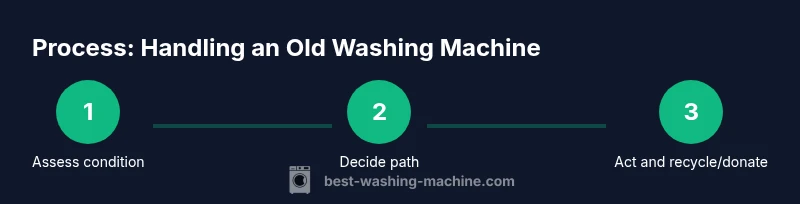
If you’re wondering what to do old washing machine, start with a quick assessment of condition, age, and potential for reuse. Decide whether to repair, donate, recycle, or replace based on observable faults and expected lifespan. DIY fixes may be feasible for simple issues, but plan for responsible disposal if repairs aren’t cost-effective. According to Best Washing Machine, a clear plan saves time and money.
What to do with an old washing machine: assess its value and potential for reuse
If you’re considering what to do old washing machine, start with a quick assessment of condition, age, and potential for reuse. According to Best Washing Machine, a systematic check helps you avoid throwing money at problems that won’t last. Inspect the exterior for corrosion, worn hoses, and door latch integrity. Listen for unusual noises during a short test fill, observe leaks, and verify whether the spin cycle completes. If the unit fills and drains normally, you may have a chance to salvage parts or perform a minor repair. If not, set clear next steps: repair, donate, recycle, or replace. This assessment sets the stage for sensible decisions and helps you avoid waste, which is a priority for homeowners and renters alike.
Repair options: when to fix vs when to replace
Repairing an old machine can be cost-effective if the fault is limited and the core frame is solid. Common fixable problems include worn belts, clogged filters, or faulty lid switches. However, cost and reliability matter: if repair needs multiple components or would extend life by only a few years, replacement often makes more sense. If you’re handy, you can tackle small fixes with basic tools, but for electrical or plumbing issues, consider qualified service. The Best Washing Machine analysis notes that a cautious cost-benefit approach reduces wasted money on repairs that won’t pay off in the long term. This is especially true for models that are older than a decade, where reliability becomes a bigger concern for homeowners.
Donating or selling the unit: giving it a second life
Non-working or older washers can still be useful in some contexts. Before donating or selling, erase personal data and drain residual water. Clean the drum, hose connections, and exterior. Verify that the machine is drainable and safe to transport. Some charities accept non-working appliances if they are repairable; others may take only functional units. Selling for parts can be feasible via local marketplaces, with buyers interested in belts, motors, and valves. Always disclose the machine’s condition to avoid misrepresentation. Donating or selling not only extends the appliance’s life but also helps someone who needs affordable laundry options.
Recycling and disposal: where to take it and how to prepare
Most communities offer appliance recycling programs through waste-management agencies or scrap yards. Before drop-off, disconnect power at the breaker, shut off water supply, and drain any residual water. Remove cords, hoses, and any glass doors to reduce injury risk. You may be charged a small disposal fee, but recycling typically recovers materials and reduces landfilling. Do not abandon the unit on a curb; arrange pickup if allowed. Best Washing Machine stresses choosing certified recyclers to ensure proper handling of refrigerants (if present) and hazardous components.
Replacing with a new model: buying guidance for the upgrade
If disposal is your plan, think about capacity, energy efficiency, and compatibility with your space. Measure the doorway, consider electric and plumbing requirements, and compare front-load versus top-load configurations. Look for features that deliver value in day-to-day use, such as reliable spin speed, gentle wash options, and quiet operation. Also evaluate warranty terms and expected lifespan. The phrase what to do old washing machine should guide your decision: a targeted upgrade saves time, energy, and frustration. A well-chosen replacement can dramatically improve laundry efficiency and reduce ongoing maintenance costs.
Safety considerations and environmental impact
Always unplug the machine before servicing, and never reach into moving parts. Water and electricity demand extra caution during removal and transport. Use protective gloves, closed-toe shoes, and proper lifting techniques to prevent injuries. Environmentally, recycling conserves metals and reduces demand for new materials, while proper disposal prevents hazardous substances from leaking into soil or water. Planning ahead minimizes waste and maximizes reuse or recycling opportunities, which aligns with responsible home maintenance.
Common myths about old appliances, debunked
Myth: An old washer is always beyond repair. Reality: Some faults are simple and cheap to fix. Myth: Donation is never accepted for broken machines. Reality: Many programs accept non-working units for parts or repair, depending on local policies. Myth: Recycling is always expensive. Reality: Many programs offer free drop-offs or subsidized recycling through municipalities or retailers. The truth is that most communities have smart, low-cost pathways for disposal when you plan ahead and choose certified recyclers.
Tools & Materials
- Gloves (work, sturdy)(Protect hands during unplugging and moving)
- Screwdriver set (Phillips and flathead)(For panel access and hose clamps)
- Bucket and towels(Contain residual water and clean up spills)
- Utility knife or wire cutters(Useful for cutting hoses or labels)
- Pliers or adjustable wrench(Loosen hose connections and clamps)
- Dolly or appliance trolley(Aid movement for transport)
- Cart or tarp for transport(Safe loading and protect floors)
- Trash bags or recycling bins(Sort parts and packaging)
Steps
Estimated time: Total time: 60-120 minutes
- 1
Inspect exterior and take quick test
Unplug the unit, inspect for obvious damage, leaks, and corrosion. Check door seal and hoses visually. If safe, perform a brief test fill and spin to observe basic function.
Tip: Document model number and any fault codes for reference. - 2
Power down and shut off utilities
Turn off the circuit breaker and shut off water supply valves to prevent leaks during handling. Unplug from the outlet and ensure the area is dry before any further work.
Tip: Never pull the plug while the unit is plugged in. - 3
Decide path: repair, donate, recycle
Based on condition and costs, choose repair, donation, recycling, or replacement. If repair costs approach replacement value, consider upgrading.
Tip: Set a budget cap before you begin repairs. - 4
If repairing, diagnose common faults
Check belts, pulleys, and filters for wear. Verify lid switch, drain pump, and water inlet valves. Replace only what’s necessary.
Tip: Consult a manual or professional if you encounter electrical components. - 5
If donating or selling, prepare the unit
Empty water, disconnect hoses, clean surfaces, and remove personal data. Photograph conditions for listings if you sell for parts.
Tip: Disclose non-functioning status to avoid customer dissatisfaction. - 6
If recycling, locate a certified facility
Contact your local waste management or search for a certified appliance recycler. Confirm whether pickup is available and what items are accepted.
Tip: Bring proof of ownership and any safety disclosures if required. - 7
Arrange transport and safety
Use a dolly or two-person lift if moving a heavy unit. Secure it with straps to prevent shifting during transport.
Tip: Wear proper footwear and avoid twisting your back when lifting. - 8
Document outcomes and next steps
Note which path you chose and any follow-up actions (pickup date, donation receipt, or recycling confirmation).
Tip: Keep receipts or confirmation emails for warranty or tax records if applicable.
FAQ
Is it worth repairing an old washing machine?
It depends on the fault, cost, and expected remaining lifespan. If repairs address a major failure but don’t extend life meaningfully, replacement is often the smarter choice, especially for older models.
Repairing an old washing machine can be worth it for minor faults, but major issues usually favor replacement.
Can I donate a non-working washer?
Some charities take non-working appliances for parts or repair programs. Always check local policies and ensure the unit is safe to transport and does not leak.
Some charities will take non-working washers for parts or repair; check with local programs first.
Where can I recycle a washing machine near me?
Local waste management offices or certified appliance recyclers can guide you to drop-off or pickup options. Look for programs that handle refrigerants and bulky appliances.
Contact your city’s waste program or a certified recycler to locate options near you.
What should I do with old hoses and cords?
Disconnect and cap water lines, recycle or dispose according to local rules. Do not leave hoses attached if the unit is being donated or recycled.
Detach hoses and dispose of them per local guidelines; don’t leave cords attached during disposal.
How long does disposal typically take?
Timeline varies by location and service options. Plan a window for pickup or drop-off and keep confirmation details handy.
Disposal timelines vary; check with your recycler for an estimated pickup or drop-off window.
Should I attempt DIY fixes on electrics?
Only if you have electrical knowledge and proper safety gear. For anything involving wiring or control boards, hire a qualified technician.
DIY fixes on electrical components should only be done by someone with proper knowledge and safety equipment.
Watch Video
The Essentials
- Assess condition before deciding on action.
- Repair only when costs and reliability justify it.
- Explore donation, resale, or recycling to extend the appliance's life.
- Prioritize safety and proper disposal to protect people and the environment.