Can a washing machine be kept in balcony? A practical balcony setup guide
Explore whether you can keep a washing machine on a balcony, plus weatherproofing, safety, and maintenance tips for small spaces. Learn from Best Washing Machine on how to do it right.


You can keep a washing machine on a balcony under the right conditions: weather protection, proper drainage, a stable surface, and safe electrical connections. This guide shows the steps to assess feasibility and set up a balcony-friendly laundry setup.
Balcony viability and can washing machine be kept in balcony
According to Best Washing Machine, the core question isn't simply whether a washer can exist outdoors, but whether your balcony can safely support it year-round. The decision hinges on multiple factors: weather exposure, structural load, drainage, electrical safety, and local rules. When we assess can washing machine be kept in balcony, we weigh the washer's weight when full, vibration, and the balcony's floor finish. Best Washing Machine analysis shows that many balconies are not designed for heavy, continuous loads, but with proper reinforcement, weatherproofing, and a dedicated drainage plan, a compact, energy-efficient model can be feasible in some homes. Homeowners and renters who want to do laundry on a balcony should plan for seasonal weather swings, from hot sun to heavy rain, and from winter freezes to spring winds. The goal is to create a safe, weather-resilient laundry corner that minimizes risk to you and neighboring units. In the end, the feasibility depends on your specific balcony structure, local regulations, and your willingness to invest in protective measures.
Weather and structural considerations for balcony use
Exposure to sun, rain, wind, and temperature swings affects washing machines differently than indoor installations. Direct sunlight can degrade plastic hoses and seals; moisture can lead to rust on metal parts; and temperature fluctuations can affect motor lubrication. Structural concerns include the balcony's load-bearing capacity, movement, and potential vibration transfer to the building. To mitigate these risks, you should verify the balcony can support the washer's weight when full, install anti-vibration pads, and use a stable, level platform. In many cases, a compact or top-load model is preferable for balcony use because of its lighter footprint and easier weight distribution. Ensure the washing machine resides behind a durable, weatherproof cover to protect from rain and UV exposure. Finally, check if your building's rules require a protective railing or enclosure around the unit to deter accidental falls or tampering. This section emphasizes why weatherproofing and structural evaluation are essential precursors to can washing machine be kept in balcony.
Electrical safety and drainage basics
Electrical safety is non-negotiable when placing a washer on a balcony. Outdoor-rated outlets with GFCI protection are essential, and all connections should be kept dry and sealed from the elements. Use an outdoor-rated power cord and weatherproof enclosure for the outlet, and route the cord away from foot traffic. Drainage is another critical safety factor; the drain hose must slope toward a safe drain and avoid backflow or pooling water on the balcony. A leak tray or drain pan can catch any overflow, while a drip edge can redirect water to an approved drain. Do not rely on temporary solutions like wrapping cords in duct tape—permanent weather sealing is required. Moisture and electricity together can create serious hazards, including electric shock and short circuits. This is why Best Washing Machine emphasizes following local electrical codes and, when in doubt, consulting a licensed electrician. The synergy of weatherproofing, correct drainage, and safe electrical connections is what makes balcony washing feasible.
Choosing a washer for balcony living
Not all washing machines are created equal for outdoor or balcony installation. The best candidates are compact, energy-efficient, and designed to minimize vibration. A top-load machine is often easier to access in tight balcony spaces, while a front-loader can be heavier but may offer better extraction and water efficiency. Consider models with stainless steel drums, stainless steel internal components, and high-quality hoses designed for outdoor use. Look for features like auto-restart after power loss, stainless steel or glass doors that resist sun damage, and energy-star rated operation that reduces power draw. A shallow footprint and adjustable feet help you level the unit on imperfect surfaces. If your balcony has strong wind exposure, ensure the washer's weight is balanced and use anti-vibration feet to minimize movement. For renters, check your lease terms and landlord approval before purchasing a balcony-friendly machine. The conclusion is that a purpose-built, compact, and weather-resilient washer is the best bet for balcony installation.
Prepare balcony space: surface, enclosure, and mounting
Before bringing a washer onto the balcony, prepare the area as if you were building a tiny outdoor laundry nook. Clean and dry the surface; install a level, non-slip pad or raised platform to minimize water contact with concrete. Place a leak tray or shallow pan beneath the unit, and consider a small enclosure or weatherproof cabinet that keeps rain and direct sunlight off the machine. Use anti-vibration pads under the feet to dampen movement and reduce noise that could disturb neighbors. Route hoses away from balcony edges and secure them with hose clamps so they cannot be dragged or pulled by pets or wind. If you can, install a lightweight rain guard or canopy to shield the machine from rainfall while providing ventilation. Finally, verify that the machine's door clearance and the balcony's dimensions allow safe operation without banging into railings or nearby walls. This setup enhances safety and helps address can washing machine be kept in balcony.
How to install and test your balcony washer safely
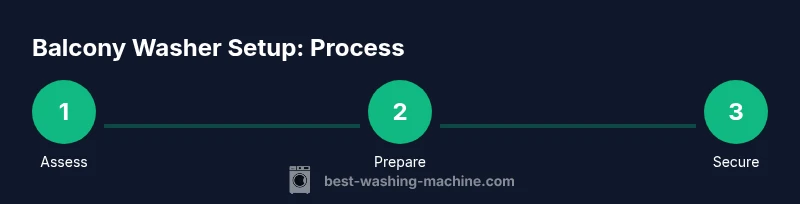
Follow a careful sequence to install the balcony washer, focusing on safety and code compliance. Start with site assessment, then choose a suitable washer, then prepare the mounting surface and weatherproofing, followed by electrical and drainage setup, and finally a test run. Each sub-step reduces risk and ensures you can can washing machine be kept in balcony without surprises. After installation, monitor for leaks, vibrations, and any moisture intrusion into interior spaces. Always have emergency shutoff access and keep a fire extinguisher nearby. This section includes practical steps to minimize risk.
Maintenance and protective practices for balcony washers
Regular maintenance extends the life of a balcony washer. Clean the lint filter and water inlet screens, inspect hoses for cracks or bulging, and replace hoses every few years or as recommended by the manufacturer. Wipe down the exterior to remove salt spray or moisture that can occur in coastal environments. Check the drainage path to ensure no clogs form, and replace anti-vibration pads if they become worn. Store winterizing products away from the machine and protect cords from sun damage by using covers. If you notice unusual noises or leaks, stop operation and inspect connections. By staying on top of maintenance, you reduce the risk of water damage to the balcony and the rest of the building. The Best Washing Machine team emphasizes consistent care.
AUTHORITY SOURCES
- https://www.cpsc.gov
- https://www.energy.gov/energysaver
- https://www.osha.gov
Real-world scenarios and alternatives
In some buildings, balcony installations are not permitted or require special approvals. If your HOA or landlord restricts outdoor laundry equipment, consider alternatives such as compact, ventless units designed for apartment use, or using a nearby shared laundry facility. If you own the balcony, ensure you install a weatherproof enclosure and a dedicated drainage line to prevent water damage to walls and floors. Always have a contingency plan for inclement weather and seasonal changes. While balcony washers can be feasible, they demand careful planning and ongoing maintenance to remain safe and reliable over time.
Tools & Materials
- Stable, level platform for washer(Concrete slab or anti-vibration mat; ensure load rating matches full washer weight)
- Weatherproof enclosure or cover(Protects from sun and rain; ensure ventilation)
- Drain hose extension with proper slope(Slope toward drain; avoid backflow)
- Leak tray or drain pan(Contain minor leaks; supports safe drainage)
- Outdoor-rated GFCI outlet(Weatherproof, tamper-resistant; install by licensed electrician if needed)
- Weatherproof outlet box and grommets(Seal gaps to keep moisture out)
- Anti-vibration pads(Reduces movement and noise on balcony surfaces)
- Outdoor-rated power cord(Cord rated for exterior use; length enough to reach outlet without strain)
- Hose clamps(Secure hose connections to prevent leaks)
Steps
Estimated time: 60-120 minutes
- 1
Assess balcony suitability
Evaluate load capacity, exposure to weather, drainage access, and building rules. Measure the balcony floor area and height to ensure a compact washer will fit and operate safely. Decide on a plan for anchoring or stabilizing the unit and choose a model that minimizes vibration.
Tip: Check the balcony's weight limit and, if uncertain, consult a structural professional. - 2
Choose the right washer
Prefer compact, energy-efficient models with good vibration control. Top-load options tend to be easier to place on balconies; front-load units save water but may be heavier and require sturdier mounting.
Tip: Look for stainless components and solid hoses designed for outdoor use. - 3
Prepare the mounting surface
Install a level platform and anti-vibration pads. Place a leak tray beneath the washer and create a small enclosure if possible to shield from direct rain. Ensure the surface is clean and dry before positioning the unit.
Tip: Test level with a spirit level and adjust feet as needed. - 4
Install weatherproof electrical setup
Install an outdoor-rated GFCI outlet and weatherproof box. Route the power cord through a sealed grommet and keep connections off the balcony floor. If you are unsure, hire a licensed electrician.
Tip: Never run a washer from an indoor outlet or through wet surfaces. - 5
Route drainage safely
Connect the drain hose to a safe outflow, ensuring a gentle slope to the drain. Avoid draining onto walls, railings, or the balcony edge. Use hose clamps to secure the hose.
Tip: Test with a short wash to verify proper drainage and no leaks. - 6
Run a test and finalize setup
Perform a no-load cycle first to check for vibrations and leaks. Then run a light load to observe performance in real use. Keep an emergency shutoff nearby and monitor for moisture.
Tip: Document any changes needed for weather sealing or stability.
FAQ
Can a washing machine be kept on a balcony legally?
Legality depends on local codes and building rules. Always obtain landlord or HOA approval and follow safety guidelines to avoid violations. If in doubt, consult local authorities or a home inspector.
Check local rules and your building's policies before placing a washer on a balcony.
What type of washer works best on a balcony?
Compact, energy-efficient models with good vibration control are preferred. Top-load units are often easier to install in tight spaces, while front-load models save water but may require sturdier mounting.
A compact, energy-efficient model suited for outdoor use is ideal for balconies.
How can I prevent leaks on a balcony washer?
Use a leak tray, ensure tight hose connections with clamps, slope drainage away from edges, and keep hoses and cords dry and protected from sun.
Install a drip tray and proper drainage to prevent leaks on your balcony.
What maintenance is essential for balcony washers?
Regularly inspect hoses, clean filters, wipe down surfaces, and check drainage paths for clogs. Replace worn anti-vibration pads as needed.
Inspect hoses and hoses every season to catch wear before it becomes a leak.
Are balcony washers energy efficient compared to indoor models?
Energy-efficient balcony washers reduce running costs but may require weatherproofing extra steps. Look for Energy Star-rated models and proper installation.
Energy-efficient models save power, but ensure proper outdoor setup.
Watch Video
The Essentials
- Assess balcony load and weather exposure before buying.
- Prioritize weatherproofing and safe drainage.
- Choose energy-efficient, compact washers for balcony use.
- Maintain hoses and seals to prevent leaks and corrosion.
- Follow electrical codes and consult a professional if in doubt.