How to Fit a Washing Machine: A Complete Step-by-Step Guide
Learn how to fit a washing machine safely and securely in your home. This comprehensive guide covers space planning, plumbing, electrical safety, leveling, testing, and common mistakes to avoid. Includes tools, steps, tips, and expert insights from Best Washing Machine.


Learn how to fit a washing machine safely and securely in your home. This step-by-step guide covers space planning, leveling, water and drain connections, and electrical safety. You’ll know the essential tools, the critical mounting steps, and how to test for leaks before you run your first cycle. Follow the recommendations from Best Washing Machine for best results.
Why proper installation matters
Fitting a washing machine correctly reduces the risk of leaks, excessive vibration, and energy waste. When you learn how to fit washing machine components properly, you improve reliability and protect surrounding floors and cabinets. According to Best Washing Machine, a correct installation also helps prevent water damage and electrical hazards that can occur when hoses are loose or misrouted. This section explains why attention to space, hookups, and safety matters, and how small mistakes can cascade into bigger problems down the line. You’ll hear about common failure modes, such as cross-threaded inlet connections or a drain hose that isn’t secured, and how avoiding them saves time and money in the long run. With a solid plan, you’ll have a stable platform for many years of reliable washing.
Space planning and measurements
Successful fitting starts with a precise plan. Measure the width, depth, and height available in your utility area, and compare those numbers against your washer’s dimensions, including door clearance. Don’t forget to account for the space the hoses, power cord, and vent or drain will need to move without obstruction. Leave enough room to open the door fully and to access the back for maintenance. If the space is tight, consider a compact or stackable model and consult your manufacturer’s manual for required clearances. This section lays out a practical measurement checklist and a sample floor plan you can adapt to your room layout.
Plumbing connections: water inlet and drain
Attach the water inlet hoses to the machine and to your home supply valves, ensuring the connections are snug but not overtightened. Use the included gaskets or washers and, if recommended, a small amount of plumber’s tape on threaded metal connections. Position the drain hose so it reaches a standpipe or drain with enough height and clearance to prevent backflow. Route hoses away from sharp edges and ensure they won’t kink during operation. After connecting, check that both hoses are straight and not strained. This section covers best practices for secure plumbing.
Electrical safety and power supply
Verify the washing machine will plug into a grounded outlet that is rated for the load, and avoid using extension cords or multiple devices on the same circuit. If your installation requires a dedicated circuit, plan accordingly before plugging in. Check that the outlet is upright and the cord is undamaged. Do not run power cords behind the machine where they could be pinched. Always unplug the unit before performing service and ensure the area around the plug remains dry.
Leveling, securing, and testing
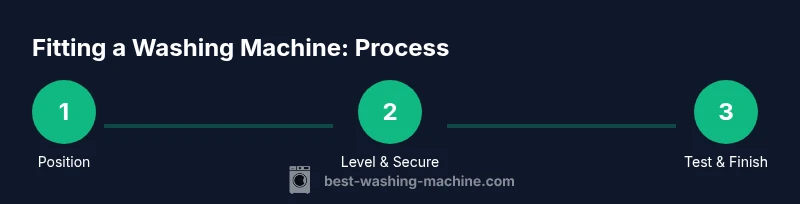
Place a spirit level on top of the machine and adjust the adjustable feet until the surface is even in both directions. Tighten locking nuts if your model uses them. Once level, gently push the washer from the front to confirm stability and minimize movement during cycles. Connect the hoses one final time if you adjusted them, then run a short test wash without clothes to look for leaks, unusual noises, or vibration. If problems appear, re-check connections and re-level.
Common mistakes and quick fixes
Common mistakes include skipping the leveling step, using stretched hoses, misrouting the drain, or neglecting to secure the power cord area. If you notice leaks, tighten connections slightly, but avoid overtightening metal fittings. If you see water pooling, inspect the drain hose height and ensure it’s properly inserted. If the unit rocks, re-check the feet and shims, then test again. Quick fixes save time and prevent damage to your floor.
Authority sources
For additional safety guidelines and energy considerations, refer to reputable sources:
- Energy Star: https://www.energystar.gov/products/clothes_washers
- U.S. Consumer Product Safety Commission: https://www.cpsc.gov/
- Consumer Reports: https://www.consumerreports.org/c washing-machine
Tools & Materials
- Washing machine(Ensure space and hookups match model dimensions.)
- Adjustable leveling feet or shims(Use to level the unit on an uneven floor.)
- Adjustable wrench(For hose connections and clamps.)
- Screwdriver (Phillips and flathead)(For panel access and hose clamps.)
- Teflon tape (plumber's tape)(Apply to threaded water connections.)
- Drain hose(Ensure proper routing to standpipe or drain.)
- Water inlet hoses(Check for kinks and wear; replace if damaged.)
- Measuring tape(Measure space and clearance accurately.)
Steps
Estimated time: 60-120 minutes
- 1
Power down and prep
Unplug the washing machine from the wall outlet and clear a safe workspace. Remove any transit packaging and ensure the floor is dry. This step reduces risk of shock and keeps the area clean as you begin installation.
Tip: Have a second person help lift the unit to avoid injuries. - 2
Move into position
Carefully slide the machine into its final location, keeping cords and hoses slack-free. If you need to tilt, do so slowly and keep hands away from pinch points. Verify there’s enough room to access the back and sides for connections.
Tip: Place a thin protective mat under the feet to prevent floor damage. - 3
Level the washer
Use a spirit level to check both directions across the top. Adjust the feet with a wrench until the machine sits evenly and does not rock. Lock any locking nuts after leveling.
Tip: Check level after shifting hoses; movement can alter alignment. - 4
Attach water inlet hoses
Connect the water supply hoses to the machine’s intake valves and to the household shutoff valves. Use gaskets or washers and hand-tighten, then snug with a wrench. Ensure hot and cold lines are correctly matched to your setup.
Tip: Do not overtighten; leaks are easier to fix when connections are snug, not jammed. - 5
Attach the drain hose
Secure the drain hose to the machine and route it to a standpipe or drain. Avoid sharp bends and maintain a drip-free path. Ensure the hose is firmly attached to prevent backflow during cycles.
Tip: Keep the drain hose above floor level to prevent siphoning. - 6
Connect power and test outlet
Plug the machine into a grounded outlet appropriate for the load. Do not use extension cords or multi-outlet adapters. Inspect the cord for damage before powering on.
Tip: If you must use a circuit tester, verify the outlet reads correctly for safety. - 7
Run a test cycle
Run a short, empty wash to check for leaks, vibrations, and noise. Observe all hoses and connections during the cycle. Stop the test if you notice excessive movement or leaks.
Tip: Keep a towel handy to catch any minor leaks during the first run. - 8
Finalize and secure
Re-check all connections and re-level if needed after the test. Tidy cords and hoses, and move the unit back slightly to avoid pinching. Document the installation for future maintenance.
Tip: Store manuals and warranty information in an accessible place.
FAQ
Do I need to hire a professional to fit a washing machine?
If you have basic plumbing and electrical skills, you can install a standard washer yourself. For complex plumbing layouts, electrical work, or building code compliance, consider hiring a licensed professional.
If you’re comfortable with basic plumbing and electrical setup, you can install it yourself. When in doubt, hire a pro to ensure safety and code compliance.
Can I install a washing machine in a tight space?
Yes, but you must respect clearance for hoses, door swing, and access to connections. Consider a compact or stackable model if space is limited and review the manufacturer’s clearance guidelines.
Yes, but check clearance and access; a compact model might be better for tight spaces.
What tools do I need to fit a washing machine?
Common essentials include an adjustable wrench, screwdriver, measuring tape, level, and plumber’s tape. You’ll also need proper hoses and a drain line appropriate for your setup.
You’ll typically need a wrench, screwdrivers, a level, measuring tape, and hoses.
What safety checks should I perform after installation?
Inspect all connections for leaks, verify the machine is level, and confirm the power outlet is secure and dry. Run a short cycle without clothes to observe performance.
Check for leaks, confirm level, and test with a short cycle.
How long does installation typically take?
Most installations take about 60 to 90 minutes, depending on space, layout, and whether any remodeling is needed.
Typical install time is around an hour to an hour and a half.
Watch Video
The Essentials
- Plan space and measure before installing.
- Level the machine to prevent movement and noise.
- Secure water and drain connections to prevent leaks.
- Test with a cycle before loading clothes.
- Keep documentation for warranty and future maintenance.