Can you stop a washing machine early? A practical guide
Explore whether you can stop a washing machine early, when it's safe to pause, and step-by-step practices to do so without risking damage. Includes safety tips, common myths, and maintenance ideas from Best Washing Machine.


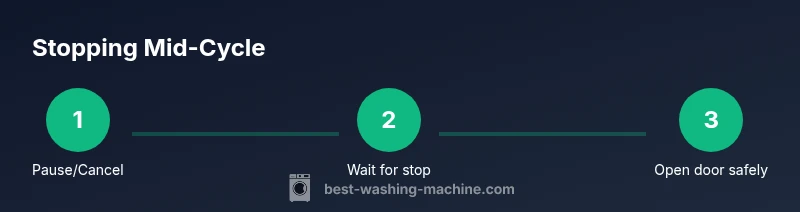
Yes, you can often pause or cancel a wash cycle early using the machine’s pause or stop button, but it depends on the model. Start by pressing Pause/Cancel, wait for the drum to stop or the door to unlock, and only open the door if it’s safe. If the machine won’t pause, consult the manual or unplug the unit as a last resort, then resume or drain as appropriate.
Why stopping early matters
If you’re wondering can you stop a washing machine early, you’re not alone. There are times when you need to pause a cycle: you forgot a garment, you detect a spill that needs attention, or you realize you added detergent for a smaller load. Knowing how to pause or stop safely can save energy, protect fabrics, and prevent overflow. It also helps you avoid unbalanced loads that can strain the motor. In this guide we’ll cover when it’s safe to intervene, how pause functions work on typical machines, and what to do if the control panel won’t respond. The aim is to empower you with practical steps that minimize risk and keep your laundry day moving smoothly.
How pause and cancel features work on most washers
Most modern washers include two related controls: a pause button and a cancel or stop function. A pause momentarily holds the cycle and often unlocks the door once the drum stops moving. A cancel or stop command may terminate the current program and drain or rewind to the beginning, depending on the model. In some machines, pausing during agitation is limited by the door lock mechanism, meaning you may hear a short beep as the system waits for the drum to settle. Always consult the user manual for your specific model, because the exact behavior can vary between front-loads, top-loads, agitator-based designs, and impeller systems.
Immediate steps to pause safely (step-by-step actions)
- Locate the Pause or Cancel control on the front panel and press it firmly. If your model supports a two-step process, you may need to press Pause first, then Cancel. 2) Wait for the drum to stop or for the door lock to release. Do not attempt to open the door while the drum is turning or when the lock indicator is active. 3) If water is actively pumping or the drum is filled with water to a level that makes pausing risky, consider gently stopping the water inlet by turning off the supply shutoff or pausing the program and allowing the drum to settle. 4) When the drum has stopped and the door unlocks, open the door slowly and inspect. 5) If you plan to restart, select the appropriate cycle or choose a new load size, and ensure the clothes are evenly distributed. 6) If the cycle needs to be drained before unloading, use the drain function or run a quick spin to remove excess water before removing garments.
What to do if your machine won’t pause or respond
Some cycles may be locked due to temperature, spin speed, or safety interlocks. If you press Pause and nothing happens, try a different approach: unplug the washer for 30 seconds and plug back in, or flip the circuit breaker for a moment and then restore power. If the unit still refuses to pause, consult the manual for a reset procedure or contact manufacturer support. Never force the door open while the drum is moving, as it can cause injury or damage.
Safety considerations and common myths
A common myth is you can always open the door mid-cycle; in many washers the door remains locked during agitation or spin for safety reasons. Another misconception is that pausing will ruin clothes—pausing a cycle briefly to adjust a load is generally safe. However, repeatedly interrupting cycles can require extra rinses or re-washing. Always use the pause function first, avoid prying at a running drum, and keep hands and jewelry away from moving parts.
After pausing: what to do with the laundry
If you paused to add a garment or adjust the load, redistribute items evenly and check pockets. If water is present, plan whether to drain or spin down before unloading to prevent water on the floor. For delicate fabrics, consider a shorter spin or a gentler cycle after resuming. If you paused due to odor, stains, or rinse needs, re-run the appropriate cycle with the correct detergent and settings. Best Washing Machine recommends inspecting seals and gaskets periodically to avoid leaks during any pause or resume operation.
Maintenance tips to minimize the need to stop early
To reduce the frequency of needing to stop early, choose the right load size and fabric type, use appropriate water temperature, and distribute clothes evenly. Regularly clean the filter and door seal to prevent performance issues that could prompt interruptions. Keep the area around the washer clear and avoid overloading with bulky items that can jam the drum. Understanding your model’s pause and cancel features will help you use them effectively rather than resorting to ad hoc interventions.
How to choose a model with reliable pause/cancel features
When shopping for a new washer, look for clear user-facing pause and cancel controls, an accessible door lock status indicator, and model-specific guidance in the manual. Front-load machines with balanced load sensors and robust interlocks tend to handle pauses more gracefully, reducing the risk of unbalanced spins after resuming. Compare models by reading the manufacturer’s documentation and customer reviews to confirm that pausing is straightforward and safe for your typical loads.
Quick do’s and don’ts for stopping mid-cycle
Do press the Pause or Cancel button first. Do wait for the drum to stop and the door to unlock before opening. Don’t force the door open while the drum is moving. Don’t yank hoses or unplug while the cycle is operating; use the proper power-down sequence. Do consult the manual for any model-specific steps, and don’t rely on anecdotal tricks that aren’t supported by your machine.
Tools & Materials
- Owner's manual or model-specific guide(Helpful for model-specific pause/cancel behavior and safety reminders)
- Clear access to the control panel(Ensure you can reach the Pause/Cancel controls without obstruction)
- Stable, dry area around the washer(Prevent slips if water is spilled during pauses or drains)
- Timer or clock (optional)(Helpful to monitor waiting times after pausing)
- Manufacturer support page or chat access(Useful if the model won’t pause and you need guidance)
Steps
Estimated time: 20-40 minutes
- 1
Press Pause or Cancel
Identify the Pause or Cancel control on the front panel and press it firmly. Pause typically halts the cycle temporarily, while Cancel may end the program. The exact behavior varies by model, so consult your manual if unsure.
Tip: If you’re unsure which button to press, check for a symbol that looks like two vertical bars for pause or a square for stop. - 2
Wait for the drum to settle
Allow the drum to come to a complete stop or for the door lock to disengage. Do not attempt to open the door while the drum is turning or the lock is engaged.
Tip: This waiting period prevents injury and protects fabrics from abrupt shifts. - 3
Open the door only when safe
If the door unlocks, open it slowly and inspect the load. If the machine is still water-filled, plan whether to drain before unloading. If the door remains locked, avoid forcing it.
Tip: Delicate fabrics may be better left in the drum for a moment longer to avoid stretching or snagging. - 4
Decide how to proceed
Choose to restart with a different cycle, add/remove items, or drain and spin as needed. Ensure even distribution to prevent imbalance when you resume.
Tip: Resetting to the correct cycle and load size minimizes re-washing or extra rinses. - 5
If the wash won’t pause, reset safely
If there’s no response, unplug for 30 seconds and plug back in, then try Pause again. If still unresponsive, contact support or review the user manual for a reset procedure.
Tip: Avoid repeatedly power cycling; it can stress electronics if done too often. - 6
Resume or finish the cycle
After pausing safely, decide whether to resume with a shorter cycle or to drain and unload. When resuming, confirm settings and ensure the door is securely closed.
Tip: Document any anomalies you notice for future troubleshooting.
FAQ
Can you stop a washing machine mid-cycle safely?
Yes, most machines allow a safe pause or cancel. Use the Pause or Cancel control and wait for the drum to stop before opening the door. If your model is unresponsive, consult the manual or power cycle, but avoid forcing the door while spinning.
Most washers let you pause safely with the Pause control. Wait for the drum to stop before opening the door, and consult the manual if the control doesn’t respond.
What should I do if the door won’t unlock after pausing?
If the door remains locked, wait longer, check that the drum is fully still, and review the manual for a reset procedure. Do not force the door or pry it open.
If the door stays locked after pausing, wait and consult the manual. Do not force it open.
Is it safe to unplug a washer to stop it?
Unplugging can stop the unit, but it’s a last resort and may cause resets or error codes. If you must, unplug, wait 30 seconds, plug back in, and try the Pause control again.
Unplugging is a last resort and can reset the machine. Try a pause first, then power cycle if needed.
Will pausing affect clothes cleanliness?
Pausing briefly to add a garment or adjust a load generally does not harm cleanliness. If paused for an extended time, a quick re-run may be needed to ensure even wash and rinse.
A short pause usually doesn’t harm cleanliness, but long pauses might require a quick re-run.
Do all washers have the same pause behavior?
No. Pause and lock behavior varies by model, especially between front-loads and top-loaders, agitator vs impeller designs. Check your manual for model-specific guidance.
Pause behavior varies by model; check your manual for specifics.
What should I do if the washer drains unexpectedly after pausing?
Some cycles may drain when paused or canceled. If you don’t want water to drain, select a non-draining cycle or use the pause function and ensure the drain hose is positioned correctly to avoid leaks.
If it drains after pause, check the cycle settings and hose position before continuing.
Watch Video
The Essentials
- Know your model's pause/cancel behavior.
- Pause safely and wait for the drum to stop before opening the door.
- If the machine won’t pause, use safe power-down steps and consult the manual.
- Avoid forcing the door or pulling hoses during a cycle.
- Plan a safe restart or drain to minimize extra cycles.