Washer Use With Broken Boiler: Urgent Safety Guide
Urgent troubleshooting guide: can you safely run a washing machine when the boiler is broken? Learn risks, immediate steps, and how to protect your home and laundry routine until heating is restored.


Short answer: Do not rely on your boiler to heat water for a washing machine when it is broken. In most homes, cold-water cycles can still run, but hot-water cycles may fail or pose safety risks. Shut off the boiler’s feed to the laundry area, use cold cycles, and call a licensed heating technician for inspection and repair.
Why You Shouldn't Run Laundry With a Broken Boiler
When the boiler that delivers hot water or heat to your home is not functioning, running a washing machine can introduce safety risks and stress other components of the system. According to Best Washing Machine, safety comes first when boilers malfunction. This section explains why hot water may be unreliable, how this affects common washing cycles, and what you should do immediately to protect your home. We’ll cover the difference between models that heat water internally and those that rely on an external hot-water supply, why relying on a broken boiler is not a good idea, and practical alternatives while you arrange repairs. The takeaway: prioritize safety, then plan a cold-water laundry routine until the boiler is repaired.
How Washing Machines Use Water and Heat
Most washing machines operate with cold-water in from the house supply, and some models heat water internally for certain cycles. Other machines rely on a readily available hot-water feed from the domestic system. When a boiler is broken, hot-water availability becomes uncertain, which can impact wash performance and finish. If your model heats water internally, you may still complete cold and warm cycles, but hot cycles could be compromised due to boiler issues elsewhere in the system. Understanding your washer’s water source helps you choose safe, effective settings during a boiler outage.
Safety Risks If the Boiler Is Broken
- Gas or propane leaks can occur if the boiler is malfunctioning, creating carbon monoxide risks or fire hazards. - Electrical faults around boiler wiring can pose shock or fire hazards, especially near damp laundry areas. - A boiler that cannot regulate pressure or temperature may cause inconsistent water temperatures, scalding risk, or pipe bursts. - Water leaks from the boiler or its connections can lead to property damage and mold growth. The core message is simple: do not ignore boiler trouble while running laundry; prioritize professional inspection and containment of any hazards.
Immediate Steps You Should Take
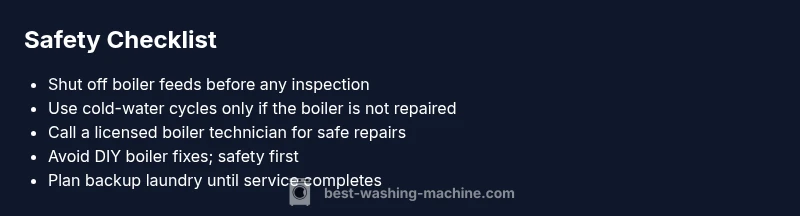
- Stop and Power Down: unplug the washing machine and cut power to the laundry area if you notice unusual noises or smells. 2) Stop Boiler Feed: turn off the water and gas/electric supply to the boiler as appropriate and shut any nearby gas valves if you can safely reach them. 3) Check for Leaks: inspect around the boiler and hoses for drips or pooling water. 4) Use Cold Cycles Only: if you must wash while awaiting service, use cold-water settings and avoid hot or warm cycles. 5) Call a Pro: document symptoms and call a licensed boiler technician or heating engineer to diagnose and repair.
Diagnostic-Flow: Symptom to Diagnosis
Symptom: Laundry cycles erratic or fail to start after boiler trouble
- causes: [{ cause: "Boiler not supplying hot water or heating, affecting hot cycle readiness.", likelihood: "high" }, { cause: "Washer connected to boiler-fed hot water supply for certain cycles is unable to access hot water due to boiler failure.", likelihood: "medium" }, { cause: "Electrical fault or tripped breaker unrelated to boiler.", likelihood: "low" }]
- fixes: [{ fix: "Disconnect hot-water supply where present and run cold cycles only; unplug appliance during checks.", difficulty: "easy" }, { fix: "Shut off boiler gas/electric feed and call a professional for safety inspection.", difficulty: "easy" }, { fix: "Schedule boiler repair with a licensed heating professional; do not attempt DIY boiler repairs.", difficulty: "medium" }]
Step-By-Step: Safe Response Before Repairs
- Power down and unplug the washer; disconnect from the wall outlet. 2) Turn off the boiler’s main power and shut off the water supply to the boiler if safely accessible. 3) Detach the washing machine’s hot-water hose if it is connected to a boiler-fed supply, and leave cold-water usage only. 4) Inspect exposed hoses for signs of leaks; do not touch hot surfaces. 5) If you notice gas odors, evacuate and call emergency services. 6) Contact a licensed boiler technician to evaluate and repair; coordinate laundry around repair times for safety. 7) Develop a short-term laundry plan (laundry day scheduling, temporary storage) until full service is restored.
Prevention and Long-Term Safety Tips
- Schedule regular boiler maintenance to catch issues before they disrupt home appliances. - Consider a separate cold-water-only wash mode or a backup laundry plan during heating-system outages. - Keep important safety contacts handy, including a licensed heating engineer and local emergency services. - Label and store important boiler documents and clear access routes for technicians. - If you notice persistent leaks or odd smells near the boiler, stop using the area and call a professional immediately.
Quick Reference Checklist
- Verify whether your washer relies on hot water from the boiler; plan cold-water washes if uncertain.
- Shut off boiler feed to the laundry area during any suspected outage.
- Do not attempt complex boiler repairs yourself; call a licensed professional.
- Check for gas odors or puddles near the boiler; evacuate if necessary and call emergency services.
- Keep a spare laundry schedule to avoid overloading during repairs.
FAQ Sneak Peek (see FAQ section below for full answers)
- Can a broken boiler affect only hot water or heating? In most homes, a boiler outage affects hot water and heat; many washers can still operate on cold water. - Is it safe to run a washing machine on cold water when the boiler is broken? Yes, cold-water cycles are typically safe, but check manual and avoid hot cycles until repairs are complete. - Who should I call first: plumber or boiler technician? Start with a licensed heating engineer or boiler technician if gas/electric boiler issues are suspected; they can coordinate with a plumber if water leaks are present.
Steps
Estimated time: 60-90 minutes
- 1
Power down and unplug
Unplug the washing machine and switch off the power at the outlet. This prevents any sudden startup if the boiler or wiring is unstable. If you smell gas or see sparks, step away and call for professional help immediately.
Tip: Keep the cord accessible for a quick reconnect when you’re ready to test safe cold cycles. - 2
Shut off boiler feeds
Locate and switch off the boiler’s main power and shut the water supply to the boiler if you can reach it safely. This reduces the risk of leaks or pressure issues during laundry handling.
Tip: Do not attempt to operate the boiler or its valves beyond what you can safely reach. - 3
Isolate washer from hot water
If the washer is plumbed to a hot-water line, disconnect the hot hose from the supply valve and cap it to avoid leaks. Run only cold washes until the boiler is repaired.
Tip: Label hoses so you remember which line is hot when you reconnect later. - 4
Check for leaks and safety hazards
Inspect hoses and connections for signs of moisture or dampness. If you see active leaks, place towels, turn off the main water supply, and call a plumber and boiler technician.
Tip: Take photos of any damage to share with professionals. - 5
Plan safe laundry options
Use cold cycles only or postpone laundry until boiler repair is completed. Consider a temporary laundry solution or a laundromat to avoid overloading your home system.
Tip: Schedule a repair window and inform household members about the interim plan. - 6
Call professionals
Contact a licensed heating engineer or boiler technician for a full inspection and required repairs. They will assess gas lines, electrical safety, venting, and pressure regulation to prevent future incidents.
Tip: Provide the technician with a list of symptoms, recent noises, and any error codes you observed.
Diagnosis: Washing machine cycles are erratic or won’t start when boiler is broken
Possible Causes
- highBoiler not supplying hot water or heating, affecting hot cycle readiness
- mediumWasher connected to boiler-fed hot water supply for certain cycles is unable to access hot water due to boiler failure
- lowElectrical fault or tripped breaker unrelated to boiler
Fixes
- easyDisconnect hot-water supply where present and run cold cycles only; unplug appliance during checks
- easyShut off boiler gas/electric feed and call a professional for safety inspection
- mediumSchedule boiler repair with a licensed heating professional; do not attempt DIY boiler repairs
FAQ
Can a broken boiler affect only hot water or heating?
A broken boiler can disrupt hot water supply and home heating. Many washing machines can still run on cold water, but hot-water-dependent cycles may fail. Always verify which cycles your model uses and proceed with cold washes until repair.
A broken boiler can disrupt hot water and heating. Most washers can run cold cycles, so use those until the boiler is fixed.
Is it safe to run a washing machine on cold water when the boiler is broken?
Yes, cold-water cycles are generally safe and unaffected by boiler status. Avoid hot cycles until the boiler is repaired, and use this time to plan for professional service.
Cold washes are typically safe when the boiler is broken; avoid hot cycles until repairs are complete.
Who should I call first: plumber or boiler technician?
Start with a licensed boiler technician or heating engineer if you suspect gas, electrical, or venting issues. If there is water leakage, also involve a plumber. They can coordinate safety inspections and repairs for the entire system.
Call a licensed boiler technician first; a plumber can help with leaks if needed.
What are early signs that my boiler needs service?
Listen for banging noises, unusual smells, pilot-light issues, frequent cycling, or visible leaks. These indicators suggest a service visit is needed to prevent safety risks and further damage.
Noisy, smelly, or leaking boilers mean it’s time for service.
How long does boiler repair typically take?
Repair times vary by issue and availability of parts. A routine service might take a few hours, while complex faults or parts replacement could extend to a day or more. Your technician will provide a timeframe after inspection.
Repair time depends on the fault and parts; the technician will estimate after inspection.
Watch Video
The Essentials
- Prioritize safety before attempting any laundry fixes.
- Cold-water cycles may be safe to run, but hot cycles require boiler service.
- Shut off boiler feeds and power before inspecting or running any tests.
- Call a licensed professional for boiler repair and coordinate laundry planning.