Does a Washing Machine Work If the Boiler Is Broken? Practical Troubleshooting
Find out if your washing machine can run when the boiler is broken, with practical steps, safety tips, and when to call a professional for homeowner peace of mind.


Definition: In most homes, a washing machine will operate with cold water even if the boiler is broken. If your model relies on hot water from the boiler, you can still run cycles using cold or warm settings, or let the machine heat water itself if it has an internal heater. For hot washes, you'll need boiler repair or an alternative heat source.
How boiler failure interacts with a washing machine
When the boiler is broken, the question of whether the washing machine will still run becomes a practical concern for many households. In most homes, a washing machine can operate with cold water even if the boiler is offline, since the machine will fill with cold water and heat it internally if the cycle supports it. According to Best Washing Machine, the vast majority of modern models can complete standard cycles using cold water without any risk to the machine. The key is to understand how your specific unit handles water temperature selection: if you only ever select hot water and your supply is cut off, you'll either end up washing with cold water or the cycle failing to reach the intended temperature. The phrase does washing machine work if boiler broken summarizes this behavior: cold-water washes remain available, while hot washes may be limited. Also note that some boilers are linked to a home’s heating system rather than the washer, meaning boiler status will not affect the washer’s operation on cold or warm settings. This distinction matters for safety and for your expectations during a boiler outage.
Cold-water operation stays reliable when the boiler is down
Cold-water operation remains the backbone of troubleshooting when the boiler is broken. Most washers pull cold water from the supply and either run the cycle at that temperature or heat the water inside the drum. Modern machines are designed to adapt, offering numerous cycles that do not require hot water, including quick washes, delicates, and many eco-friendly options. For most families, choosing a cold-wash setting will yield clean clothes without additional hazards. If your model supports temperature control, you’ll typically see options like cold, warm, and hot. When the boiler is offline, select cold or warm only if the machine can heat water; otherwise, anticipate longer wash times since the internal heater must work to reach warm temperatures. This approach lets you stay functional during boiler downtime while you plan repairs.
The role of your washer’s internal heater
Many front-load and high-efficiency top-load machines include an internal heater that heats water during cycles. This feature is crucial during a boiler outage because it means you can still get warm or hot results without hot water from the house. However, not all cycles are designed to heat water; some quick or delicate cycles are optimized for cold fill only. Check your user guide for which temperatures are supported with cold fill. If you see a temperature reading that doesn’t reach the expected warmth, the issue may be the machine’s heater element, thermostat, or sensor rather than the boiler. Regular maintenance of the heater and sensors can prevent under-heating issues. If you want to rely on the machine to heat water, ensure you use appropriate detergents for warm temperatures and avoid overloading the drum, which can impede reheating. Best Washing Machine’s guidance suggests testing a simple warm wash to confirm the interior heater is functioning during a boiler outage.
What to check first when the boiler is broken
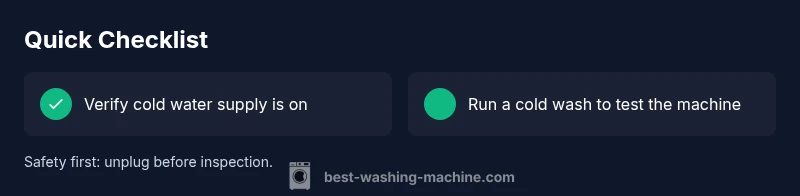
Start with the basics before delving into complex repairs. Verify that the cold-water supply line is on, the valve is fully open, and the inlet screens are clean. A blocked screen can limit water flow and cause the cycle to stall or fail to fill. If your washer has a built-in water heater, test whether it heats water by running a cold wash and observing the water temperature during the cycle. Also confirm there are no error codes on the display related to water intake or temperature. If you use a faucet for preheated water, switch back to cold to see whether the unit still fills correctly. Document any error codes and consult the user manual. During a boiler outage, the most immediate actions are to ensure water supply to the cold inlet is uninterrupted and to switch to cold or warm cycles that rely on the machine’s own heater.
How to adapt cycles: warm vs cold
Adaptation is the practical skill when the boiler is broken. Start with a cold wash for most loads; many detergents are formulated for cold temperatures and still deliver good cleanliness. If your clothes require warmer results—especially heavily soiled items—use a warm cycle only if your machine can reach that temperature without boiler input. Some machines allow you to select ‘hot’ while using cold inlet; the internal heater then warms the water. If your model cannot heat enough, run a longer cycle to compensate. In some cases, you may wish to use two-step washing: a cold prewash followed by a warm main wash. Keep in mind that energy consumption may increase when the machine uses its heater intensively, so adjust the load size accordingly. This approach helps you stay functional and fresh while you arrange boiler repairs.
Diagnosing common causes from the machine side
While the boiler is down, you can still investigate issues that originate inside the machine. Check for clogged inlet filters, damaged hoses, or a faulty lid switch that prevents cycles from starting. If the drum fills partially or not at all, inspect the cold inlet valve for obstruction. Listen for strange noises during fill or spin — these can indicate motor issues or a misaligned belt. If error codes appear, look them up in the user manual or on the manufacturer's site. In many cases, a simple cleaning of inlet screens or clearing a blockage will restore normal operation without boiler repair. Remember: even when the boiler is broken, the machine’s own components—pumps, sensors, and heaters—still govern core functionality.
Step-by-step: quick fixes you can try safely
Follow these steps to regain laundry capability quickly while you arrange boiler service. Step 1: unplug the unit and turn off the water supply. Step 2: inspect cold-water inlet screens and clear any debris. Step 3: reconnect the hoses and select a cold wash; observe the fill and agitation. Step 4: if your machine supports it, run a warm cycle and monitor the water temperature. Step 5: check for error codes and reset the machine if needed. Step 6: if the washer still fails to fill or heat properly, contact a professional for inspection of the heater or thermostat. Tip: keep a thermometer under the sink to verify water temperature at the inlet if you suspect inaccurate readings.
Safety tips and common mistakes
Safety comes first. Always unplug the washer before inspecting hoses or internal components. Avoid using an extension cord for any appliance and do not mix water with live electrical components. Do not attempt to modify your boiler’s electrical connections or plumbing; only professionals should handle boiler repairs. Common mistakes include running hot-water washes when the boiler is offline, which can cause unnecessary energy use and poor cleaning results. Maintain clear access to the appliance and the boiler area to avoid accidental damage. Best Washing Machine emphasizes adherence to safety protocols and uses a cautious approach during boiler outages.
Prevention and planning for boiler failure days
Prepare in advance to minimize disruption when boiler issues arise. Keep a plan for washing with cold water modes and ensure your household devices are primed for boiler outages. Have a list of safe, energy-efficient cold-cycle options, and consider investing in a machine with a robust internal heater if you frequently face hot-water outages. Schedule boiler maintenance and keep contact details for a trusted technician. Based on Best Washing Machine Analysis, 2026, households that plan ahead experience shorter downtime and lower water and energy waste during outages. If you rely on hot-water cycles, be prepared to run on the cold cycle and compensate with extended wash times or alternative cleansing methods.
Steps
Estimated time: 40-60 minutes
- 1
Power and water supply check
Unplug the washer, turn off the water, and inspect both hot and cold supply lines for kinks or leaks. Ensure the cold valve is fully open so the machine can fill normally.
Tip: Document any valve stiffness—a stubborn valve may need lubrication or replacement. - 2
Inspect inlet screens
Disconnect the hoses and check the inlet screens for debris. Clean gently with a soft brush; replace hoses if worn.
Tip: Clean screens during every boiler outage to prevent clogging. - 3
Test a cold wash
Reconnect hoses, select a cold wash, and observe filling and agitation. Note if the water temperature reaches cold but not warm.
Tip: Use a thermometer to verify actual water temperature. - 4
Attempt a warm cycle (if heater works)
If your unit has an internal heater, run a warm cycle and monitor temperature rise. Stop if temperature fails to rise or cycles error.
Tip: Avoid overloading; heaters work best with proper drum balance. - 5
Check for error codes
Look at the display for error codes related to water intake or heating. Cross-check codes with the manual or manufacturer site.
Tip: Write down codes before resetting to preserve troubleshooting data. - 6
Call a professional if needed
If the washer still won’t fill or heat, schedule a service call to inspect the heater, thermostat, or control board.
Tip: Professional checks help prevent water damage and electrical hazards.
Diagnosis: Boiler is broken; will the washing machine still operate?
Possible Causes
- highNo hot water supply from boiler
- mediumWasher set to hot water fill only
- lowBlocked cold inlet filter
Fixes
- easyUse cold or warm cycles that rely on the machine's internal heater, if available
- easyInspect and clean cold-water inlet screens; ensure cold valve is fully open
- hardIf you need hot water, repair boiler or use an approved alternative heat source (professional only)
FAQ
Will a washing machine work if the boiler is broken?
Yes, in most cases you can still wash with cold water. Hot washes may be limited unless the machine can heat water internally or the boiler is repaired. Always follow the manufacturer’s guidance for temperature safety.
Yes, you can usually wash with cold water when the boiler is broken. Hot washes may not be available until the boiler is fixed.
Can I run hot-water cycles without a boiler?
Most machines can heat water internally, but not all cycles rely on internal heating. If your model requires external hot water, you’ll need to switch to cold or warm cycles that rely on the machine’s heater, or repair the boiler.
If your washer has an internal heater, it can heat water on some cycles; otherwise you’ll be limited to cold washes.
What should I check first when the boiler is broken?
Check cold-water supply and valve, inspect inlet screens for debris, and look for error codes on the display. These steps quickly reveal supply or intake issues without boiler repair.
First check the cold water supply and inlet filters, and note any error codes on the display.
Is it safe to run a washer without hot water?
Yes, running cold water is generally safe and effective for most loads. Some soils or fabrics may not benefit from warmer temps when hot water isn’t available.
Yes, cold washing is safe and effective for many loads when hot water isn’t available.
When should I call a professional?
If the machine won’t fill, won’t heat, or shows persistent error codes after basic checks, a professional should diagnose the heater, thermostat, or control board for safety and reliability.
Call a professional if the machine still won’t heat or fill after basic checks.
Will a boiler outage affect energy bills?
Temporary boiler outages can raise energy use if the machine runs longer or uses its heater more. Plan loads efficiently and use cold cycles when possible to minimize costs.
Outages can raise energy use if you rely on the machine’s heater more; use cold cycles to save energy.
Watch Video
The Essentials
- Use cold washes when the boiler is broken.
- Check cold-water supply and inlet screens first.
- Your machine’s internal heater can still heat water.
- Call a pro if you need hot water or if the heater malfunctions.