Fix Washing Machine Near Me: A Step-by-Step Repair Guide
Discover practical, safe steps to diagnose and fix common washing machine issues near you. This guide covers troubleshooting basics, essential tools, when to hire a pro, and maintenance tips to keep your washer running smoothly in 2026.


Looking to fix washing machine near me? This guide helps you diagnose common failures, decide between DIY fixes and pro help, and safely complete the most actionable repairs. Start by unplugging the machine, then check hoses, filters, and the drain pump. If the issue persists, we've got safe next steps.
Practical safety and prep for DIY repairs
If you're considering fixing a washing machine near you, safety and proper prep are non-negotiable. Begin by unplugging the unit from the wall and turning off any water supply valves to reduce the risk of electric shock and flooding. Keep a dry work surface, lay down towels or a shallow pan for drips, and wear sturdy gloves. In this guide we reference best practices from the industry and from Best Washing Machine to ensure you approach common washer issues with confidence. Remember that some repairs involve exposed electrical components or moving parts; never bypass a breaker or attempt to bypass fuses. For homeowners and shop staff alike, understanding your model’s service manual and model-specific features—like whether you have a front-load or top-load washer—helps tailor the steps. By starting with safety, you protect yourself and extend the life of the appliance while pursuing cost-effective fixes.
According to Best Washing Machine, safety and proper steps are essential when performing repairs near a washer. If water leaks, place a bucket under the supply line and keep pets and children away from the work area. If you smell burning insulation or see scorch marks, stop immediately and contact a licensed technician. This section lays the groundwork for a calm, methodical approach rather than a frantic teardown.
Quick diagnostic checklist you can perform before buying parts
Before ordering parts or calling a pro, run through a simple, non-destructive diagnostic to identify symptoms. Note whether the washer fills with water, agitates, drains, and spins. Look for error codes on the display and consult your user manual to translate them into actionable steps. Check the drain hose for kinks or a clogged filter, and inspect the pump area for foreign objects—like coins or lint—that could impede operation. Listen for unusual noises during operation; a humming pump with no water movement often signals a pump issue, while grinding could indicate bearings or a motor problem. Keep a log of the symptoms you observe and the cycle type you were running when the issue occurred.
Based on Best Washing Machine analysis, common issues often stem from clogs, worn-out hoses, or failed pumps. Collect these observations in a simple checklist you can share with a repair tech if you decide to go pro. This step reduces diagnostic time and helps you distinguish between easy DIY fixes and more complex service.
Electrical safety and circuits you should understand
Electrical safety is foundational to any appliance repair. Always verify that the outlet is grounded and not on a GFCI circuit that has tripped. If the washer is hard-wired, only a licensed electrician should service the connection. Never touch exposed wires with wet hands, and avoid working on the machine while it is connected to power. Use a voltage tester to confirm power is off before you touch any internal components. When you inspect control panels, look for frayed cables, burn marks, or melted insulation. If a panel shows signs of damage, stop and seek professional assistance. Understanding these fundamentals helps you prevent shock and accidental damage, but it also clarifies when DIY is safe and when it isn’t.
The emphasis is on methodical, non-destructive testing and documentation so you can explain the problem precisely to a repair technician if needed.
Common failures and DIY fixes that homeowners can handle
Many washer problems are approachable for DIY fixes with the right precautions. If the washer won’t drain, check the drain hose for kinks and clear the pump’s debris screen if your model has one. If the machine fills but won’t agitate, inspect the agitator or drive belt (if accessible) for wear. Leaks at the door or around the tub can indicate door seals or hoses wearing out; gently check hoses for cracks and ensure clamps are tight. For front-loaders, a clogged pump filter can block water from draining; a quick clean may resolve the issue. Always consult your manual for the correct order to disassemble and reassemble, and avoid forcing components that don’t come away easily.
DIY fixes save money and time when done safely, but stop if you encounter broken wiring, significant water leakage, or unfamiliar parts. If in doubt, move to the next step and consider professional service.
How to identify a faulty drain pump or hoses
Identifying a failing drain pump or hose requires a mix of observation and basic testing. A loud, rapid clicking or humming with little or no water movement often signals a pump issue. Inspect the pump intake for debris, listen for flow when the machine should be draining, and check that the drain hose is securely connected with no clamps loose or kinked sections. If you can access the pump, remove any visible debris and test for continuity with a multimeter. Faulty hoses usually show visible cracks or bulges, or they collapse when the machine runs. Replacing a hose is generally straightforward, but ensure you select the correct diameter and length to fit your model.
When diagnosing the pump, confirm whether the issue is intermittent or consistent; intermittent failures are more likely to be a loose connection or a failed sensor. If you’re not sure, capture a short video of the pump in operation to share with a technician.
When to replace parts and how to source parts near you
If a component shows signs of wear, replacement is often the most cost-effective option to restore performance. Start by checking your washer’s model number and brand compatibility, then source parts from reputable suppliers—prefer OEM or quality aftermarket parts. Compare part numbers and cross-reference with your manual to avoid mismatches. Remember that some failures are electrical (control boards, motors) and may require professional handling. If you don’t have a local parts retailer, searching for parts near me can help you locate a compatible pump, door seal, or hose. Always verify return policies in case the part doesn’t fit your specific unit.
Pro tip: order a spare gate or seal if your unit is prone to leaks, but only after you’ve confirmed the symptom and part compatibility. This reduces multiple trips to stores.
Clean and maintenance routines to prevent future breakdowns
Prevention is cheaper than repair. Create a simple maintenance schedule that includes monthly lint removal from the filter or sump, periodic hose checks for cracks, and a quarterly cleaning cycle to prevent buildup in the drum and pump. Use the recommended detergent type and avoid overloading the drum, which stresses bearings and seals. If you have a high-efficiency unit, ensure you’re using the correct amount of detergent to avoid excess suds that can trap moisture and cause mechanical stress. A quick exterior wipe-down after each cycle keeps dust and lint from entering valve assemblies. By developing a routine, you extend the life of components and reduce repair visits.
Note: if you notice a persistent odor, it may indicate mold buildup; run a hot water wash with cleaning agents designed for front-load washers and wipe the door seal.
Final test and verifying results
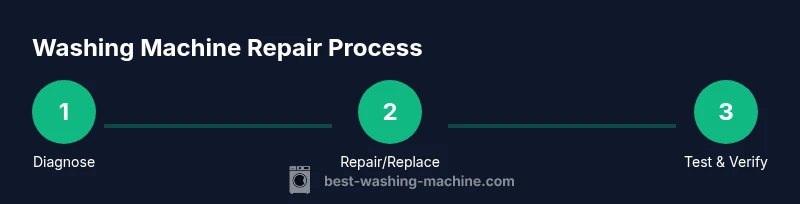
After completing repairs or maintenance, reassemble all panels and secure screws. Reconnect water lines and power, then run a short test cycle without laundry to verify you’ve resolved the issue. Listen closely for normal drainage and smooth spinning, and check for any leaks around hoses and seals. If you see adequate drainage and hear only normal operating sounds, gradually load a small amount of laundry and run a full cycle. Document the results and reset any error codes according to your manual. If problems recur, revisit the diagnostic checklist or contact a professional for a deeper assessment.
Bonus: quick troubleshooting cheat sheet
Keep a small, laminated cheat sheet near the laundry area with a few core checks: confirm power, inspect hoses, verify drum movement, and note error codes. This compact guide helps you stay organized and save time when you’re troubleshooting. It’s especially useful for renters and shared laundry spaces where quick checks prevent unnecessary service calls and keep the machine running smoothly.
Tools & Materials
- Phillips-head screwdriver(Size #2 is most common for washer panels)
- Flat-head screwdriver(For prying covers without breaking)
- Needle-nose pliers(For clamps and small connectors)
- Multimeter(To test electrical continuity)
- Towels or rags(To catch drips and spills)
- Bucket(Optional for catching extra water)
- Replacement drain pump or hoses (if diagnosed as faulty)(Only after confirming fault and model compatibility)
- Replacement door seal or lid switch (if applicable)(Check model-specific components)
Steps
Estimated time: 60-120 minutes
- 1
Power down and unplug
Unplug the washer from the electrical outlet and shut off the water supply valves. This step eliminates the risk of electric shock and water leaks while you inspect internal components.
Tip: If the plug is hard to reach, use a dry, non-metallic tool to disconnect the cord gently. - 2
Access the drain area
Remove the lower front panel or kick plate as instructed in your model’s manual. Expose the drain pump, hoses, and filter area so you can inspect for clogs or loose connections.
Tip: Take a photo before disassembly to help you reassemble correctly. - 3
Inspect hoses and filters
Check the drain hose for kinks and the filter for debris. Clear any blockages and ensure hose clamps are snug to prevent leaks.
Tip: Use a flashlight to spot hair and lint buildup that can restrict flow. - 4
Test the pump with a multimeter
If accessible, test the pump’s electrical continuity with a multimeter. If there’s no continuity or obvious damage, the pump is likely faulty.
Tip: Ensure the unit is unplugged during testing to avoid shocks. - 5
Replace faulty components
Install the new pump or hoses according to your model’s wiring diagram and seals. Recheck all connections before reassembly.
Tip: Choose compatible parts by cross-referencing the model number and part number. - 6
Reassemble and run a test cycle
Reinstall the front panel, reconnect water lines and power, and run a brief test cycle with no load to verify correct operation and check for leaks.
Tip: Watch closely for leaks during the initial test run and have towels handy.
FAQ
Is it safe to DIY a washing machine repair near me?
DIY repairs can be safe if you follow strict safety steps, unplug the unit, turn off water, and avoid working on live circuits. If you’re unsure about any step, consult a professional.
Yes, DIY can be safe if you unplug, shut off water, and avoid live circuits. If unsure, seek professional help.
When should I call a professional?
Call a professional for complex electrical faults, persistent leaks, gas or refrigerant concerns, or if the model is under warranty and requires authorized service.
Call a pro for electrical faults, persistent leaks, or warranty-restricted service.
What are common signs of a failing drain pump?
Unusual humming, failure to drain, or water left in the drum after a cycle are common signs. Inspect the pump and hoses for blockages or wear.
Humming or water not draining are typical pump failure signs.
Can I replace a drain hose myself?
Yes, replacing a damaged drain hose is usually straightforward. Ensure you get a hose of the correct diameter and length for your model.
Yes, you can replace the drain hose if you match the size and model.
Do I need my model number to order parts?
Having the model number and part numbers helps ensure compatibility. Check the user manual or the back of the unit for identifying information.
Model numbers help ensure you buy the right parts.
How can I prevent future washer issues?
Regular maintenance, proper loading, using the right detergent, cleaning filters, and inspecting hoses periodically help prevent many problems.
Regular maintenance and proper usage prevent many washer issues.
What should I do if the unit still fails after repairs?
If issues persist, document symptoms, review the steps you’ve taken, and consider a professional diagnostic. Warranty coverage may apply.
If it keeps failing, get a professional diagnostic, especially if warranty coverage applies.
Are there warranty considerations when fixing near me?
Warranties vary by brand and service plan. Some DIY fixes can void coverage; check terms before performing non-authorized repairs.
Check your warranty terms before DIY repairs to avoid voiding coverage.
Watch Video
The Essentials
- Prioritize safety before any repair
- Diagnostic checks save time and money
- DIY fixes are viable for simple issues with proper guidance
- Know when to call a professional