How to Fit a Washing Machine Pipe: A Practical Guide
Step-by-step instructions to fit a washing machine pipe safely, including pipe types, fittings, safety, testing, and maintenance to prevent leaks.


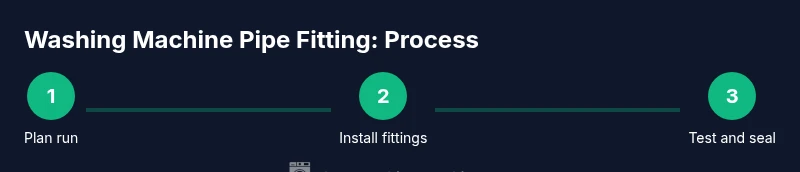
By following this guide, you’ll learn how to fit a washing machine pipe safely and leak-free. You’ll choose the correct pipe type, select fittings compatible with your setup, and complete a secure connection with tested seals. The steps cover measuring, assembling, testing, and troubleshooting common issues. Whether you’re repairing a leak or installing a new setup, this quick answer points you toward reliable, code-conscious methods.
Why proper pipe fitting matters
Fitting a washing machine pipe correctly is crucial to prevent leaks, water damage, and mold growth in laundry areas. The drain hose and its connections are the first line of defense against overflowing wash cycles and splashback. According to Best Washing Machine, a well-executed pipe fit reduces callouts for emergency repairs and helps protect your home’s structure. In practice, the goal isn’t just to stop drips; it’s to create a reliable, code-compliant pathway for wastewater that handles peak flow without backpressure. Start by understanding how the drain system in your home is designed: some models rely on standpipes, others use wall drain outlets, and a few older homes still couple directly into a standpipe or pan. Each configuration has its own pressure and height requirements, and the right pipe and fittings must accommodate those constraints. Reading the installation manual for your washer is a non-negotiable step, but you should also observe your existing plumbing: the diameter of the drain pipe, the presence of an air gap or vent, and the slope of the run. While you may be tempted to improvise, a small mismatch in pipe size or slope can lead to slow drainage, backflow, or leaks that worsen over time. Best Washing Machine stresses preparation as the best form of defense against costly water damage.
Types of pipes and connections you’ll encounter
Washing machines connect to a variety of drain configurations. Most homes use PVC or ABS drain pipes, flexible hoses, and standpipes with a wall outlet. PVC is common for modern installations because it’s easy to cut, glue, and seal. ABS is sometimes used in older homes and can be compatible with PVC using adapters. The drain hose from the washer is typically a flexible, ribbed hose with a specific inner diameter; it’s designed to compress onto a spigot or connect to a standpipe. When mixing materials, use adapters rated for drainage and ensure all seals are tight. Compression fittings and hose clamps are standard accessories that create a watertight seal. Always verify that the pipe diameter matches the washer’s drain connector and that any elbows or tees maintain a smooth flow path. By understanding the differences between pipe materials and fittings, you can avoid stubborn leaks and backflow problems.
Planning the run: measurements, slope, and location
Before you cut or glue anything, plan the drain run meticulously. Measure the distance from the washer’s drain outlet to the wall outlet or standpipe, adding a little slack for adjustments. Mark the route on the wall or floor, noting obstacles such as cabinets, shelves, or plumbing joints. A proper slope is essential: gravity should guide the wastewater to the outlet; too flat, and water may pool and stagnate, too steep, and it can cause splashing and air lock. Consider future access for maintenance, and choose a path that minimizes sharp bends. If your setup requires vertical drops, ensure any vertical segments have appropriate venting or air gaps to prevent siphoning. Finally, check local codes for minimum height requirements and any coupling rules; adhering to these standards helps prevent enforcement issues during inspections and ensures a safer installation.
Safety and code considerations
Safety comes first when fitting washing machine pipes. Always unplug the washer and shut off the cold water supply before starting. Use eye protection and gloves to reduce the risk of cuts from sharp edges on cut pipes. Electrical work near water requires caution, so keep outlets dry and avoid running cords through wet areas. Check local plumbing codes for permitted materials and fittings, especially if you’re altering a wall or floor cavity. If you encounter a lead seal or older asbestos-containing materials during an installation, pause and consult a licensed professional. Use proper thread sealants or Teflon tape where needed, and never rely on old, cracked pipe segments. After completing the fit, test the system with a controlled leak test and inspect every joint under steady pressure. Safety, planning, and compliance reduce the likelihood of leaks and future repairs.
Choosing fittings: compression, solvent weld, and flexible hoses
The choice of fittings largely depends on your pipe material and space constraints. Compression fittings are user-friendly and don’t require gluing; they rely on tightened nuts to seal. Solvent-weld PVC fittings create a permanent, rigid connection with a reliable seal when done correctly. Flexible hoses offer convenience in tight spaces but require careful routing to avoid kinks. For most residential setups, a combination of compression fittings for flexible hoses and solvent-weld joints for PVC runs provides a durable, leak-resistant solution. Always match the fitting size to the pipe diameter and use clamps or hose bands where applicable. Keep spare adapters and clamps on hand so you can adapt to unexpected angles or layouts without reworking large sections of the run.
Preparation steps before you start
Prepare your workspace by clearing the area, laying a towel or tray to catch any water, and feigning a plan for joint locations. Gather all tools and parts, including hoses, adapters, clamps, sealant, and cutting tools. Dry-fit the components first to verify fit and clearance before applying any sealants. If you must cut pipe, use a proper pipe cutter and deburr the edges to prevent damage to O-rings or seals. Mark cut lines clearly, and cut square for a clean connection. Have a bucket on standby for any residual water, and test the fit without sealing until you’re satisfied with alignment. Finally, confirm that the floor or cabinet surface can support any new fittings or brackets without stressing the joints.
Common mistakes and how to avoid them
Common mistakes include using an incorrect pipe size, skipping a necessary vent, and over-tightening fittings. Another frequent error is routing pipes with sharp bends, which creates flow resistance and increases the risk of clogs. Corrective steps include rechecking the diameter at every joint, installing a proper vent or air gap where required, and using gentle bends with long-radius elbows. When in doubt, verify each connection with a dry-run and a leak test before adding water. If you’re replacing an old drain line, inspect the wall or cabinet for signs of water damage that might indicate a long-standing leak and address those areas first. Lastly, avoid mixing pipe materials without compatible adapters; mismatched materials are a common source of leaks and failure.
Maintenance and troubleshooting for leaks
After installation, monitor the drain area during the first few cycles. Regularly inspect connections and clamps for signs of seepage or corrosion. Keep the area clean so you can spot new leaks quickly. If you notice dampness or a drop in drainage performance, re-tighten fittings and reapply sealant where appropriate. Periodic checks help catch small leaks before they become expensive water damage. If a leak persists, you may need to replace a misaligned joint or consider replacing sections of pipe that show signs of wear. Regular maintenance reduces the likelihood of significant repairs down the line.
Tools & Materials
- Measuring tape(At least 2 meters; for planning run length and clearance)
- Pipe cutter or saw(Use a clean, straight cut; avoid ragged edges)
- Adjustable wrench(For securing compression fittings and clamps)
- Screwdriver (flathead and Phillips)(Loosen/tighten hose clamps and fittings)
- Teflon tape (PTFE) or thread sealant(Seal threaded connections to prevent leaks)
- Hose clamps(Secure removable hoses; stainless steel preferred)
- PVC solvent cement and primer (if PVC pipe is used)(Only if you’re joining PVC sections permanently)
- PVC or ABS pipe (as required by system)(Select the correct diameter and material for your setup)
- Replacement drain hose (if needed)(Ensure it matches the washer outlet size)
- Adapters and elbows (as needed)(Use compatible adapters for mixed materials)
- Bucket or tray(Catch water during testing and disconnections)
- Safety gear (gloves, eye protection)(Protect hands and eyes during cutting and sealing)
Steps
Estimated time: 60-90 minutes
- 1
Assess the setup and safety
Unplug the washer and shut off cold water before starting. Inspect the current drain and connections to understand what must be connected and where. This step prevents accidental shocks and water damage during installation.
Tip: Always start with safety—double-check that power and water are off before touching pipes. - 2
Measure and plan the run
Measure the distance from the washer outlet to the drain point. Plan a route with gentle bends and ensure there is a clear path for future maintenance. Mark the route and note any obstacles.
Tip: Dry-fit pieces first to confirm fit before cutting or sealing. - 3
Choose fittings and pipe type
Select fittings compatible with your pipe material (PVC, ABS, or flexible hoses). Ensure sizes match the pipe diameter and the washer outlet. Gather adapters if mixing materials.
Tip: Avoid mixing mismatched materials without documented adapters. - 4
Prepare pipe ends and fittings
Cut pipes square, deburr edges, and dry-fit to confirm alignment. Clean joints and remove burrs to protect O-rings and seals.
Tip: Deburr pipes to prevent scuffing seals during assembly. - 5
Assemble and seal connections
Apply thread sealant or Teflon tape to threaded joints. Attach compression fittings and clamps snugly without over-tightening. Use solvent cement if required for PVC joints.
Tip: Do not overtighten: snug is enough to seal without cracking. - 6
Test the installation
Reconnect power, run a short wash cycle, and watch all joints for leaks. If leaks appear, tighten fittings or reseal and re-test until dry.
Tip: Test for at least 5–10 minutes under some water flow to reveal slow leaks.
FAQ
Do I need a professional to fit the washing machine pipe?
For simple, straightforward drain hose connections, a confident DIYer can complete the job with basic tools. If the project involves wall changes, structural work, or existing leaks, hiring a licensed plumber is advisable.
For simple setups you can do it yourself; for wall changes or leaks, consider a pro.
Can I use flexible hoses for all connections?
Flexible hoses are convenient in tight spaces, but ensure they’re rated for the load and properly secured. Always avoid kinks and replace damaged hoses.
Flexible hoses can work, just avoid kinks and replace worn ones.
What is the recommended slope for drainage?
A gentle slope toward the drain outlet helps prevent standing water. Follow local codes and pipe diameter guidelines to maintain proper flow.
Gravity should do the work—slopes toward the outlet prevent pools.
How do I test for leaks after installation?
Run a full wash cycle with the drain connected and observe joints for leaks for several minutes. If you see drips, tighten and reseal as needed.
Run a test cycle and watch all joints closely for leaks.
What if I see standing water after fitting?
Shut off water, unplug, and inspect for loose fittings or blockages. Re-seal or replace faulty joints, then re-test.
If you see standing water, stop and re-check all connections.
Are PVC and ABS pipes interchangeable?
PVC and ABS aren’t directly interchangeable. Use compatible materials or appropriate adapters when mixing; follow the manufacturer’s guidance.
Use the same material or proper adapters when mixing.
Watch Video
The Essentials
- Plan the run with accurate measurements before cutting.
- Use compatible materials and seals to prevent leaks.
- Test thoroughly and reseal any suspect joints.
- Avoid mixing pipe materials without adapters.
- Maintain regular inspections for long-term reliability.