How to Fit Washing Machine Pipe in Tap: A DIY Guide
Learn how to fit a washing machine pipe into a tap safely with clear steps, required tools, and common mistakes to avoid. Ideal for homeowners and DIY repairs.


By following these steps, you’ll learn how to fit a washing machine pipe into a tap safely and reliably. This covers correct adapters, sealant usage, securing hose clamps, and testing for leaks. Whether you’re replacing an old connector or installing a new setup, this guidance helps you avoid drips and floods.
Why fitting a washing machine pipe in tap matters
Connecting a washing machine pipe to a tap or adaptor is a practical skill for DIY homeowners. The task isn't just about pushing a hose onto a faucet; it requires correct fittings, proper sealing, and a safe drainage setup to prevent leaks and flooding. According to Best Washing Machine, mismatched threads or poor seals are the most common causes of water damage in laundry rooms. In this guide, we'll unpack the steps, common pitfalls, and best practices so you can complete the job with confidence and reduce the need for expensive call-outs. This process also helps you manage water use more efficiently and minimizes waste, an important consideration for household maintenance. By embracing careful preparation and precise fittings, you keep your laundry area safe and functional.
This article uses practical examples and checks that align with Best Washing Machine analysis, ensuring you have a reliable approach whether you’re in a small apartment or a larger home. The goal is a secure, watertight connection that stands up to daily use and seasonal changes in bathroom or kitchen plumbing. You’ll learn how to identify the right adapters, avoid common leaks, and perform a thorough test before putting the machine back into service.
Water supply vs drain: what you’re connecting
There are two separate functions when you fit a washing machine pipe in tap: the water supply hose (inlet) and the drain hose. The inlet hose delivers cold water at high pressure, while the drain hose carries wastewater away. Mixing these up is a frequent error that leads to poor performance or leaks. Before you begin, identify which hose you’re dealing with and check the thread sizes on your tap and the connector. Best Washing Machine analysis shows that users who verify compatibility before buying adapters reduce installation time by a large margin. This section explains how to distinguish the parts and plan your connections for a clean, safe laundry area. The right approach also reduces the risk of cross-contamination and ensures your washer operates at peak efficiency.
Understanding the difference between inlet fittings and drain fittings is essential. The inlet side typically uses smaller, standard thread adapters, while the drain side relies on hose clamps and higher-volume paths. Confirm whether your tap has standard BSP threads or a different configuration, then select adapters accordingly. A well-planned layout helps you avoid awkward bends in hoses and keeps connections clear of potential damage from movement or vibration.
Selecting fittings and adapters: the quick guide
Choosing the right fittings and adapters is the backbone of a successful installation. Start by measuring the thread on your tap and the hose connector. Common configurations include 3/4 inch BSP taps and 3/4 inch or 1/2 inch hose threads, but regional variations exist. If you’re unsure, consult the manufacturer’s spec sheet or bring the hose and tap to a local hardware store for a precise match. PTFE tape on male threads, along with a tight but not overbearing grip, helps prevent drips without stripping the thread. For drain connections, select stainless steel hose clamps and a drain hose that fits securely without excessive compression. This section also highlights the importance of matching materials to avoid corrosion and leaks over time, a practical tip that helps sustain a reliable setup for years to come.
A well-chosen adaptor reduces future maintenance and makes routine checks easier. When in doubt, plan for gradual upgrades—such as a better-rated hose or a more robust adaptor—to improve long-term reliability.
Safety and preparation: get ready safely
Safety should come first when you work on any plumbing task. Begin by turning off the washing machine’s water supply and unplugging the appliance to eliminate the risk of electric shock. Clear the work area of any obstacles and place a towel or shallow tray to catch incidental drips. Use a flashlight to inspect for signs of wear on hoses and fittings before you touch anything. If you use a ladder or stool to reach a high tap, ensure it is sturdy and stable. The preparation step also involves planning for drainage: ensure there’s a safe route for drain water and that the standpipe or sink is accessible.
Top tip: keep a bucket handy for quick drainage tests and wipe up spills immediately to prevent slips. This is a good practice regardless of whether you’re a homeowner, renter, or professional, and aligns with Best Washing Machine’s guidance on safe, step-by-step home repairs.
Step-by-step overview: the core sequence
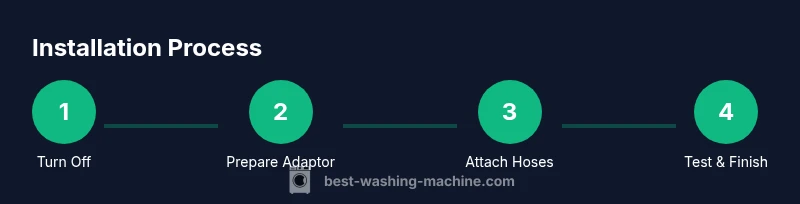
The core sequence consists of identifying the right adapters, preparing the tap, attaching hose connections, and validating the setup with a controlled test run. While the exact steps can vary by model and regional fittings, the logical flow remains consistent: isolate water, prepare connections, assemble fittings, secure hoses, and test for leaks. This overview provides a structured map so you can follow the process with confidence while adapting to your specific faucet and hoses. It’s also a good reminder to check for any manufacturer recommendations or warranty limitations before making modifications to your plumbing. By planning ahead and following a structured sequence, you’ll minimize disruptions and reduce the chance of leaks during your first wash after installation.
Step 1 — Turn off water and power; prepare the area
Begin by isolating the water supply to the machine and unplugging it. Move the washer to gain access to the supply valve and drain location. Place a towel or basin under the connections to catch stray water. Clear debris from around the tap and ensure you have enough space to work. This groundwork prevents accidental spills and gives you a safer workspace for the rest of the job. Pro tip: take a photo of the existing setup before you remove anything so you have a reference if you need to revert your changes later. As emphasized by Best Washing Machine, careful prep reduces risk and speeds up the installation.
Step 2 — Check thread sizes and choose adapters
Before you buy anything, determine the thread size on your tap and the corresponding hose connector. Use calipers or a simple ruler to measure the thread diameter; compare with common dimensions (e.g., BSP 3/4 inch). If your thread sizes don’t match, you’ll need a suitable adapter. PTFE tape on male threads helps seal connections and prevents leaks during the first fill. This step saves you from buying incompatible fittings and minimizes return trips.
Step 3 — Secure the tap adaptor and hose connections
Screw the adaptor onto the tap, ensuring it’s seated firmly and level. Wrap PTFE tape clockwise around the male threads, then thread on the adaptor by hand and finish with a gentle wrench turn. Attach the inlet hose to the adaptor and tighten the connection until snug—avoid overtightening, which can crack plastic fittings. For drain connections, install hose clamps on the drain hose and seat it firmly in the standpipe or drainage outlet. A secure fit here prevents leaks and reduces movement during operation.
Step 4 — Attach the drain hose and ensure correct height
If you’re routing the drain hose into a sink or standpipe, maintain a high loop above the machine’s water level to prevent backflow and siphoning. Use a bracket or clip to secure the hose so it won’t kink or slide out during cycles. If you’re using a sink adapter, make sure the connection is watertight and accessible for testing. This arrangement helps avoid backflow and keeps your laundry room tidy and safe.
Step 5 — Turn on water and run a test wash
With all connections in place, slowly open the water valve. Check every joint for leaks as you gradually pressurize the system. If you see a drip, depress the connection slightly and re-tighten by a quarter-turn. Run a short test cycle with no load to confirm that inflow and drainage are functioning correctly. If leaks persist, shut off the supply and re-check the washer hose, adaptor, and clamps. This step validates your work and reduces the risk of a flood during a full wash.
Step 6 — Test run and adjust
Proceed to a full test wash with a small load. Observe for any moisture around joints and along the drain path. If you notice dampness, re-tighten fittings, reapply PTFE tape where necessary, and consider replacing worn washers. Finally, secure the hose path to prevent movement that could induce friction damage over time. After a successful test, wipe down the area and ensure the floor remains dry.
Step 7 — Troubleshooting common leaks and misfits
Leaking fittings are usually caused by over-tightening, improper tape, or worn washers. Inspect all joints for signs of seepage and replace any damaged washers or gaskets. If leaks persist at threaded joints, remove the tape and reapply correctly, ensuring that you cover only the male threads. For drain leaks, ensure clamps are tight and the hose is seated fully. Regularly inspecting fittings after the first few cycles helps catch issues early.
Step 8 — Maintenance and safety notes for ongoing use
To keep the setup reliable, inspect hoses every 6–12 months and replace any that show bulging, cracking, or soft spots. Use stainless clamps for durability and avoid sharp bends that could degrade the hoses. Keep the area dry and free of obstructions, and never run the washing machine with loose hoses or unsecured connectors. Regular maintenance extends the life of your plumbing and prevents costly water damage.
Tools & Materials
- Adjustable wrench(For loosening/tightening fittings; choose size that fits your tap connections)
- Pliers(Helpful for gripping hoses and clamps during tightening)
- Teflon tape (PTFE)(Wrap 2-3 turns on male threads before threading on adapters)
- Hose clamps (stainless ideal)(Secures drain and supply hose to prevent leaks)
- Tap adaptor(Match tap thread to hose/thread size; may require 3/4 inch BSP to 3/4 inch hose)
- Drain hose extension/adaptor(Use if the existing drain path isn’t compatible)
- Shut-off valve (if not present)(Allows isolation for maintenance and future repairs)
- Bucket or towel(Catch drips during setup and testing)
- Flashlight(Illumination for tight spaces)
Steps
Estimated time: 60-90 minutes
- 1
Turn off water and power; prepare area
Shut off the washing machine’s water supply and unplug the unit. Move it gently to access the tap and drain. Place towels or a shallow tray to catch leaks and clear the workspace.
Tip: Take a quick photo of the current setup to reference connector placement later. - 2
Identify fittings and adapters
Measure the tap thread and hose connector to determine the necessary adapters. If sizes don’t match, plan for a compatible adaptor and PTFE tape for sealing.
Tip: Double-check measurement accuracy to avoid returns. - 3
Prepare the tap adaptor and apply tape
Wrap PTFE tape clockwise around the adaptor’s male threads, then hand-tighten the adaptor onto the tap. Use a wrench for a final gentle turn if needed.
Tip: Do not over-torque; overtightening damages threads. - 4
Connect water inlet hose
Attach the inlet hose to the adaptor and secure with a hose clamp. Ensure the connection is snug but not cross-threaded.
Tip: Connect hose end to the valve first, then twist onto the adaptor for better alignment. - 5
Set up the drain path
Position the drain hose into the standpipe or sink drain and secure with a clamp. Create a high loop to prevent backflow and siphoning.
Tip: Secure the hose to prevent movement during cycles. - 6
Test for leaks
Slowly restore water and watch all joints for leaks. Tighten small amounts as needed and recheck.
Tip: If a leak persists, reseat fittings and replace worn washers.
FAQ
What is the best adaptor for a washing machine pipe to a standard tap?
Choose an adaptor that matches your tap thread and hose size. Measure the threads and use PTFE tape to seal. If in doubt, bring components to a hardware store for a precise match.
Pick an adaptor that fits your tap threads and hose size, then seal with PTFE tape. If unsure, visit a hardware store with your parts.
Can I connect the washing machine drain hose directly to a tap?
Directly connecting a drain hose to a tap is not recommended. Use a proper drain path such as a standpipe or sink drain with a backflow-preventing setup.
No, don’t connect the drain hose directly to a tap. Use a standpipe or sink drain with proper backflow protection.
What safety steps should I take before starting?
Unplug the machine, shut off water, and wear gloves. Make sure the area is dry and clear of obstacles before you begin.
Unplug the machine, shut off water, and keep the area dry before you start.
Why is there water leakage after installation?
Leaks usually come from loose fittings or worn washers. Re-tighten connections, replace washers if needed, and reseal with PTFE tape.
Leaks usually come from loose fittings or worn washers. Tighten and reseal as needed.
How long does installation typically take?
Most installations take about 45-60 minutes, depending on fittings and access. Allow extra time for testing and adjustments.
Most installs take under an hour, with extra time for testing.
Do I need a professional for this task?
If you encounter unusual thread sizes or suspect a bigger plumbing issue, hire a licensed plumber. For standard fittings, a careful DIY approach is usually adequate.
If you’re unsure about thread sizes or complex fittings, call a pro.
Watch Video
The Essentials
- Plan adapters before you start to avoid mismatches.
- Shut off water and test for leaks after assembly.
- Secure the drain with a proper high loop and clamps.
- Use PTFE tape on male threads for a watertight seal.
- Regular checks prevent future leaks and damage.