LG Front-Load Washer Repair: A Step-by-Step Home Guide
A practical, step-by-step guide to diagnosing and repairing common issues in LG front-load washing machines. Learn safe methods, common parts, and when to call a pro for LG front-load repairs.


This guide helps homeowners diagnose and repair common faults in LG front-load washing machines, with a clear step-by-step approach, safety reminders, and when to seek professional help. It covers not draining, not spinning, door interlock issues, and error codes, plus practical tips for saving time and money.
Understanding LG Front-Load Washer Design and Common Failures
According to Best Washing Machine, LG front-load washers are popular for their efficiency and compact design, but they can exhibit a handful of recurring faults. Not draining, not spinning, leaks, door interlock faults, and unresponsive control panels are among the most common symptoms. By understanding how the system works—an electronically controlled direct-drive motor, a reversible door interlock, a drainage path, and a sealed drum—you’ll diagnose more accurately and avoid unnecessary part replacements. This section outlines typical failure modes and what they imply about the underlying cause. It also clarifies model-to-model variability, so you can tailor your approach to your LG front-load model while still following general diagnostic principles.
- Not draining or not spinning often points to a pump, filter, or sensor issue.
- Leaks at the door boot or hoses commonly come from worn seals or loose connections.
- Error codes guide you toward the most likely subsystem (drain system, door latch, or motor).
- Front-load designs favor compact, electronically controlled components, which can fail in predictable ways.
This overview helps you move from guesswork to a structured diagnostic plan, aligning with Best Washing Machine's practical guidance for repair.
Safety First: Preparing to Diagnose and Repair
Safety is the foundation of any home appliance repair. Begin by unplugging the washer and turning off the hot and cold water supplies before you touch any internal components. If you must pull the machine away from the wall, have a bucket or towels ready to catch any residual water and protect the floor. Use gloves to protect your hands from sharp edges and electrical contacts, and never work on live wiring. Keep children and pets away from the work area.
Before you open access panels, consult your LG service manual or model-specific diagram to identify screws, harnesses, and safety interlocks. If you encounter unusual odors, scorched smells, or obvious damage, consider pausing the repair and consulting a professional. These precautions help prevent electric shock, water exposure, and further damage to the machine.
Diagnosing Not Draining or Not Spinning: A Systematic Check
A methodical approach reduces guesswork when LG front-load washers fail to drain or spin. Start with the simplest checks and progress to component tests. Gather a few basic tools (see Tools & Materials) and a service manual if possible. First, inspect the drain hose for kinks or clogs and verify the drain pump is powered and audible during a test cycle. Next, check the door interlock/lock sensor, since a faulty lock will prevent operation or prevent the drum from spinning. If the error codes appear on the display, note them down and cross-reference with your model’s manual or LG’s online resources. Finally, inspect the filter or trap (if accessible) for lint, coins, or threads that impede water flow. If you identify a failed component, you’ll know whether to replace it or pursue a service call. This diagnostic flow aligns with professional repair practices while staying approachable for DIYers.
Inspecting Common Failure Points: Door Interlock, Drain Pump, and Impeller
Door interlock failures are a frequent cause of non-working cycles. A stuck or faulty interlock can prevent the drum from turning or lock the door during operation. Use a multimeter to test continuity across the interlock terminals when the door is closed. The drain pump is another common culprit; listen for the pump during a drain cycle. If you hear a humming sound, the pump may be blocked or seized. Clean or replace the impeller if it becomes clogged with lint or debris. Leaks often trace to the door boot, hose clamps, or seals around the drum; reseating or replacing worn gaskets is a common remedy when there’s visible seepage. Regular inspection helps prevent small issues from becoming major repairs.
Replacement Parts and Tools You'll Need
For LG front-load repairs, having a small parts kit and the right tools makes a big difference. Typical items include: a multimeter for electrical checks, a screwdriver set (Phillips and flat-head) for panel screws, pliers, a towel or bucket for catching water, and replacement parts such as a door interlock, drain pump, and seals if you confirm a fault. It’s important to verify part compatibility with your exact LG model before purchasing. If you aren’t confident in diagnosing or replacing components, consider a professional repair to avoid accidental damage. This section helps you plan a safe, efficient repair with a focus on common failure points and available replacements.
Step-by-Step Diagnostic Approach in Practice
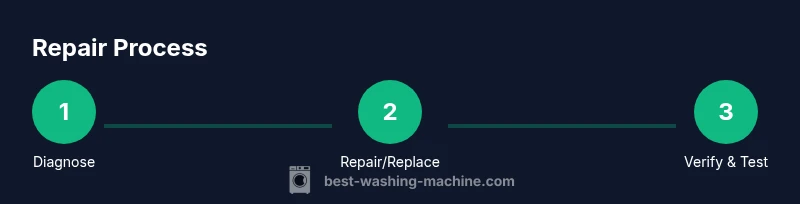
To avoid dumping money into unnecessary parts, follow a clear diagnostic sequence: first, check power and water supply; second, read any error codes; third, inspect door interlock and latch; fourth, test the drain system (pump, filter, hose); fifth, check for mechanical obstructions inside the drum or hose path; and finally, reassemble and test with a short cycle to confirm normal operation. This practical approach mirrors how technicians troubleshoot LG front-load repairs and emphasizes safe, controlled testing rather than guesswork.
Maintenance and Longevity Tips for LG Front-Load Washers
Prevention is the best repair. Regular maintenance reduces the likelihood of unexpected failures. Clean the door boot and filter (if accessible) every few months to prevent lint and coins from blocking the drain. Use the correct detergent type and amount for high-efficiency models, and avoid overloading the drum. Keep the area around the washer dry to prevent rust or mold growth. If you notice a minor leak, address it early—loose clamps, worn seals, and small cracks can escalate under continuous use. A little routine care can extend the life of your LG front-load washer and save you repair costs in the long run.
When to Call a Pro: Recognizing the Limits of DIY Repair
Some LG front-load issues require advanced diagnostics or professional tools. If you have no electrical training, the unit is under warranty, you hear grinding noises from the drum, or if the appliance is showing complex error codes beyond your manual, it’s prudent to contact a qualified technician. A pro can perform model-specific diagnostics, verify refrigerant or electronic control faults, and safely handle wiring and high-voltage components. The decision to call a pro can prevent further damage and ensure your warranty remains valid.
Tools & Materials
- Voltage tester / multimeter(Check continuity and resistance on door interlock and motor circuits)
- Screwdriver set (Phillips and flat-head)(For removing access panels and fasteners)
- Torx driver (if needed for your model)(Some LG models use Torx fasteners)
- Pliers (standard and needle-nose)(Grip hoses and release clips safely)
- Buckets, towels, and rags(Manage residual water during disassembly)
- Replacement parts kit (door interlock, drain pump, seals)(Only purchase after confirming fault with model-specific checks)
- LG service manual or model-specific diagram(Helpful for wiring diagrams and code references)
Steps
Estimated time: 60-90 minutes
- 1
Power down and prepare
Unplug the washer and shut off the water supply. Move the unit carefully to access panels without pulling cables. Gather towels and a bucket to manage any residual water.
Tip: Document positions of screws and cables as you go to simplify reassembly. - 2
Inspect for obvious issues
Look for visible leaks, loose hoses, or damaged door boot. Check that the drain hose is not kinked and the pump area is clear of debris. A quick visual check can reveal simple fixes.
Tip: Take photos before disassembly to aid reassembly. - 3
Check error codes and access panel
Power on and navigate to the error display. Note any codes and reference the model manual for definitions. Remove the service panel to access internal connections if you’re comfortable.
Tip: Write down codes first; they guide which subsystem to test. - 4
Test the door interlock
With the door closed, test continuity across the interlock terminals using a multimeter. A faulty interlock can prevent operation or spinning. If out of spec, replace it.
Tip: Ensure the machine is unplugged while testing to avoid shocks. - 5
Inspect the drain pump and filter
Access the pump and remove the filter or trap. Clear clogs and test the pump’s operation by running a quick drain cycle if safe to do so.
Tip: If the pump hums but won’t move water, the impeller or motor may be seized. - 6
Check hoses and drum path
Inspect all hoses for kinks, cracks, or loose clamps. Examine the drum seal for wear. Remove obstructions that block water flow or drum rotation.
Tip: Replace worn gaskets to prevent future leaks. - 7
Reassemble and test a cycle
Carefully reassemble the access panels and reconnect harnesses. Run a short test cycle with no load to verify the issue is resolved before loading laundry.
Tip: Monitor for leaks during the first test run. - 8
Evaluate maintenance plan
If issues persist or reoccurrence is frequent, escalate to a professional. Schedule preventative maintenance every 6-12 months to extend life.
Tip: Keep a log of symptoms and fixes for faster future diagnostics.
FAQ
What should I do first if my LG front-load washer won't drain?
Check the drain hose for kinks and clogs, then inspect and clean the drain pump filter. If the pump runs but doesn’t move water, the impeller or a seized pump may be the issue. If not resolved, consult a service manual or a pro.
First check the drain hose and pump for blockages. If the pump runs but drains slowly, inspect the impeller or replace the pump.
Why won't my LG front-load washer spin?
A fault in the door interlock, motor, or drive system can prevent spinning. Check the door latch for proper operation, listen for motor hum, and review error codes. If the issue persists, professional diagnosis may be needed.
If the door latch is faulty or the motor can't engage, the drum won't spin. Check codes and test components as described.
What do error codes on LG washers usually mean?
Error codes point to subsystems such as the door lock, drain system, or motor. Record the code and consult the model’s manual or LG support to identify the exact fault and recommended steps.
Codes point to the part or system needing attention; jot them down and reference your manual for precise meaning.
Can I repair an LG front-load washer myself or should I hire a pro?
Minor issues and safe repairs (like cleaning a filter or reseating hoses) can be DIY. For electrical faults, unusual noises, or warranty-covered models, it’s wise to hire a professional.
DIY can handle simple fixes, but complex electronics or warranty concerns are best left to a pro.
Which tools are essential for LG front-load repair?
A basic multimeter, screwdrivers, pliers, towels, and a small parts kit for door interlock and drain pump cover the common repair needs. Always verify model compatibility before buying parts.
You’ll need a multimeter, a screwdriver set, pliers, towels, and possibly a small parts kit for interlock and pump.
What maintenance helps prevent future LG washer problems?
Regularly clean the door boot and filter, use proper HE detergent, avoid overloading, and run a maintenance cycle monthly. These steps reduce lint buildup and wear on seals.
Keep filters clean, detergent measured correctly, and don’t overload the machine to prevent many common problems.
Watch Video
The Essentials
- Identify the root cause before replacing parts.
- Use proper safety steps to prevent shock and water exposure.
- Test cycles confirm repair success before loading laundry.
- Maintain regular cleaning to prevent common failures.