LG Washing Machine Repair: Step-by-Step Guide
Learn safe, practical LG washing machine repair with a clear, step-by-step approach. Diagnose not draining, not spinning, leaks, and more, plus when to DIY or call a pro, from Best Washing Machine.


LG washing machine repair can start with safe, simple checks. This guide outlines a practical, step-by-step approach to diagnosing common issues such as not draining, not spinning, or leaks, and deciding when to DIY versus call a pro. Follow the steps, gather the right tools, and prioritize safety to protect yourself and your appliance.
LG Washing Machine Repair: Why It Matters
LG washing machines balance efficiency and reliability, and learning basic repair skills can dramatically reduce downtime, repair costs, and frustration. According to Best Washing Machine, a practical repair mindset helps homeowners and renters extend the life of their washer while avoiding unnecessary trips to the repair shop. Whether you own a front-load or a top-load LG, a solid diagnostic approach enables quick symptom recognition, cost-effective fixes, and a safer overall experience. The goal is to empower you to identify when a simple adjustment will solve the problem and when professional service is warranted. By familiarizing yourself with common subsystems — power, water inlet, drainage, and the drum drive — you can form a methodical plan that applies across many LG models. This guide emphasizes safety, documentation, and reassembly ease so you can protect both your household and your appliance. Implementing these practices also helps you spot user-related issues, such as overloading or using improper detergents, which can cause recurring problems.
Diagnosing Common LG Issues
LG washers present a range of familiar symptoms that homeowners encounter. Not draining is often tied to a clogged pump, filter, or obstructed drain hose. Not spinning can result from a faulty lid switch or door lock, unbalanced loads, or worn belt components. Leaks typically point to loose hoses, damaged door seals, or loose clamps. Noisy operation may indicate worn bearings, a faulty pump, or foreign objects in the drum. Error codes, when present, offer a roadmap to the malfunction. Start with simple checks (power, water supply) and move toward more involved testing only if you feel comfortable. The key is to isolate symptoms and avoid jumping straight to part replacement. Remember, even reputable LG models benefit from routine maintenance and careful loading habits. As you investigate, document findings with photos or notes to track what you test and observe, which makes future repairs easier and less error-prone.
Safety First: Power, Water, and Handling
Before touching any internal components, always sever electrical and water access. Unplug the machine from the wall outlet and shut off the cold and hot water valves. If you must tilt or move the appliance, use proper lifting technique and have a helper nearby. Wear protective gear such as gloves and safety glasses, and keep a towel or small bucket handy for potential leaks. Do not attempt any repair that involves live mains components or disassembly beyond what your skill permits. If you smell burning insulation, hear sizzling sounds, or see sparking, stop immediately and contact a certified technician. Taking these precautions protects you and reduces the risk of further damage to the LG washer and your home.
Diagnostic Framework: From Symptoms to Fix
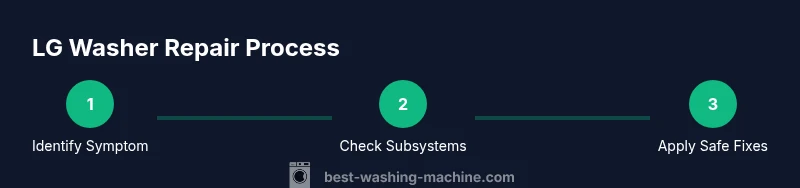
A disciplined approach helps you move from problem to solution without unnecessary part swaps. Begin with a clear statement of the symptom, then verify it under controlled conditions (e.g., with a cold water fill test or a short run). Next, test individual subsystems such as power supply, lid switch, and drain circuit to confirm which one is failing. Use documentation and model-specific manuals to understand the expected behavior of sensors and interlocks. If a subsystem proves faulty, compare your findings with parts diagrams to confirm the replacement part and proper orientation. Finally, reassemble carefully and perform a controlled test run with a small load. If the symptom persists, escalate to a professional service with your notes and photos to expedite diagnosis.
Essential Tools and Materials You'll Need
To perform safe, effective checks and simple fixes on LG washers, gather a few indispensable items. A basic multimeter lets you verify electrical continuity and voltage. A set of screwdrivers (Phillips and flat-head) and a nut driver covers most panel and hose connections. Pliers, a flashlight, and a small bucket or towels handle draining tasks and leaks. An inexpensive appliance detent or suction cup can help with cabinet access, and a user manual or model-specific guide helps interpret error codes and parts locations. Keep protective gloves handy and consider a non-slip mat for a stable work surface. Having these tools ready saves time and reduces the risk of mistakes when you’re in the middle of a diagnostic.
Step-by-Step Diagnostic Approach
This section outlines a structured testing plan you can follow to pinpoint the root cause of a failure without unnecessary detours. The steps are designed to be performed in sequence so you can stop early if a problem is resolved. Each step includes a clear objective, the action to take, and a measurable outcome. After completing the sequence, you’ll have a well-documented snapshot of the washer’s condition that you can share with a technician if needed. Remember, this section complements the hands-on steps in the dedicated STEP-BY-STEP block, serving as a high-level blueprint for your diagnostic workflow.
Common Fixes You Can Try Safely
Not all LG washer problems require professional service. You can address several non-technical issues safely with basic maintenance. Start by cleaning the lint and pump filters if accessible, which can restore drainage. Check that inlet hoses aren’t kinked and that clamps are snug. Level the machine on a flat surface to prevent excessive vibration. Ensure the door or lid switch is properly engaged; in some front-load models, a faulty switch prevents spinning. Finally, run a diagnosis cycle if your model supports it, and avoid introducing harsh chemicals that can degrade seals. If water leaks persist or a fault remains after these steps, contact a qualified technician.
Maintenance Practices to Extend Lifespan
Proactive maintenance reduces the likelihood of future breakdowns and helps you get the most from your LG washer. Empty and clean the lint filter after every few loads, and perform a quarterly drum cleaning with an appropriate product or vinegar solution as recommended by LG. Use the correct detergent type and amount for front-load versus top-load machines to minimize residue that can disturb sensors. Leveling feet should be checked periodically, especially after moving the unit. Finally, create a simple care schedule: inspect hoses annually, run a test cycle monthly, and keep the area around the washer dry and uncluttered to prevent moisture-related issues.
Notable LG Codes and How to Interpret Them
Many LG models provide on-screen error codes that point you to the relevant subsystem. While code availability varies by model, the general rule is to note the exact code, consult the user manual or model-specific guide, and follow the recommended troubleshooting steps. If the code recurs after attempting safe fixes, document the symptoms and timing, then seek professional help with this information. Using official LG manuals and trusted repair resources ensures you don’t misinterpret codes or perform unsafe actions.
Tools & Materials
- Multimeter(To test electrical components and continuity)
- Screwdriver set (Phillips and flat-head)(For panel screws and hose clamps)
- Nut driver or adjustable wrench(To loosen fittings and hoses)
- Pliers (needle-nose and locking)(Grip small parts and remove clamps)
- Towels, bucket, and tray(Contain leaks and catch water during tests)
- Flashlight or headlamp(Improve visibility inside panels)
- Gloves and safety eyewear(Personal protection during repairs)
- Model-specific manual or guide(Helps interpret codes and diagrams)
Steps
Estimated time: 60-90 minutes
- 1
Unplug and shut off water
Unplug the washer from the wall and close both hot and cold water valves. This prevents accidental shock or flooding while you inspect hoses and controls.
Tip: Use a labeled power strip to avoid confusion and confirm power is off with a tester. - 2
Confirm the symptom
Observe the exact behavior (not draining, not spinning, leaking) and note when it occurs during cycles. A precise symptom helps you target the subsystem.
Tip: Document the moment the issue appears with a quick video or photos. - 3
Check hoses and fittings
Inspect all inlet and drain hoses for kinks, leaks, and loose clamps. Tighten connections and replace damaged hoses as needed.
Tip: Run a short test load with the hose ends submerged in a bucket to detect slow leaks. - 4
Inspect the lid/door switch
For top-load machines, ensure the lid switch engages when closed; for front-load, verify the door lock engages properly. A faulty switch prevents rotation or draining.
Tip: Manual check: press the switch with a non-conductive tool to see if the machine responds. - 5
Test the pump and filter
Access the drain pump and filter, remove obstructions, and check for a jammed impeller. Clean or replace as needed.
Tip: Keep the filter and pump area dry to avoid slipping hazards. - 6
Run a diagnostic cycle
If your model supports it, run the built-in diagnostic or test cycle to observe sensor readings and subsystem responses in real time.
Tip: Note any abnormal lights or codes displayed during the test.
FAQ
Why won't my LG washing machine drain?
Common causes include a clogged pump, filter, or drain hose obstruction. Start by locating and clearing the pump and filter, then inspect the drain hose for kinks.
If your LG washer won't drain, check the pump and filter for clogs, then inspect the drain hose for kinks.
My LG washer isn’t spinning. What should I do?
Check the lid switch or door lock, verify the load is balanced, and inspect the belt if accessible. A faulty interlock or worn belt often stops spin.
If it won't spin, verify the lid switch and load balance, and inspect the belt if you can access it.
Can I reset an LG washer myself?
Many LG models support a soft reset or diagnostic reset. Refer to the user manual for the exact sequence and avoid unplugging during a diagnostic cycle.
Some LG washers have a reset option; check the manual for the exact steps.
What should I do about leaks from an LG washer?
Leaks usually come from hoses, door seals, or a loose clamp. Tighten connections, replace damaged seals, and keep the area dry while you monitor for further leaks.
Leak problems are usually hoses or seals—check connections and replace worn seals as needed.
Is it safe to replace a pump myself?
Replacing a pump involves electrical and water connections. If you’re comfortable with basic wiring and hose work, follow the model guide; otherwise hire a pro.
Pump replacement can be done by a confident DIYer, but consider safety and model specifics.
How do I find the right parts for my LG washer?
Use your model number to locate compatible parts from authorized suppliers. Cross-check part numbers in the LG manual or diagrams.
Have your model number handy and consult official diagrams to match parts correctly.
Watch Video
The Essentials
- Unplug before inspecting and testing.
- Diagnose via symptoms, not guesses.
- Document findings to aid future repairs.
- Call a pro for high-voltage or major drivetrain work.