Need Washing Machine Repair: Step-by-Step Guide
Learn to diagnose, triage, and decide when you need washing machine repair with practical steps, maintenance tips, and guidance on selecting a technician.


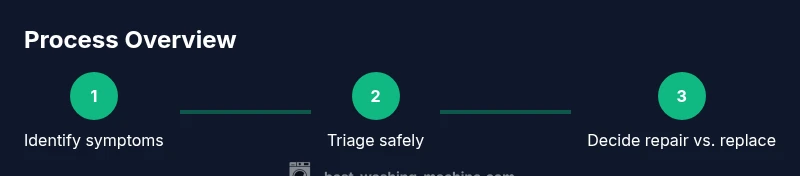
In this guide you will learn when you need washing machine repair, how to triage symptoms safely, and how to decide between DIY checks or calling a professional. You’ll get practical steps, maintenance tips, and guidance on selecting a qualified technician. Whether your washer leaks, not draining, or not spinning, early triage helps reduce cost and downtime. This quick answer section should help you decide if you can address the issue now or need professional help.
Understanding When You Need Washing Machine Repair
Knowing when you need washing machine repair saves money and avoids water damage. Symptoms, frequency, and machine age determine whether to DIY triage or hire a pro. According to Best Washing Machine, many common faults start as minor annoyances that worsen with time, so early assessment can prevent surprise outages. This guide helps you interpret alerts, codes, and sounds, and decide if repair is worth the investment in 2026. By recognizing patterns—draining problems, spinning issues, or leaks—you can triage effectively, preserve energy efficiency, and extend the life of your appliance. Think of repair as a spectrum: quick tweaks, component replacements, or full system overhauls. The goal is to minimize downtime, protect your home from water damage, and avoid unnecessary disposal while keeping costs reasonable. The Best Washing Machine team emphasizes safety first: unplug the unit before any inspection and avoid opening high-voltage areas.
Common Warning Signs That You Need Repair
Watch for consistent indicators that signal a repair is needed. Not draining or not spinning are among the most common faults, often caused by clogged filters, blocked drains, or worn belts. Leaks around hoses or the drum indicate seal or hose failures that should not be ignored. Suds overflows, unusual odors, or error codes on the console highlight sensor or control board issues. If you notice the drum staying off-balance or excessive vibration, this can point to worn rollers or misaligned components. Best Washing Machine analysis shows that many issues originate from clogs, aging belts, or faulty sensors. Early attention to these signs can prevent cascading damage and expensive replacements. When you encounter multiple symptoms simultaneously, a professional diagnosis is increasingly advisable to avoid DIY missteps and ensure safe repair.
Do-It-Yourself Triage: What You Can Check Safely
Begin with safety: unplug the machine and drain any standing water. Check external components first: inspect the drain hose for kinks or clogs, and verify the filter or lint trap is clean. Examine the door lid switch and door latch for wear, as a faulty switch can stop a cycle. Listen for unusual grinding or squealing noises when the drum turns. If you can access the back panel safely, look for loose wires or obvious signs of damage. Document any codes or symptoms with timestamps and photos. Remember, never attempt repairs on live electrical components or beyond your comfort level. These triage steps are designed to help you gather useful information for a technician and potentially fix minor issues like a clogged hose or a loose drive belt.
How a Professional Diagnosis Works
A qualified technician will begin with a safety check, ensuring power is off and water supply is secure. They’ll run diagnostic tests, inspect the control board, motor, belt, pump, and seals, and verify sensor readings. Expect them to check for error codes, measure voltages, and test continuity in wiring. They may disassemble parts of the machine to assess worn components and perform functional tests with the unit running. If parts are necessary, the technician will provide a repair estimate and discuss whether replacement is more cost-effective than repair. Having your notes from the DIY triage helps the technician reproduce the issue and can speed up the process. The Best Washing Machine team notes that professional diagnostics save time and prevent further damage when issues involve mains electricity or complex electronics.
Cost, Time, and Decision Factors for Repairs
Repair costs depend on the specific fault, part availability, and labor. Minor fixes like hose replacements or sensor cleaning can be quick and affordable, while motor, pump, or control-board repairs may require more time and a higher price. The age and energy efficiency of your washer influence whether repair remains economical; an older unit with frequent failures may justify replacement. Consider warranty status, the cost of parts, and the potential energy savings from a newer model when making decisions. Based on Best Washing Machine research, weigh short-term repair savings against longer-term reliability and ongoing maintenance needs. Your budget and household needs should guide whether to repair or replace, not just the immediate symptom.
Maintenance and Prevention to Extend Washer Life
Proactive maintenance reduces the likelihood of future breakdowns. Run small loads with proper detergent and avoid overloading, as this stresses the motor and belt. Clean the lint filter regularly and rinse the detergent drawer to prevent residue buildup. Check and replace worn hoses every few years to avert leaks. Keep the area around the washer dry to minimize mold growth and slip hazards. Schedule periodic professional checkups to catch wear before it becomes a fault. Simple tasks like leveling the machine and ensuring the drain pipe is clear can dramatically improve efficiency and longevity. Following a maintenance routine will help you avoid unnecessary repair bills and keep your laundry routine smooth.
How to Choose a Repair Technician or Service Plan
Choose a technician with valid licensing, insurance, and a proven track record in washing machines similar to yours. Request itemized quotes and compare labor rates, call-out fees, and parts pricing. Ask about warranties on parts and workmanship, and confirm whether the price includes travel time and diagnostic fees. Read customer reviews and ask for references if possible. If you have an older unit, explore service plans or extended warranties that cover common failures. Finally, ensure the tech provides a clear explanation of the issue, recommended parts, and a timeline for the repair. The Best Washing Machine team recommends choosing a reputable, transparent provider to ensure long-term reliability.
Tools & Materials
- Phillips head screwdriver(for panel screws and access covers)
- Nut driver set(for clamps and belt nuts)
- Multimeter(to verify voltage and continuity on safe, powered-off components)
- Bucket and towels(to manage minor leaks and spills)
- Flashlight(to inspect dark corners and behind panels)
- Owner's manual or model-specific guide(reference for wiring diagrams and safe service procedures)
Steps
Estimated time: 45-90 minutes
- 1
Power off and unplug
Ensure the washer is completely powered down and unplugged. Remove any nearby cords from the outlet to prevent accidental contact with water. If a plug has moisture on it, dry it before trying to unplug. This initial step reduces the risk of electric shock during inspection.
Tip: Always confirm power is off by testing the outlet with a non-contact tester before touching any internal components. - 2
Check hoses and filters
Inspect the wash and drain hoses for kinks, cracks, or clogs. Remove and clean the lint filter or pump screen if accessible. Reattach hoses firmly and run a short cycle to observe for leaks.
Tip: Keep a towel handy and run a test cycle with a low load to verify you cleared clogs without creating new leaks. - 3
Inspect the lid switch and door latch
A faulty lid switch or door latch can stop cycles mid-run. Gently press the switch to see if the machine responds. If it feels worn or sticky, the switch or latch may need replacement.
Tip: Do not bypass the switch; a malfunctioning switch can create safety hazards and false cycle stops. - 4
Listen for abnormal noises and test the drum
With the unit unplugged, manually rotate the drum to feel for rough spots or belt slip. Reconnect power and run an empty cycle, listening for grinding, thumping, or squealing that indicates belt wear or bearing problems.
Tip: If you hear unusual sounds, document the tone and timing for the technician to reproduce accurately. - 5
Document symptoms and plan next steps
Record error codes, symptoms, last maintenance, and the age of the washer. Use this information to decide whether to attempt a simple fix yourself or call a professional with triage notes in hand.
Tip: Bring your notes to the technician; it speeds up diagnosis and reduces repeat visits.
FAQ
What are the most common reasons my washing machine needs repair?
Most repairs arise from clogged drains, worn belts, faulty lid switches, damaged hoses, or failed sensors. These issues often show up as drainage or spinning problems, leaks, or error codes.
Common repairs include clogs, worn belts, lid switch failure, and leaking hoses that cause drainage or spinning problems.
Is it safe to perform DIY checks on a washing machine?
Basic checks on an unplugged unit are generally safe, such as hose inspection or filter cleaning. Do not disassemble electrical components or operate a powered unit with exposed wiring.
You can safely inspect hoses and filters when unplugged, but avoid touching electrical parts.
How long does a typical washing machine repair take?
Simple fixes may be completed in a few hours if parts are in stock. More complex repairs can take longer due to parts availability and scheduling.
A straightforward repair can take a few hours; delays happen if parts are back-ordered.
Should I repair or replace an old washer?
If the repair cost is close to or exceeds the price of a new unit, or the machine is very old, replacement is often the better option for reliability and energy efficiency.
If fixes would approach the cost of a new unit or the washer is old, replacement may be wiser.
How can I reduce future repairs for my washer?
Regular maintenance, proper loading, cleaning of filters, and using the right detergent can prevent many common faults and extend the life of your appliance.
Keep up with routine maintenance, clean filters, and load clothes properly to reduce future problems.
Watch Video
The Essentials
- Identify primary symptoms early to guide repair vs. replacement.
- Prioritize safety: unplug before any inspection.
- DIY triage can save time, but major faults require a pro.
- Document symptoms to speed diagnosis.
- Choose a qualified technician with transparent pricing.